Discovering the Heart of Singapore’s Hospitality
A curated exploration of service, culture and operational design. A Behind-the-Scenes Journey Through Singapore’s Hospitality Landscape. Exploring how Singapore’s leading hotels shape guest experience through design and operations—learning through the a hands-on journey into the service philosophies and operations shaping guest experience.
During SIGEP Asia & Restaurant Asia 2025, the IFBA community stepped behind the scenes of Singapore’s leading hotels to gain an operational understanding of service design, workflow and guest experience.
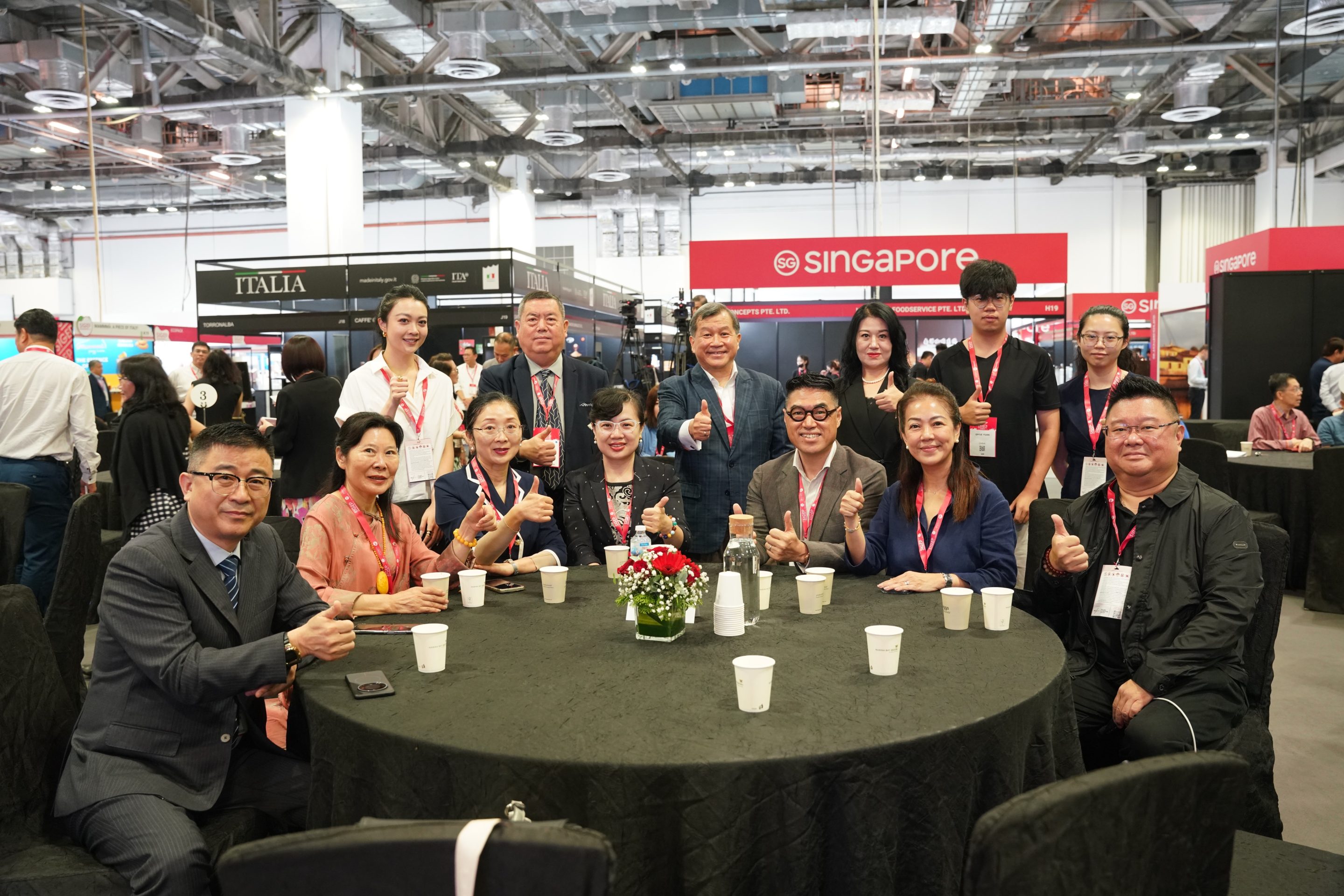
The IFBA Singapore Hotel Visit Programme 2025, designed in collaboration with partner hotels, offered delegates a rare behind-the-scenes look at how leading properties design service, manage workflow and maintain operational excellence—through real environments, real teams and real operational rhythm.
As part of IFBA’s commitment to advancing hospitality excellence through real-world learning, the programme provided rare access to the teams, spaces and systems that define Singapore’s service culture.
This journey transformed industry discussion into direct observation across a diverse set of hotel models and service philosophies, creating a clearer view of the developments shaping regional hospitality.
>> Read the full highlights from SIGEP Asia & Restaurant Asia 2025 and the IFBA International Forum and Asia-Pacific & China Forum 2025
Setting the Stage for Operational Discovery
Hosted alongside IFBA’s international forums, networking activities and cross-cultural exchanges, that brought together partners and delegates from across Asia, China, Europe and the Middle East. The week created space for collaboration across cultures and markets, sharpening collective understanding of how the hospitality sector continues to evolve.
The hotel immersion series formed a focused component—adding operational depth to the broader discussions and perspectives shared throughout the week, and offering delegates a close-up view of how leading hotels shape guest experience, coordinate their teams and maintain service excellence. It created an opportunity to reconnect in person, strengthen existing partnerships and build new bridges across hospitality, tourism and cultural sectors.
Learning Through Shared Knowledge
The immersion track was built on the understanding that the most meaningful learning happens through direct exposure. By engaging with hotel teams, observing how spaces influence service and discussing the decisions behind daily workflow, delegates were able to compare approaches, broaden perspective and deepen understanding of hospitality models across Singapore.
Over four days, the IFBA community explored a diverse set of hotel models and service philosophies. Each property shared its own story of how Singapore’s hospitality sector continues to innovate, evolve and define regional standards— from public-space operations and cultural frameworks to back-of-house logistics and MICE coordination. The visits created a space for delegates to compare approaches, engage directly with management teams and understand how different operational rhythms influence guest experience.
Each visit followed a structured learning approach shaped around five elements that define hotel operations:
- service philosophy and team coordination
- guest-flow management and the use of space
- cultural and experiential frameworks shaping the hotel identity
- back-of-house systems and operational logistics
- sustainability practices integrated into daily operations
- event and MICE operations, including planning flow, turnaround processes, and inter-department coordination
These elements provided a common lens for understanding how different hotels build their service rhythm and operational structure. Delegates had the opportunity to speak directly with management teams, compare approaches and understand how each property aligns its design, people and processes—strengthening shared knowledge across markets
With this shared foundation, the delegation began its series of behind-the-scenes visits across five distinctive hotels — each contributing a unique perspective on how Singapore continues to define hospitality standards.
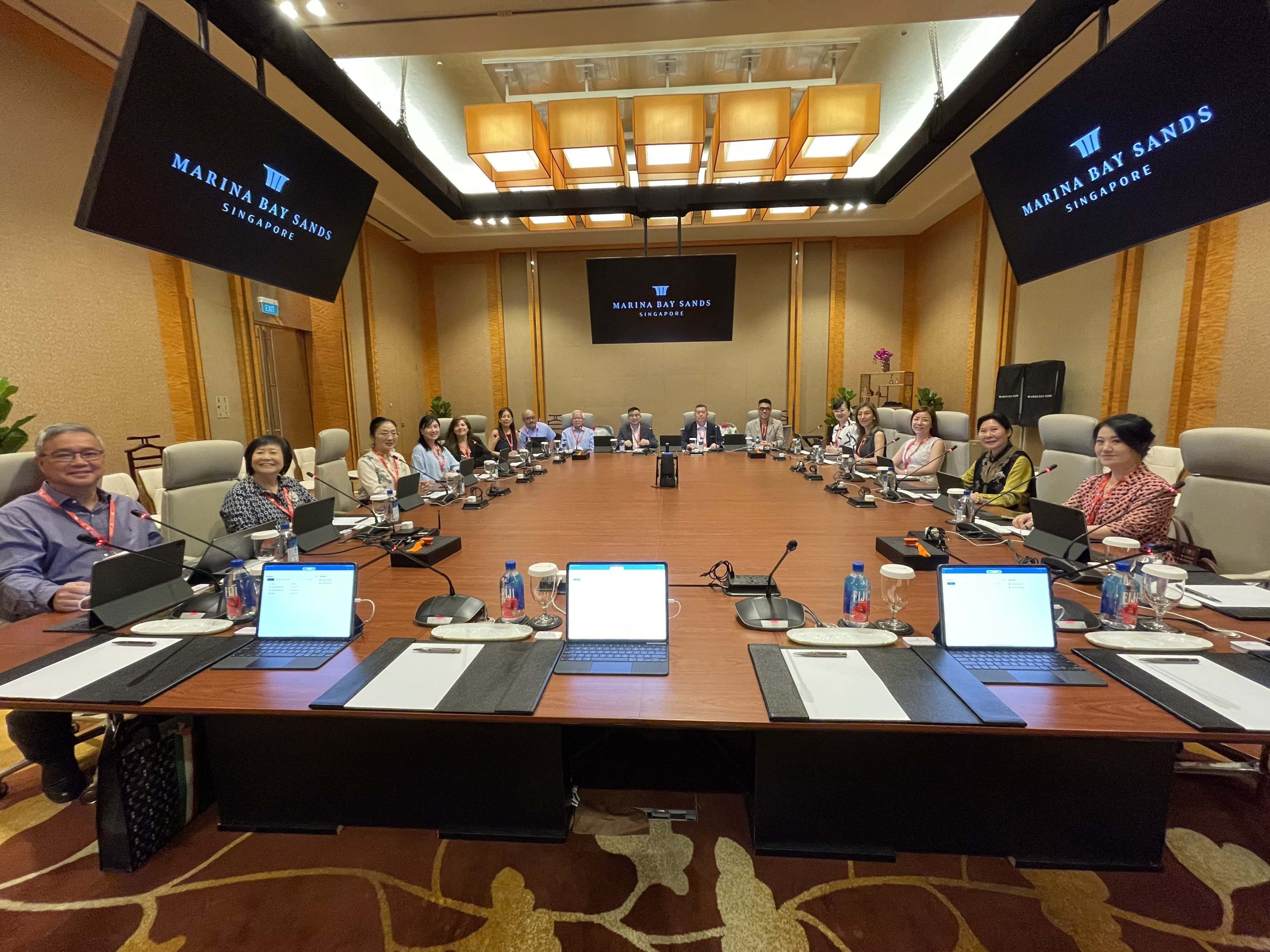
Marina Bay Sands — A Global Icon of Operational Mastery
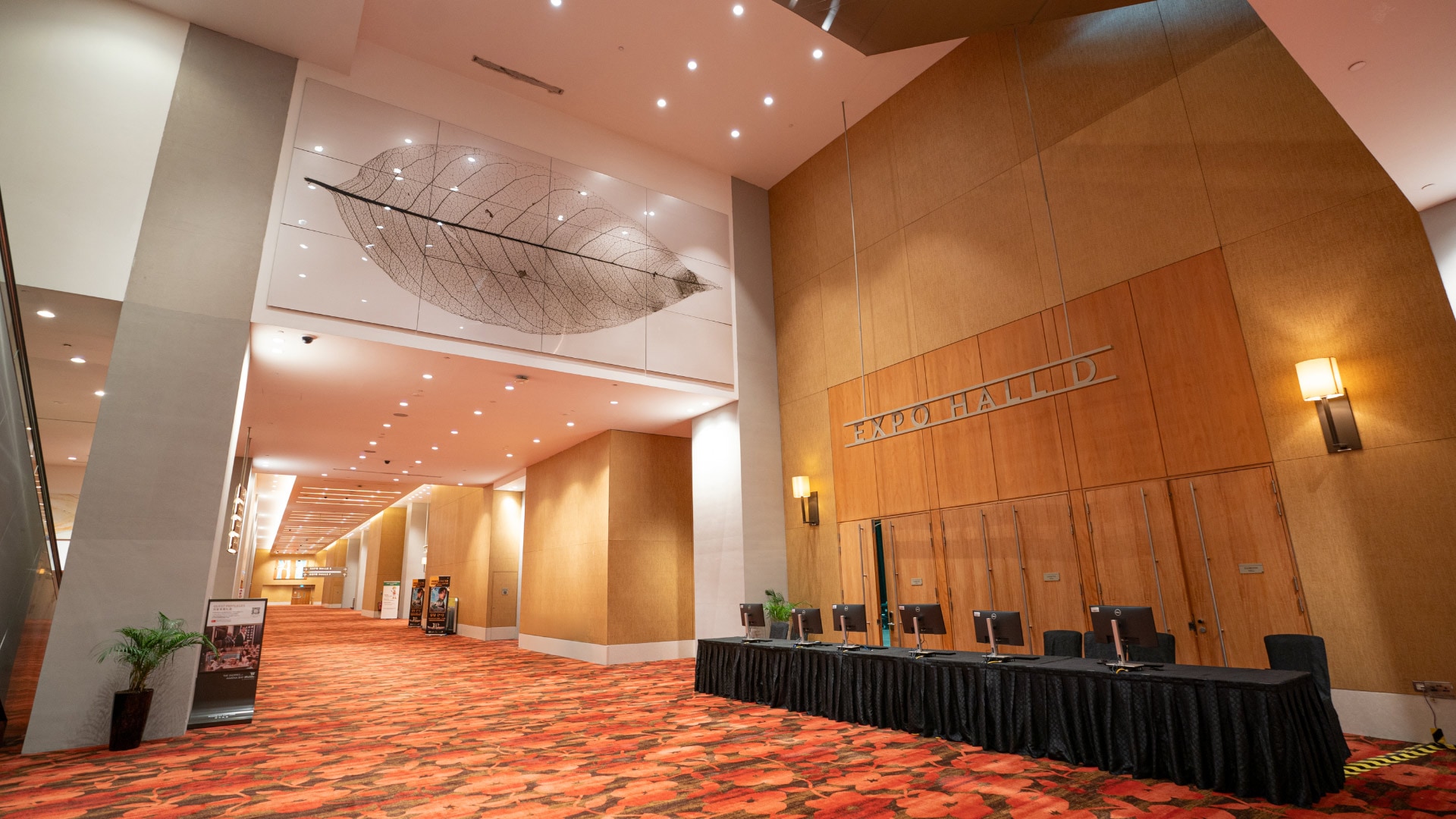
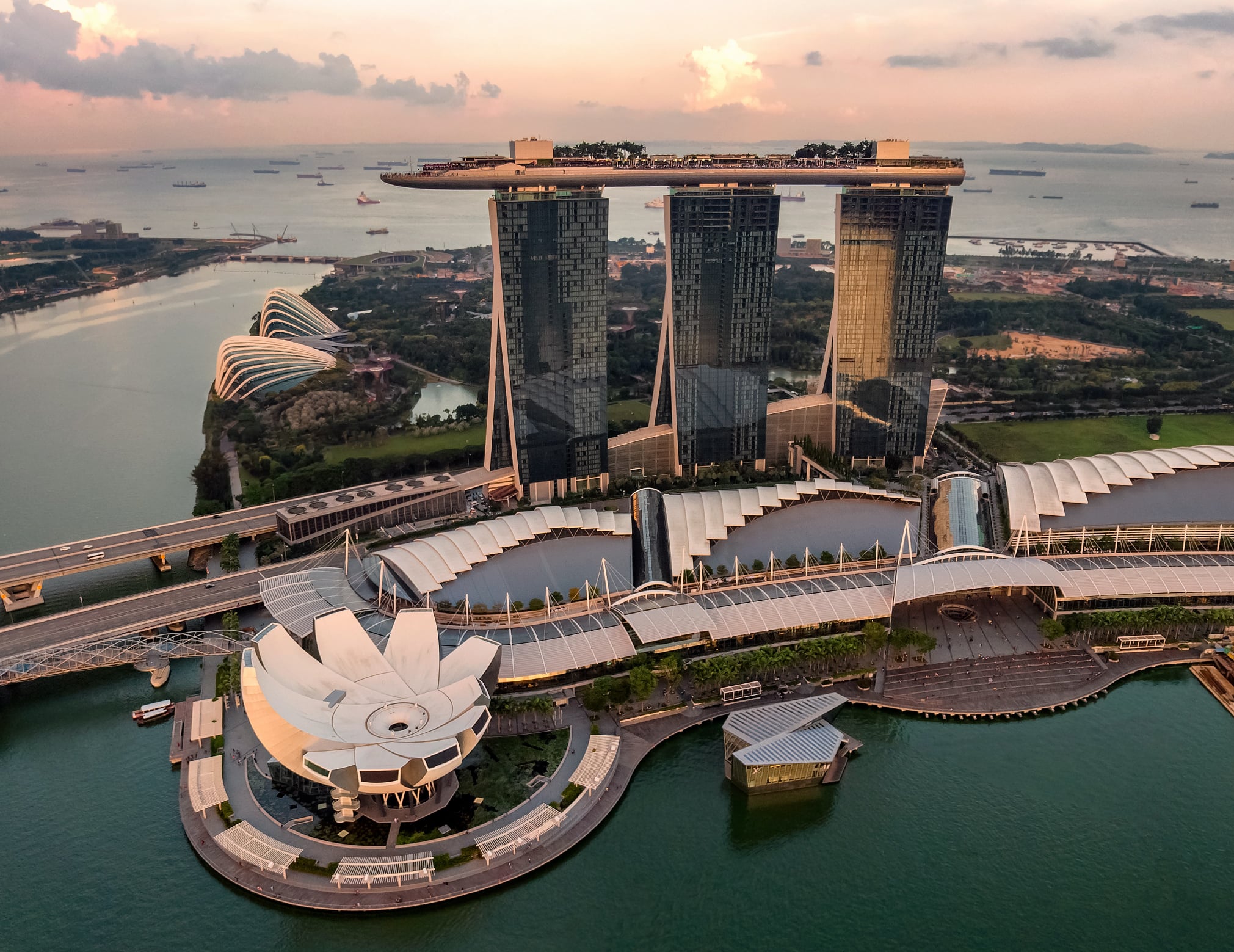
Marina Bay Sands stands as one of the world’s most recognisable integrated resorts, home to Southeast Asia’s largest convention centre and an architectural symbol synonymous with Singapore’s global identity. With more than 120,000 square metres of event space, the Sands Expo and Convention Centre has the capacity to host up to 45,000 delegates, supported by one of the most extensive back-of-house infrastructures in the region.
As part of IFBA’s behind-the-scenes learning programme, delegates had the rare opportunity to observe the operational engine that powers this scale—offering a unique window into how a property of this magnitude maintains precision, consistency and rhythm across thousands of touchpoints each day.
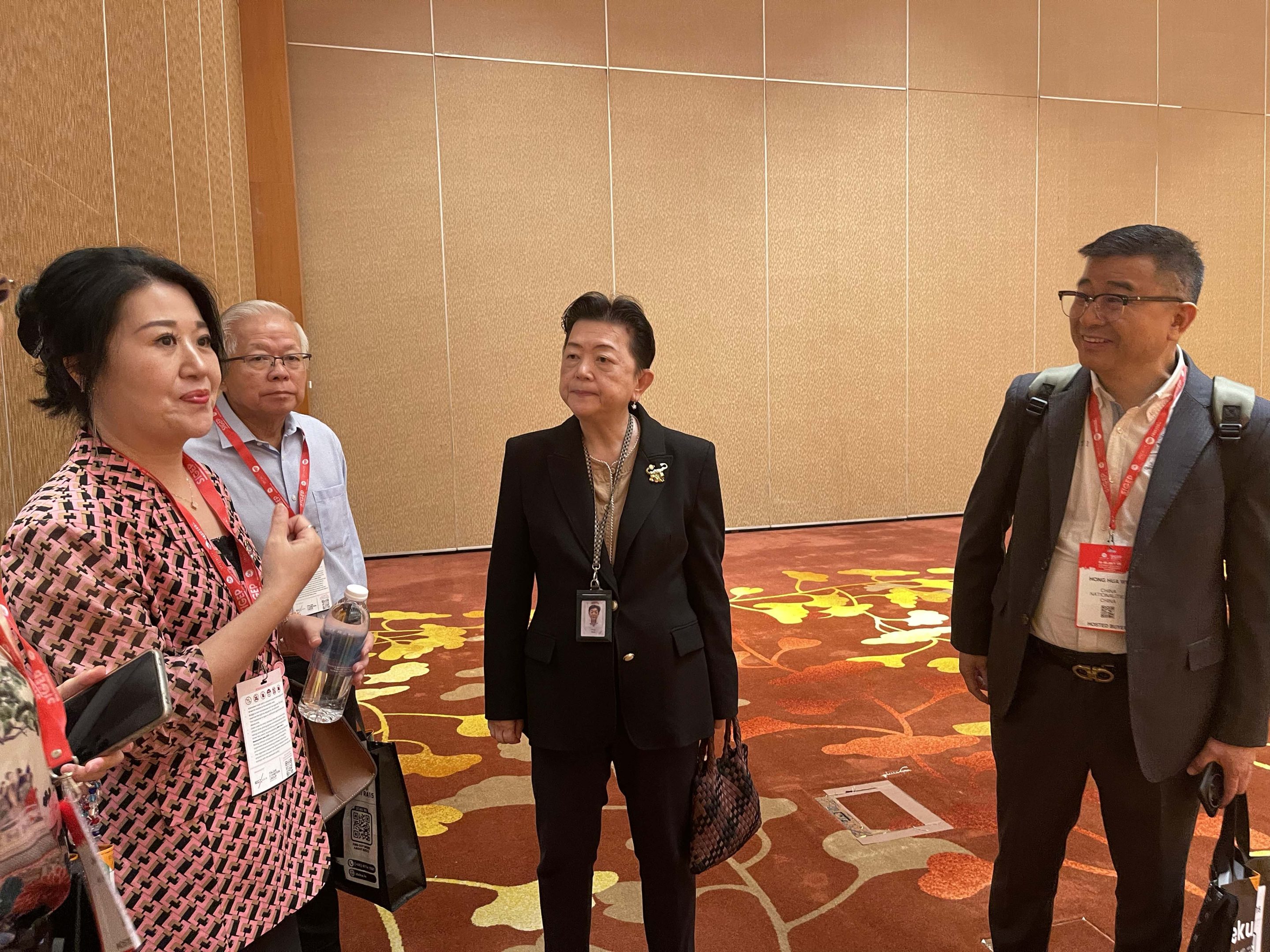
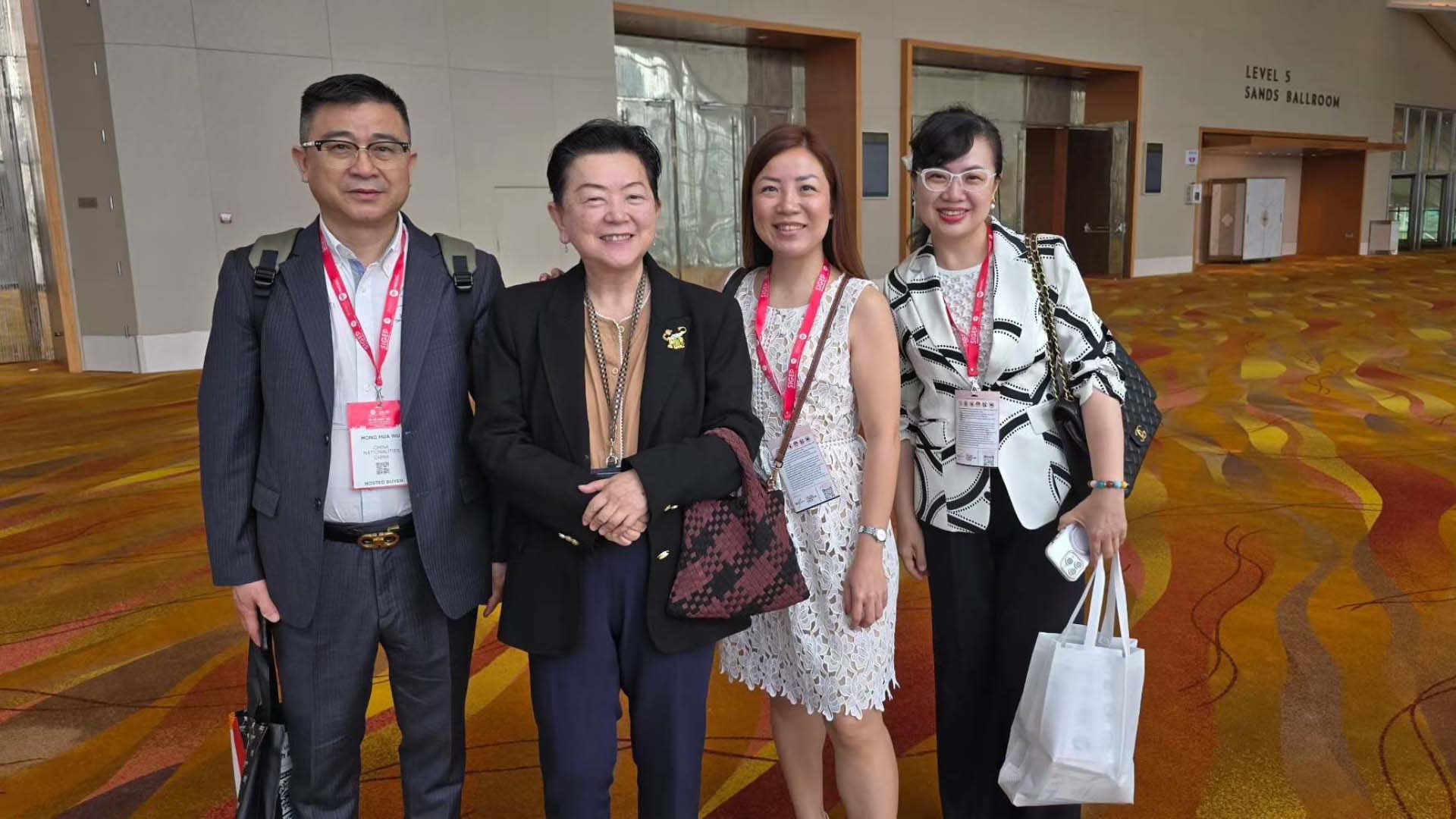
The visit was hosted by Mrs Shirley Chang, Director of Banquet Operations, who guided delegates through the operational backbone of the centre and provided context during the walkthrough. She explained how scale can operate without compromising consistency, and how technology allows the property to manage enormous daily movement across rooms, retail, events and F&B — offering a clearer understanding of the coordination required to support Marina Bay Sands’ event ecosystem.
“Large-scale events run smoothly when every department understands the sequence of service and timing. Precision is a system, not an accident. Our service flows are designed so that hundreds of people can act independently but still stay aligned. When teams know their exact role in each moment of an event, the experience remains consistent no matter how large the group is.”
— Shirley Chang, Marina Bay Sands
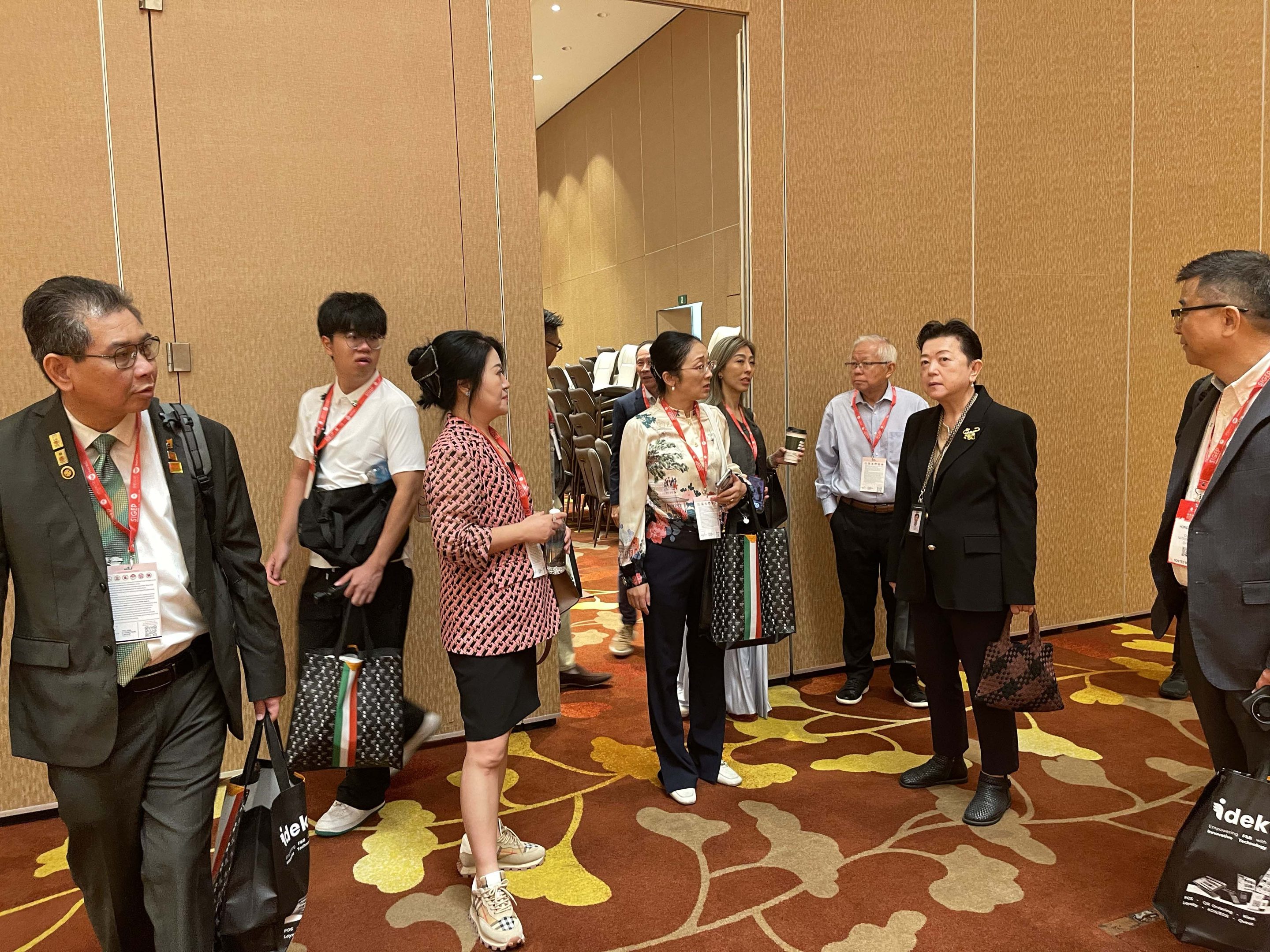
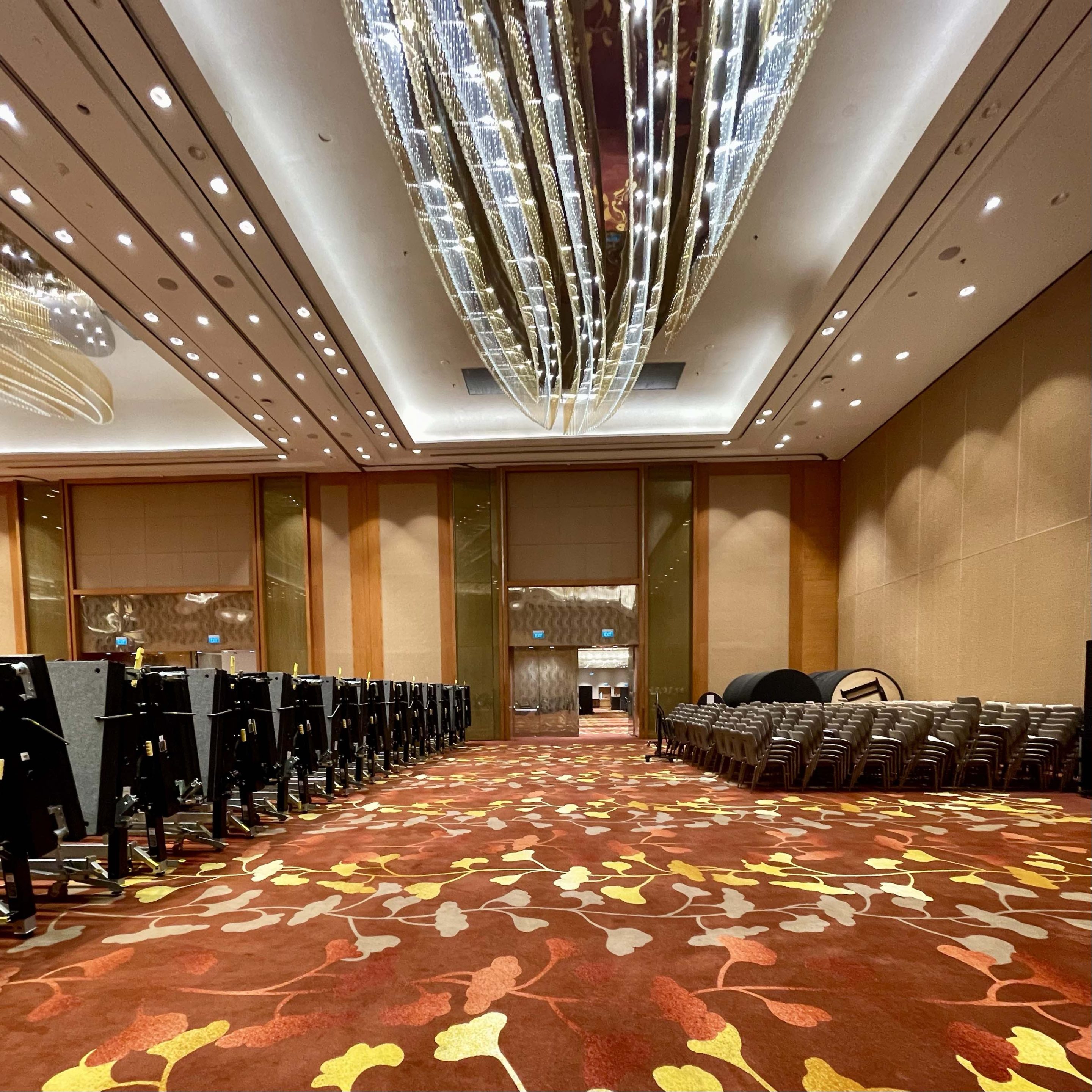
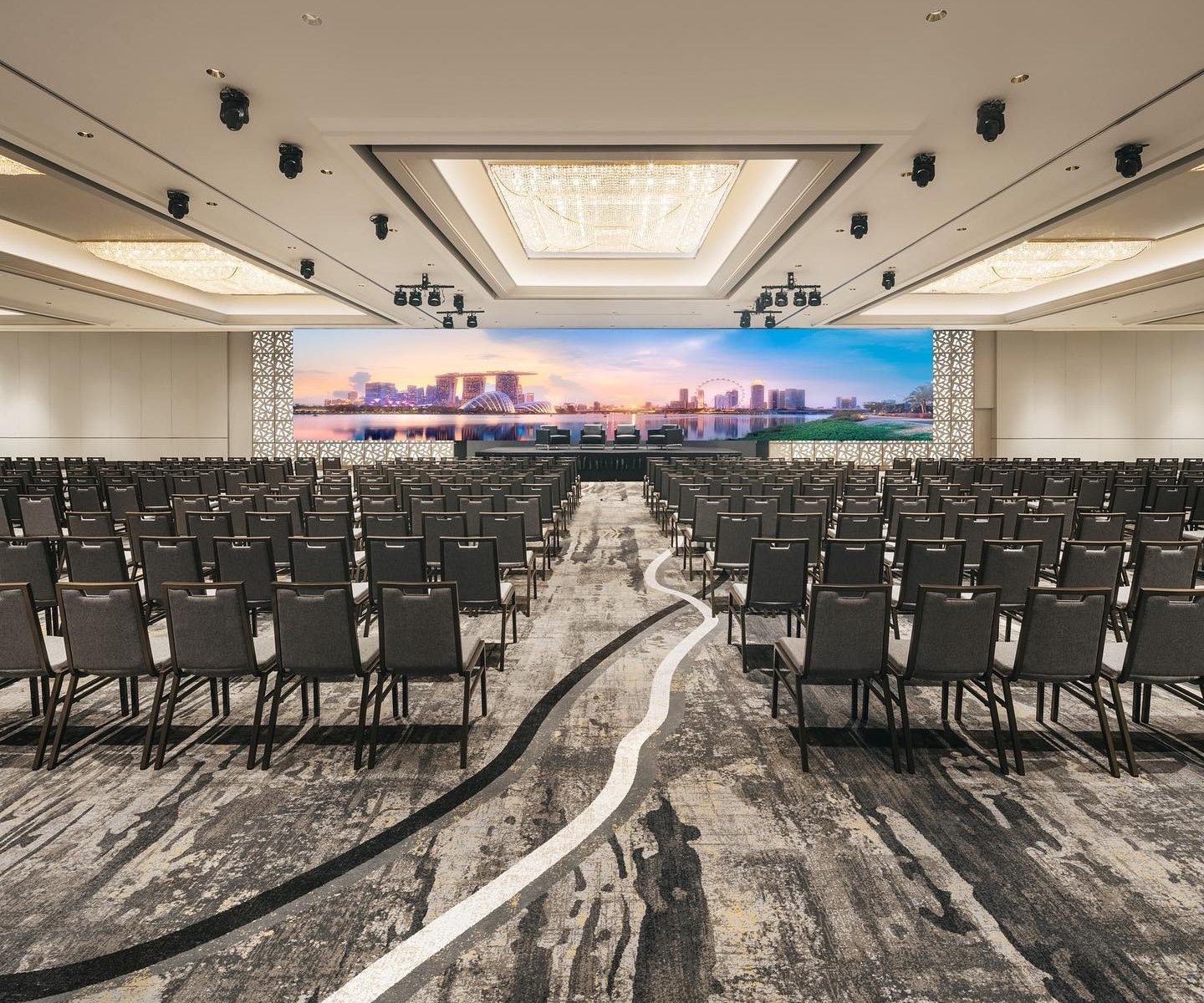
Delegates gained insights into guest-flow engineering, service corridors, event-support areas and the operational mindset behind the property’s capacity to execute multiple large events simultaneously. Shirley highlighted the operational dynamics of the Sands Grand Ballroom — the largest in Southeast Asia at 7,672 square metres, capable of holding 11,000 guests theatre-style or 6,000 for banquets. She explained how the team can divide the ballroom into 16 configurable spaces, allowing for rapid transformation between event types and setups.
“Our goal is not only to handle volume,” Shirley explained,
“but to ensure quality and experience scale with it. Whether we are hosting 200 or 20,000, the guest should feel the same clarity, care and confidence from our team.”
She also spoke about the centre’s sustainability-driven workflow, which has become a defining characteristic of the venue. As Asia Pacific’s first LEED Platinum-certified meetings facility and an early adopter of ISO 20121 sustainable event standards, Marina Bay Sands operates one of the region’s most advanced environmentally responsible event ecosystems. Shirley noted that the venue’s carbon-neutral MICE programme allows organisers to host events with fully offset emissions, supported by an internal advisory service.
In addition to sustainability, Shirley detailed the evolution of event technology. The Sands Expo’s Hybrid Broadcast Studios were designed to support broadcast-quality livestreaming, hybrid events, 3D stage environments and even holographic presentations — a response to the shifting expectations of international clients and the blended nature of modern conferences.
Fun Insight
Behind the scenes, Marina Bay Sands employs one of the region’s largest housekeeping teams, supported by automated systems for linen movement and inventory tracking. This operational backbone enables the property to transform even its largest event spaces at remarkable speed — including full ballroom changes completed in under an hour — while also supporting more than 250 configurable meeting spaces across the Sands Expo and Convention Centre; reflecting a scale and coordination that few venues in Asia can match.
MBS incorporates “Harvest Menus” sourced from its own hydroponic herb gardens, and designs event décor from upcycled PET bottles, repurposed wood and other recycled materials — distinctive touches that reflect its commitment to creative, low-impact event design.
Artyzen Singapore — Design, Culture and Lifestyle Hospitality
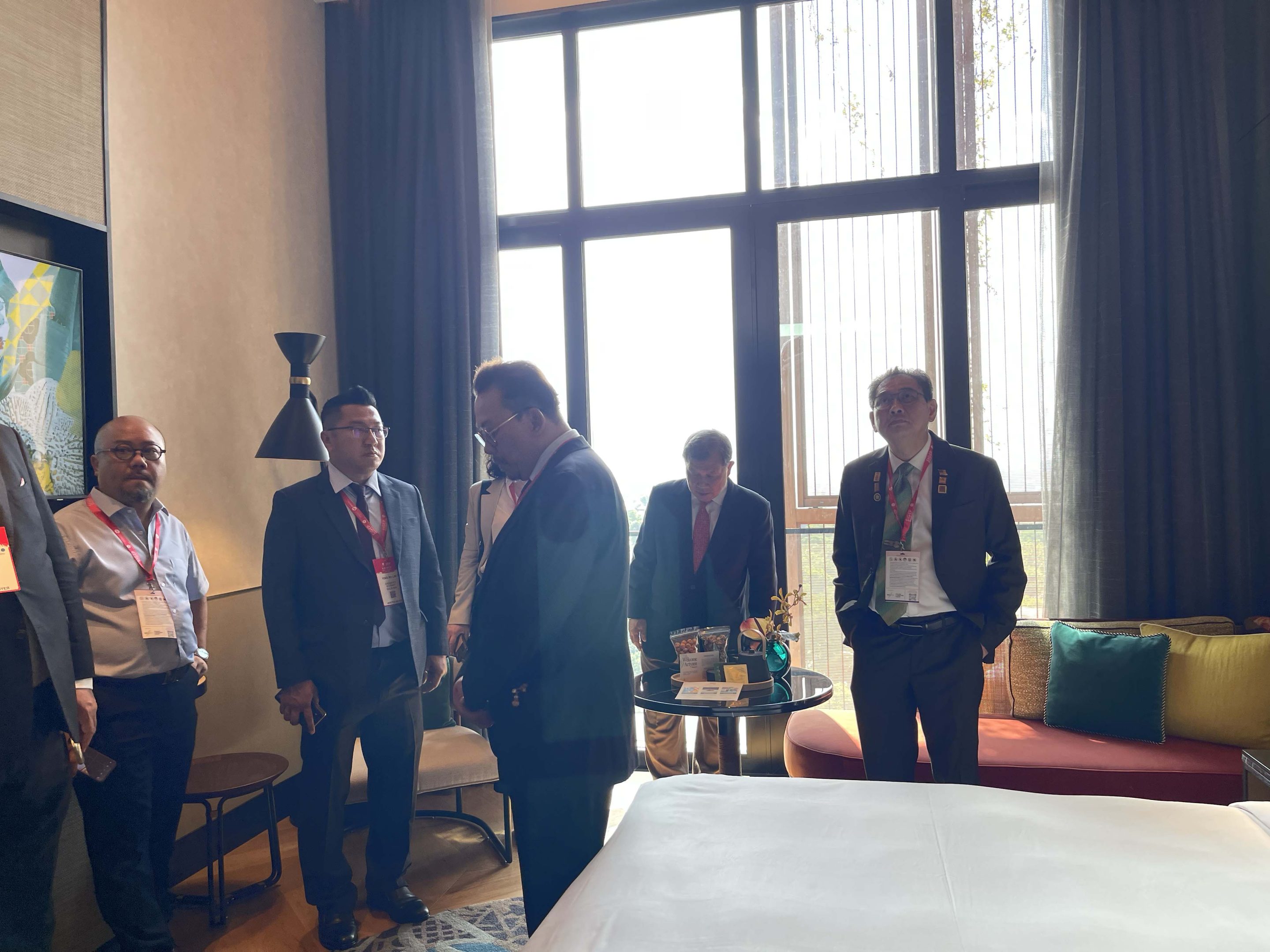
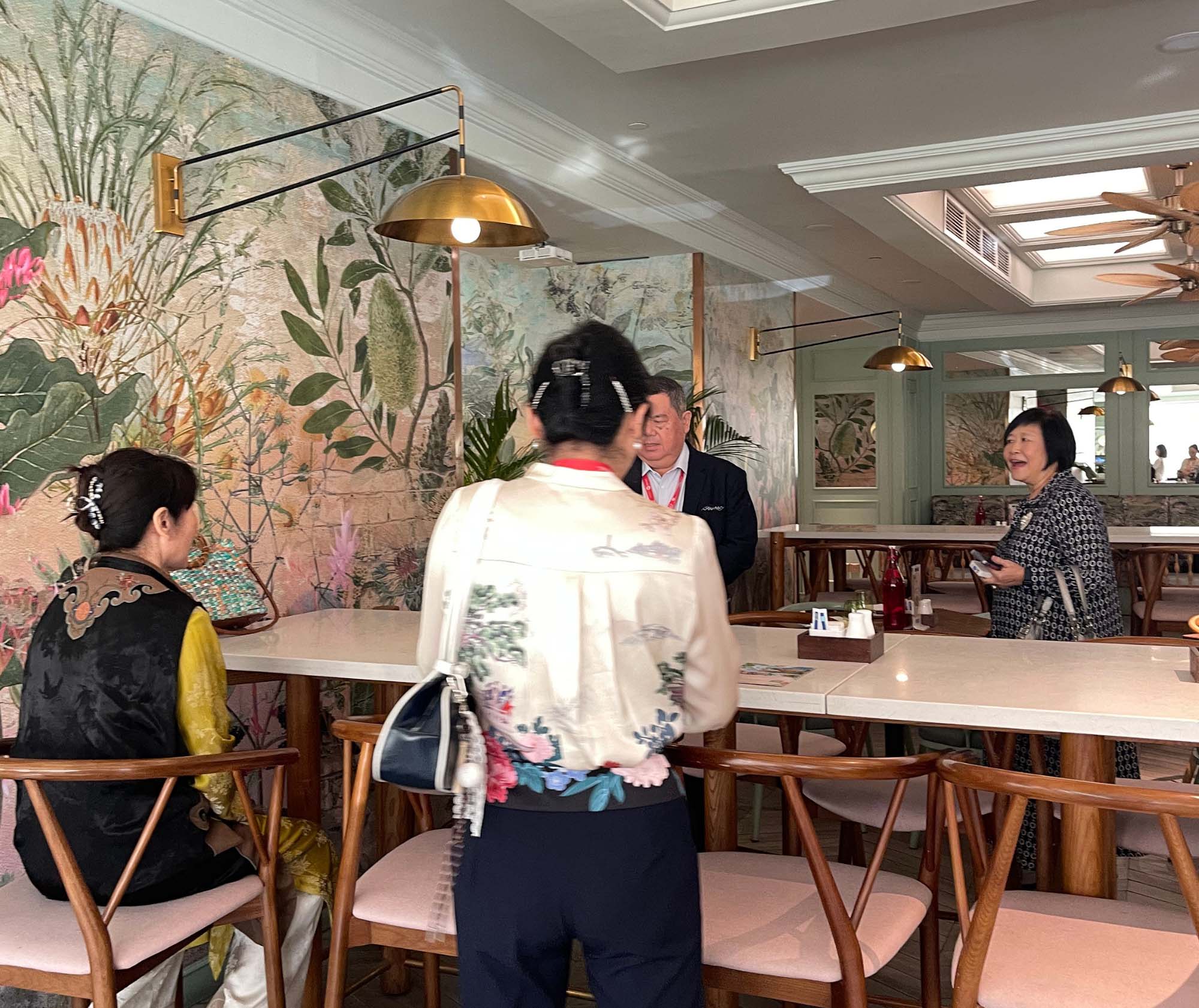
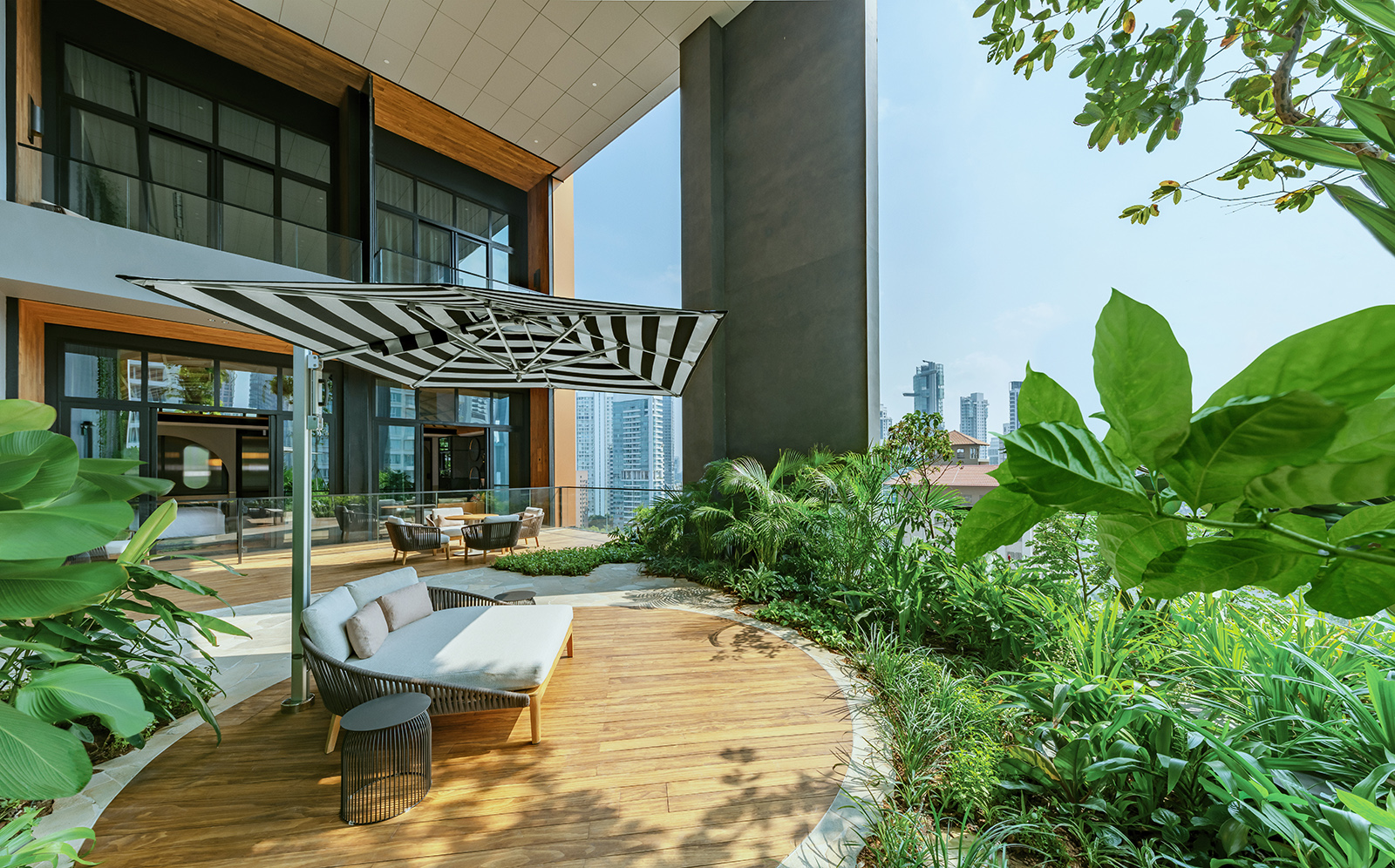
Artyzen Singapore offered the IFBA delegation a look into a modern lifestyle-luxury model rooted in cultural narrative, design and personalised service. Rather than following traditional luxury conventions, the property blends craftsmanship, local influences and contemporary aesthetics to create a guest experience built on intention and atmosphere.
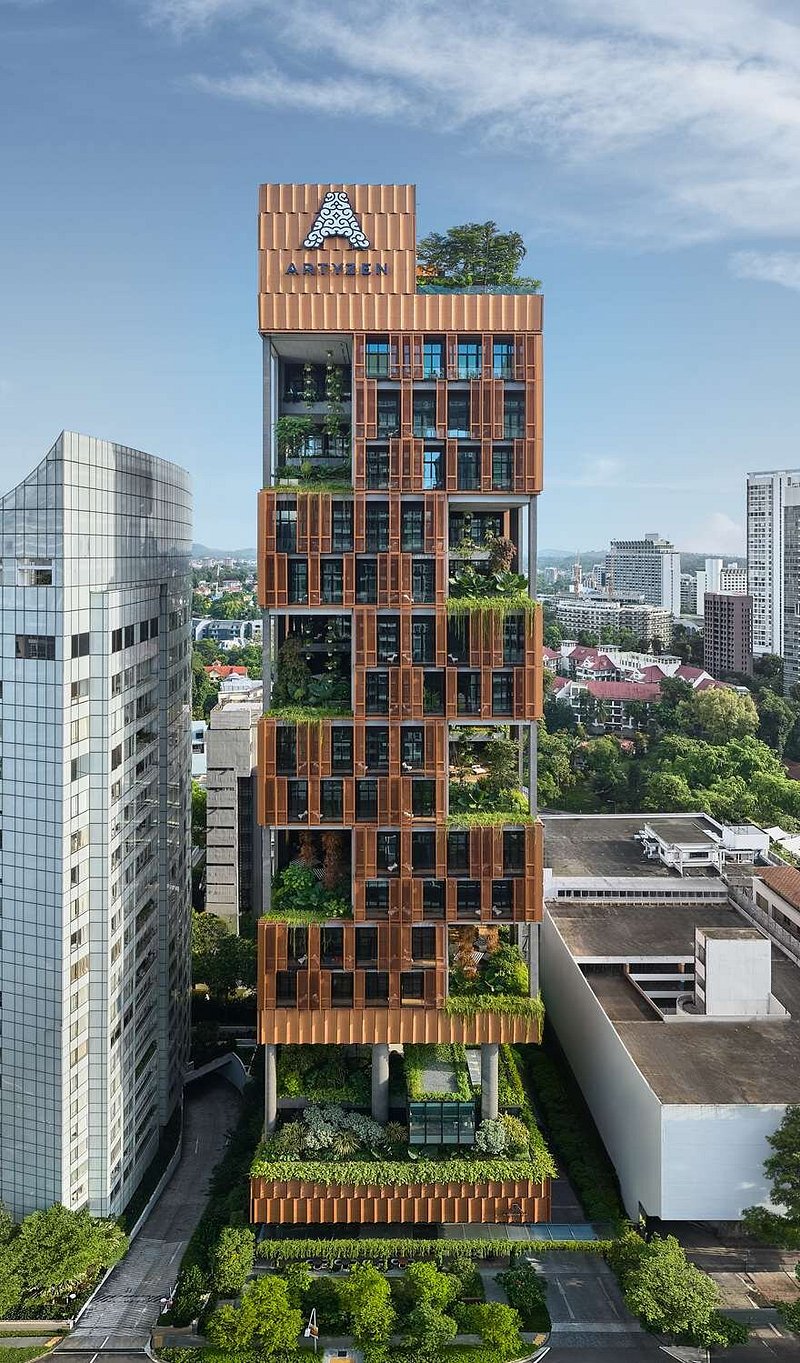
Opened in late 2023 and inspired by its origins as the former “Villa Marie” garden mansion, the hotel is conceived as a vertical oasis—layering tropical greenery, heritage references, arches, verandas and open-air spaces throughout its architecture. With just 142 rooms and suites, each featuring private balconies and high ceilings, the property creates a deeply personal sense of immersion that stands in contrast to traditional large-scale luxury.
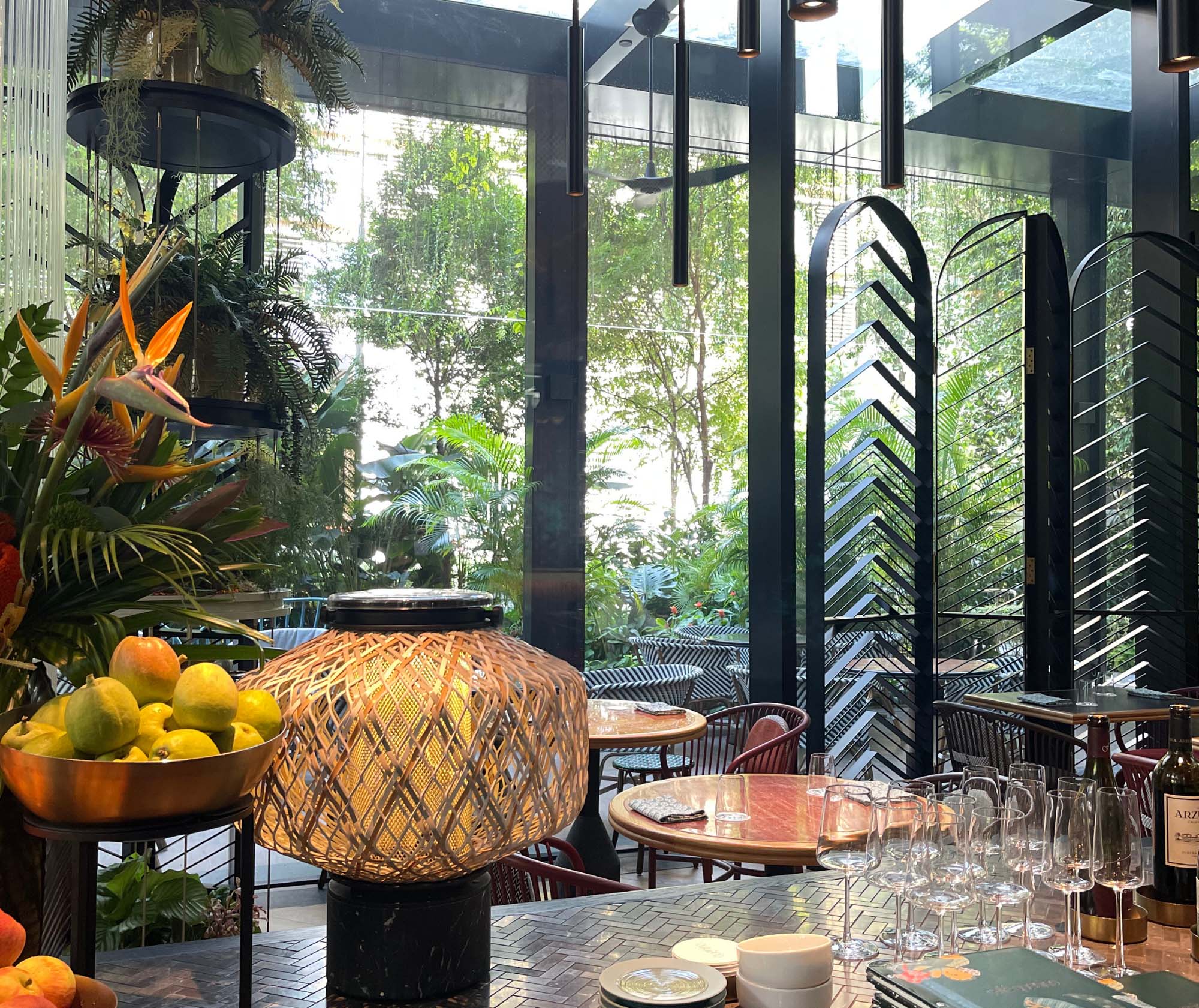
Set within Singapore’s layered urban heritage, Artyzen translates its cultural narrative into a lived experience that shapes both guest behaviour and operational flow. Its spaces are designed to encourage immersion rather than formality, inviting guests to move naturally through courtyards, landscaped terraces and open social areas, creating a fluid rhythm that differs from traditional luxury environments. This movement influences how teams organise service: staff observe how guests use the space, adjust interactions based on the tone of each setting, and use the hotel’s design details as natural points of connection. The result is an approach that requires flexibility, situational awareness and an ability to let culture guide the style of each interaction.
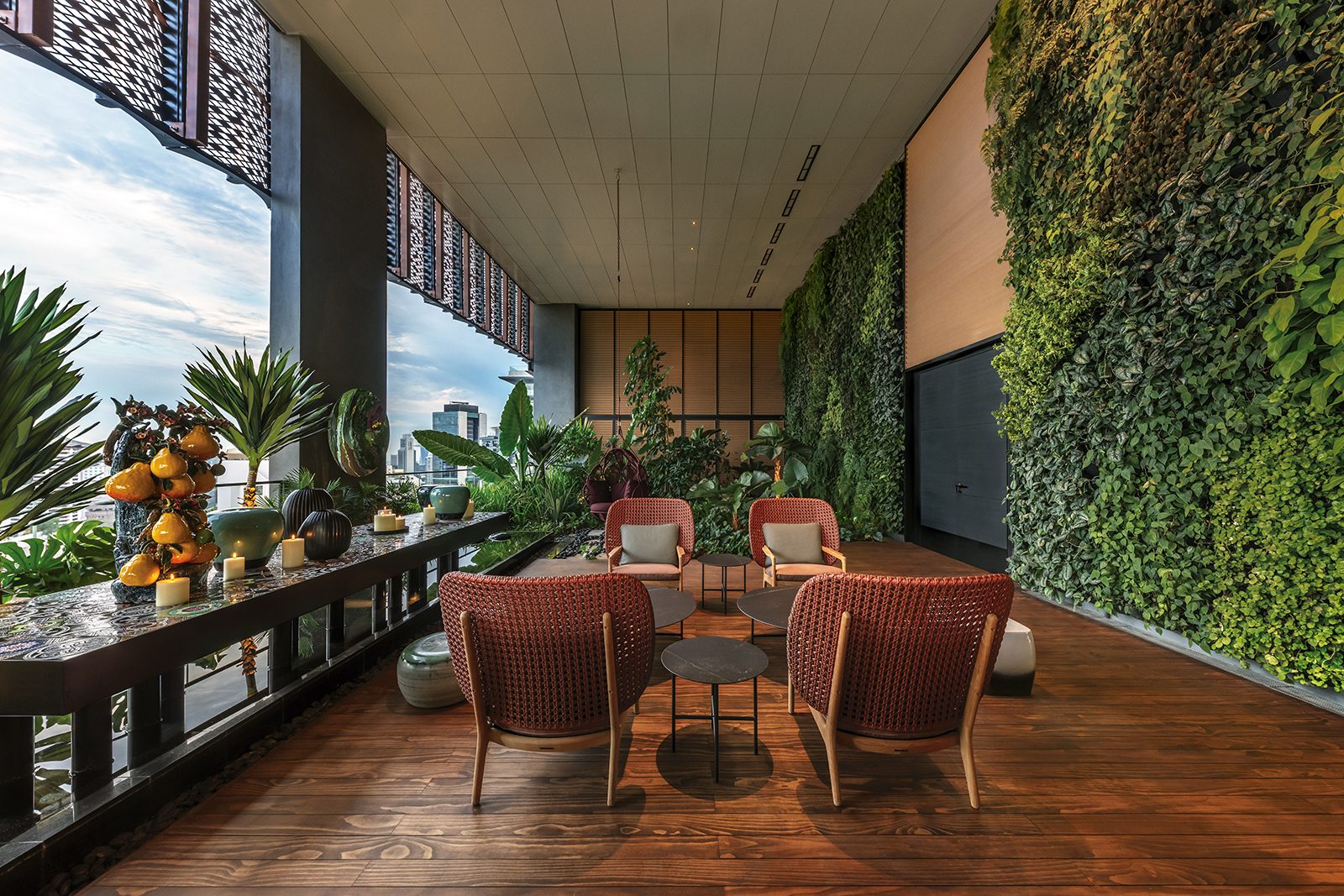
The visit was hosted by Artyzen Host, who shared how Artyzen’s service philosophy is shaped by its cultural identity and spatial design.
Delegates toured several guest rooms and suites, terraces, and public areas, observing how the hotel’s curated experience model and spaces influence guest movement and service rhythm. The walkthrough also included key F&B outlets, where the team highlighted how design and cultural references shape the atmosphere and guest interaction. The visit reinforced the growing trend toward intimate and immersive luxury, where comfort, culture and design align to create a seamless, deeply personal experience—highlighting the operational adjustments required to support this evolving category.
The tour continued to the wellness level on the fifth floor, featuring a gym framed by 15-metre-high ceilings, private spa rooms, yoga pavilions and a design approach that emphasises natural ventilation and passive cooling. The cantilevered half-Olympic infinity pool—one of the property’s most striking features—demonstrated how Artyzen blends architecture with guest experience, using water, elevation and greenery to craft a calm, contemporary retreat above the city.
“Lifestyle luxury is about meaning, not formality. Guests today expect authenticity. The service experience must feel intentional, and every touchpoint should feel thoughtful and curated. Our aim is to translate culture into service in a way that feels natural and genuine.”
— Artyzen Host
Fun Insight:
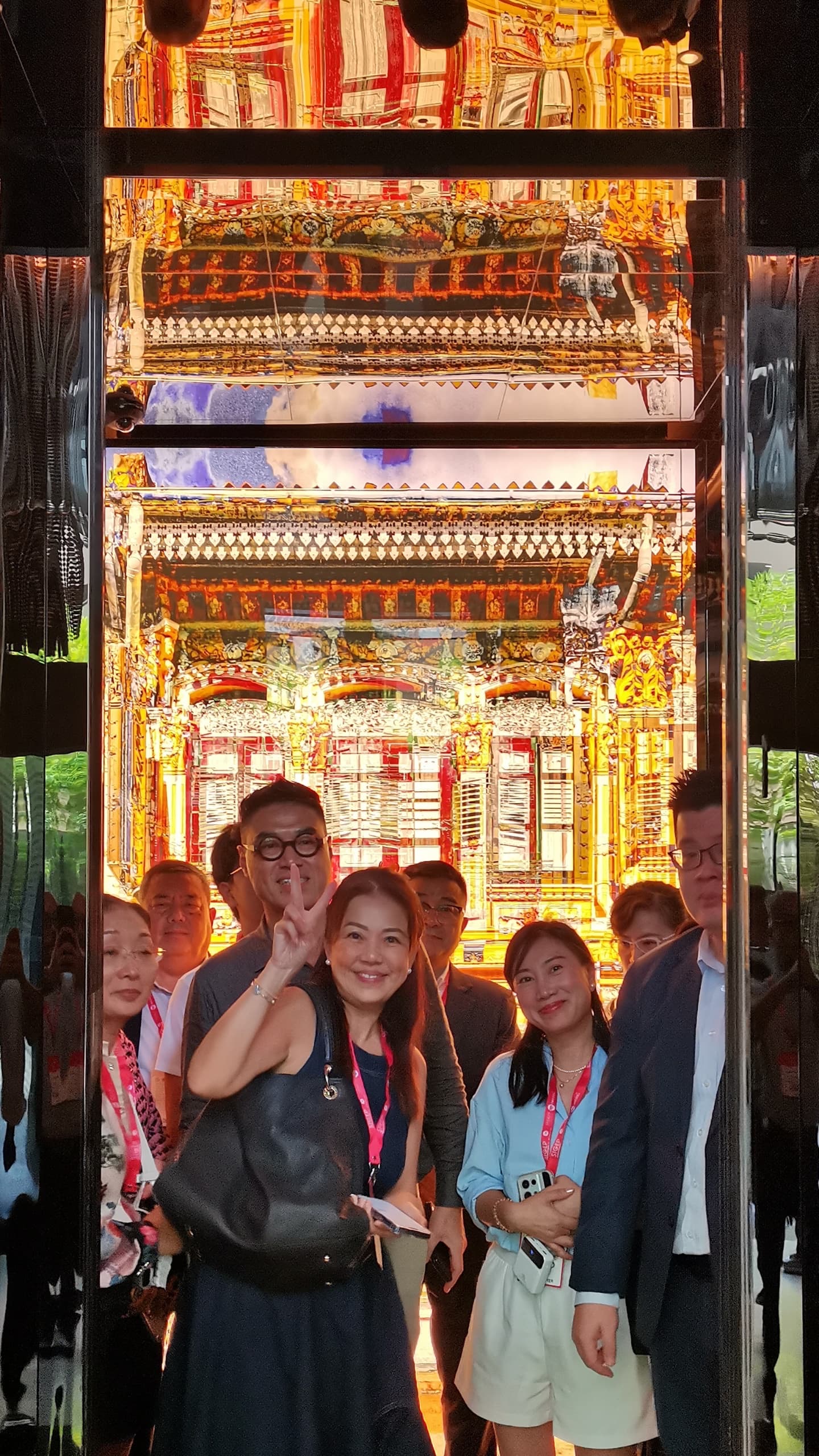
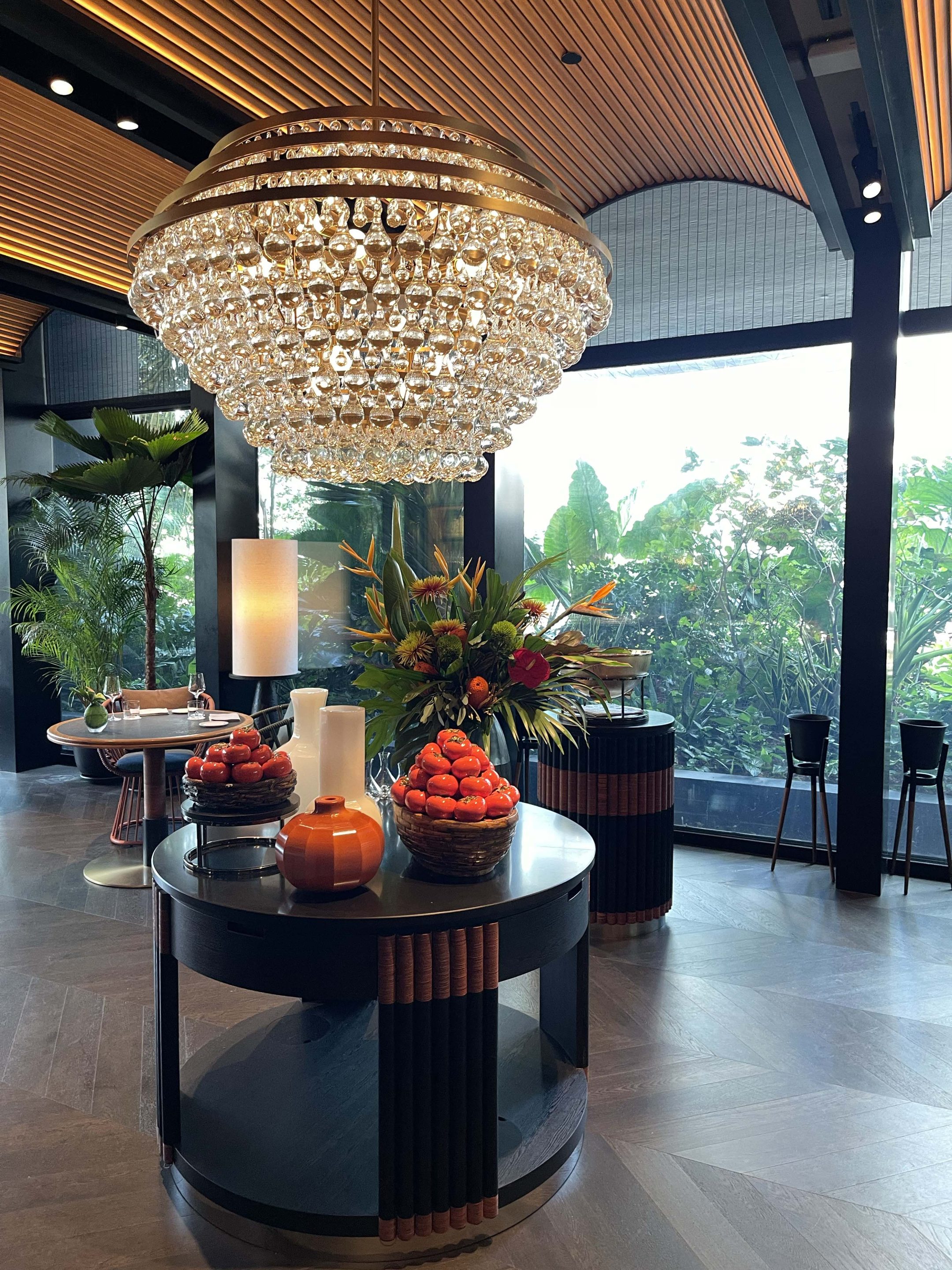
Artyzen’s aesthetic is grounded in East–West artistic influences, featuring eclectic details that reinterpret Singapore’s cultural heritage — from botanical digital art and Peranakan-inspired motifs to vibrant custom furnishings. One of its most distinctive touches appears inside the elevators, where large backlit panels of historic shophouses create a whimsical journey between floors.
The property was recently awarded One MICHELIN Key, and Best New Property at the Condé Nast Johansens Awards for Excellence 2025, placing it among Singapore’s leading lifestyle-luxury hotels. It is also home to Quenino, a MICHELIN-selected restaurant known for Southeast Asian tasting menus that integrate heritage, craft and contemporary culinary technique.
Conrad Singapore Marina Bay —Contemporary Luxury with a Sense of Balance
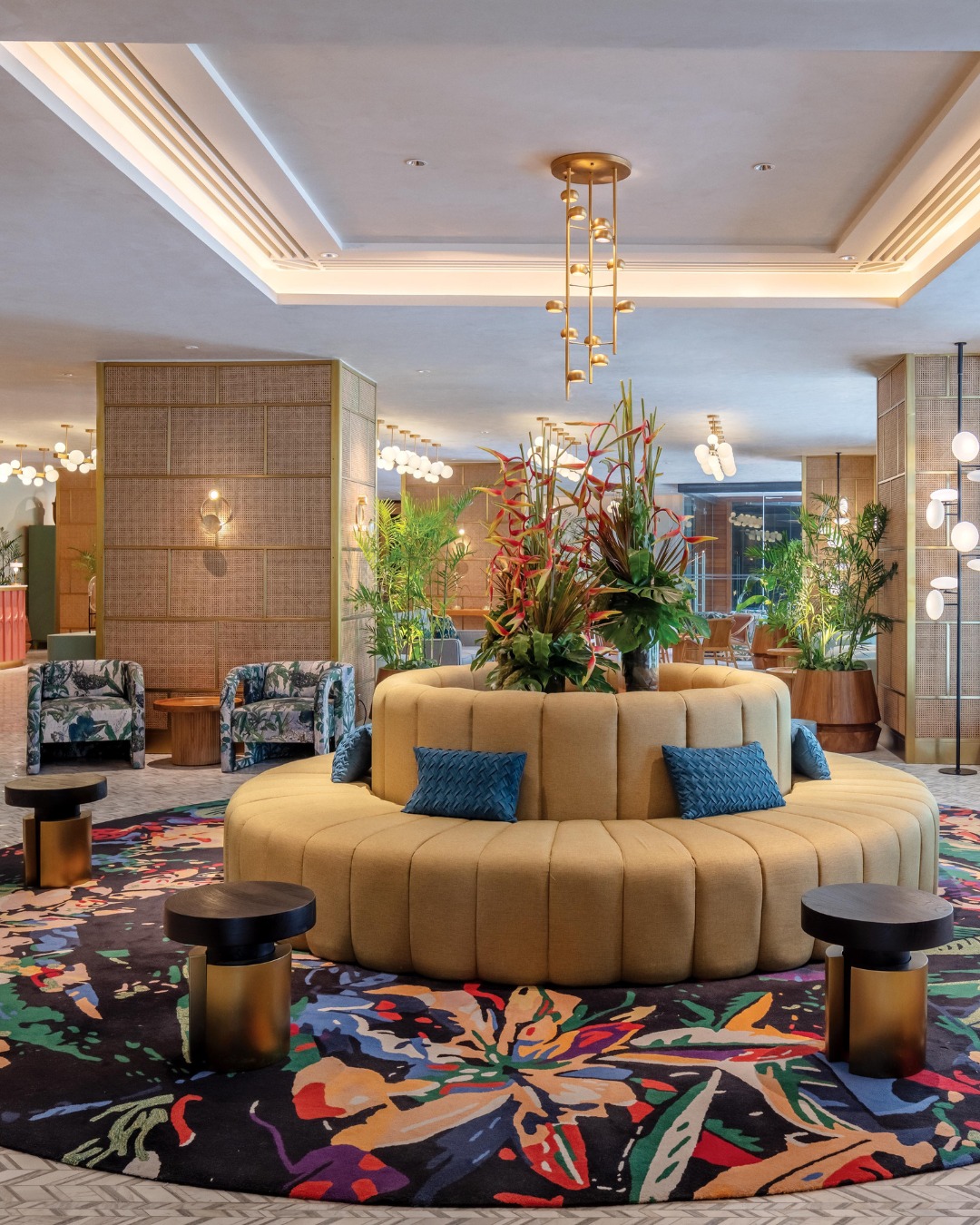
Conrad Singapore Marina Bay offered the IFBA delegation a clear look at how public-space operations, guest movement and service leadership come together to shape the overall experience. Known for its architectural curves, open sightlines and naturally lit atrium, the property has recently refreshed its positioning with added focus on sustainability, wellness and contemporary service principles — all of which influence how teams coordinate across its high-traffic lobby, restaurants and event floors.
As soon as the delegation entered the lobby, the team welcomed them with a signature refreshing drink and hot towels — a simple but well-executed gesture that set the tone for the visit. It demonstrated how the property blends efficiency with warmth, and how small, coordinated actions create a sense of ease and care upon arrival.
This first moment of arrival also highlighted how Conrad uses design and environmental cues to shape guest perception before a single word of service is exchanged.
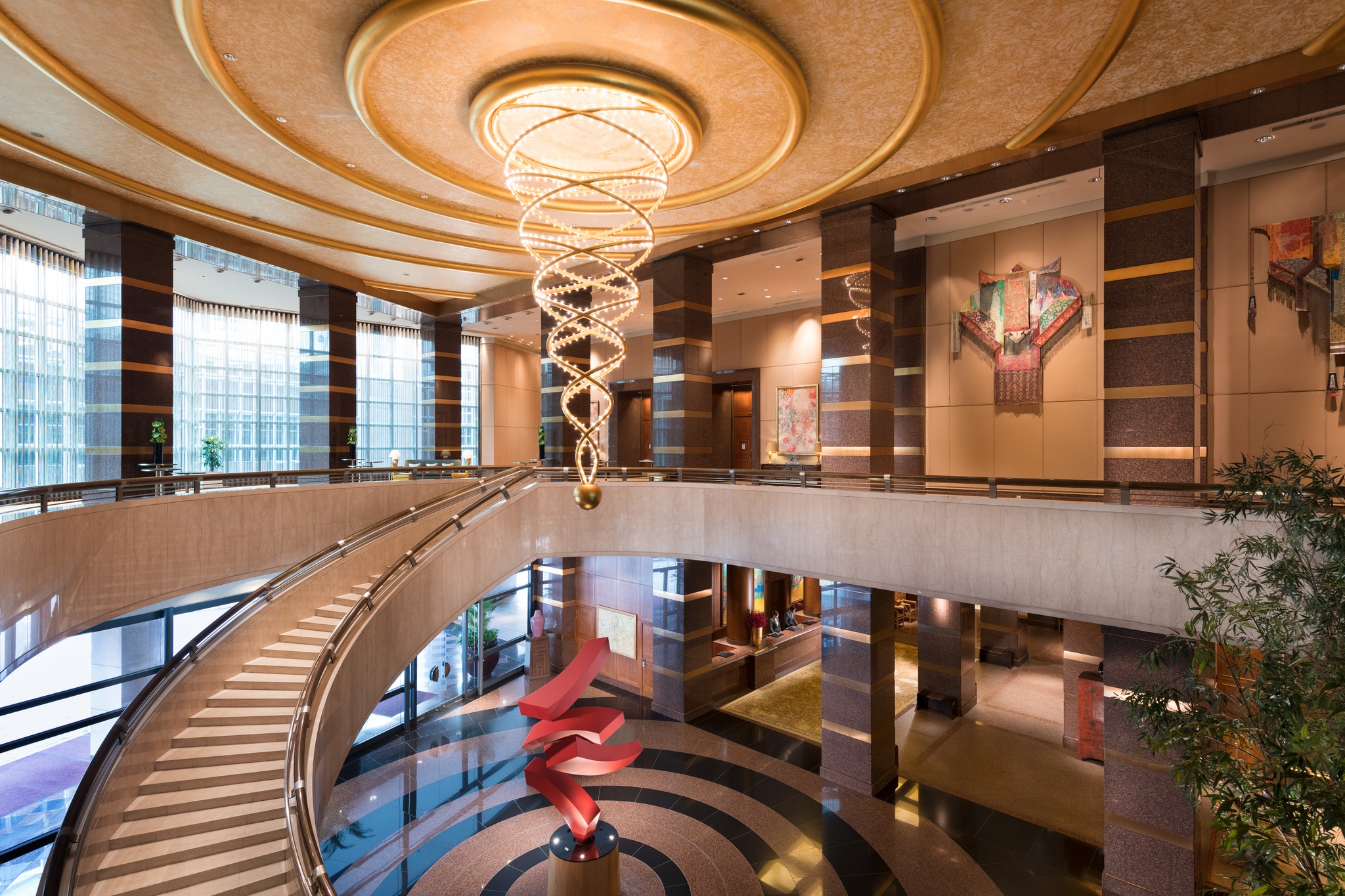
Set across multiple interconnected levels, Conrad’s public spaces are designed to manage guest flow intuitively. Delegates observed how teams use visual awareness, wayfinding cues and cross-department communication to support arrivals, transitions between venues and the movement of event attendees. This approach creates a sense of calm even during busier periods, ensuring that service teams remain aligned and responsive to changing guest needs.
The visit was hosted by Mohamed Fasle Rifaeh, President of Les Clefs d’Or Singapore and Chef Concierge of Conrad Singapore Marina Bay, together with Conrad Host, who shared insights into the hotel’s service philosophy and the coordination required across its public-facing spaces.
Together, they offered practical insight into how the hotel coordinates its lobby flow, concierge services and public-space operations throughout the day.
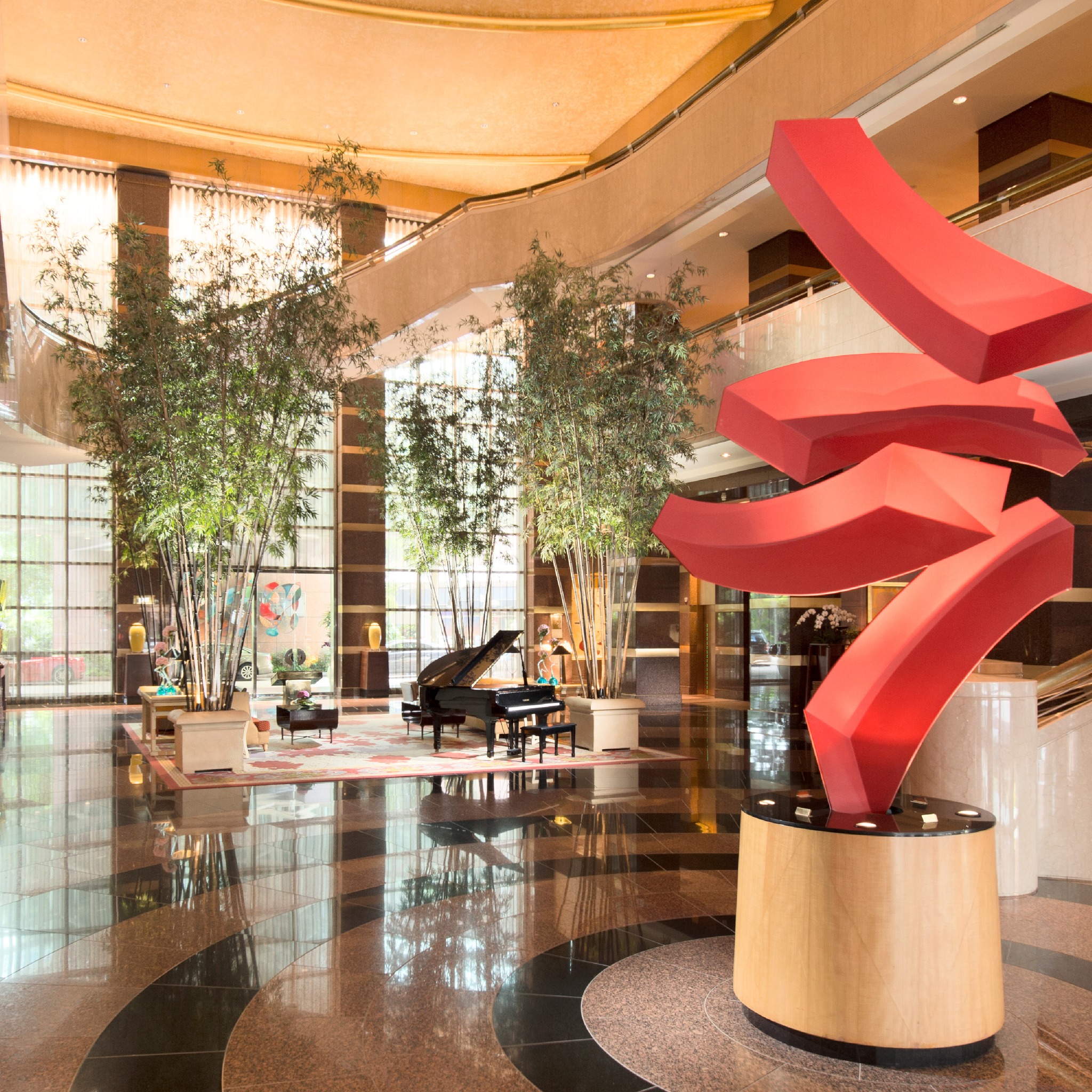
The Conrad Singapore Marina Bay lobby features a Feng Shui–inspired installation that brings the five elements into balance through art and design. The dramatic spiral chandelier represents water, drawing the eye downward in a fluid, illuminated motion. The bold red “Turbulence” sculpture by Rafael Barrios embodies fire, while the glistening gold-plated ceiling reflects the metal element. The warm brown marble flooring grounds the space with earth, and clusters of bamboo trees introduce wood, completing a harmonious composition. Together, these elements create an auspicious arrival experience and showcase the hotel’s commitment to blending contemporary design with local cultural principles.
“The lobby was designed to create balance from the moment you enter. Each element — water, fire, metal, wood and earth — shapes the atmosphere in a subtle way. Guests may not consciously analyse it, but they feel the harmony, and that sets the tone for how they experience the rest of the hotel. The design guides the guest journey without ever needing to announce itself.”
— Conrad Host
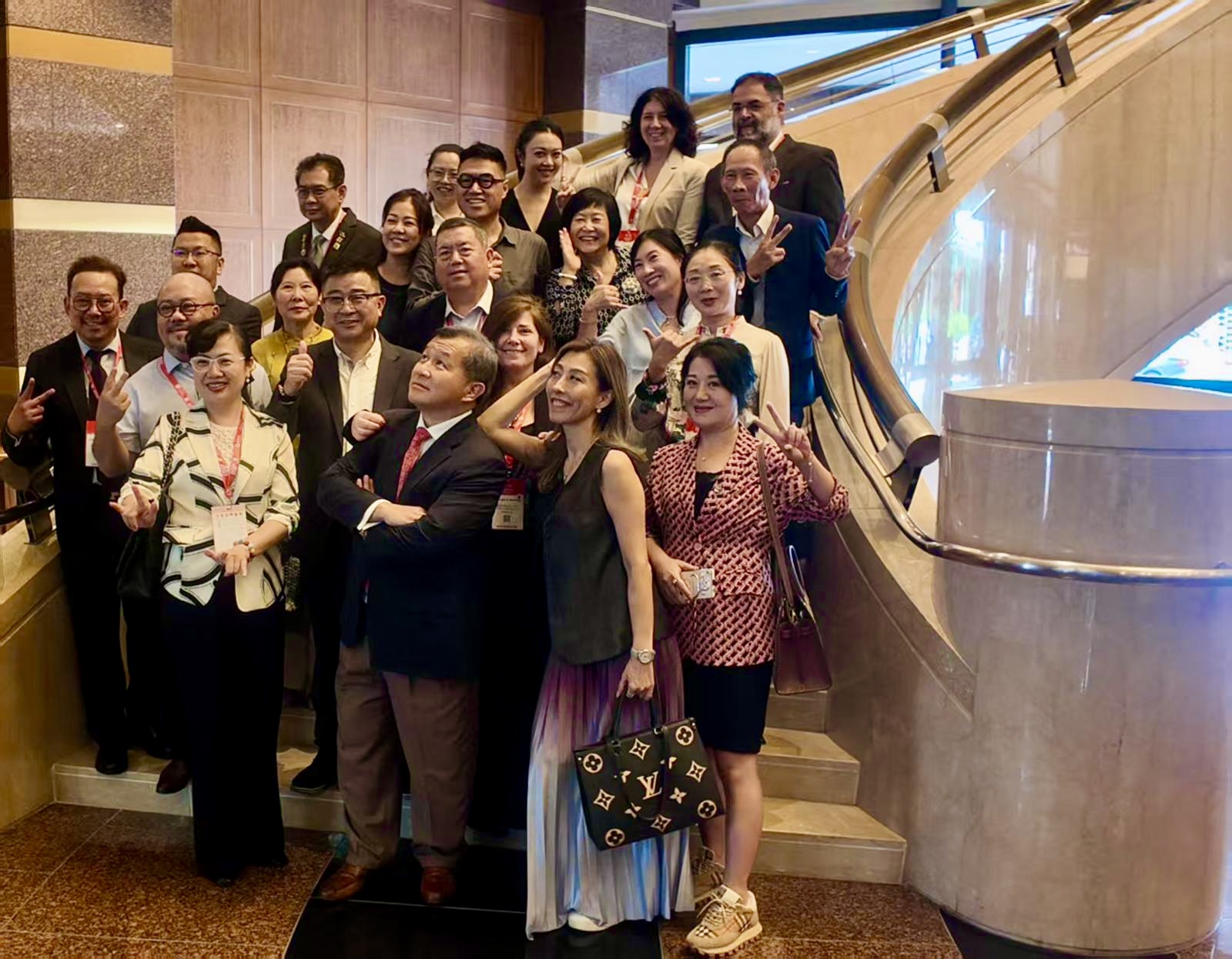
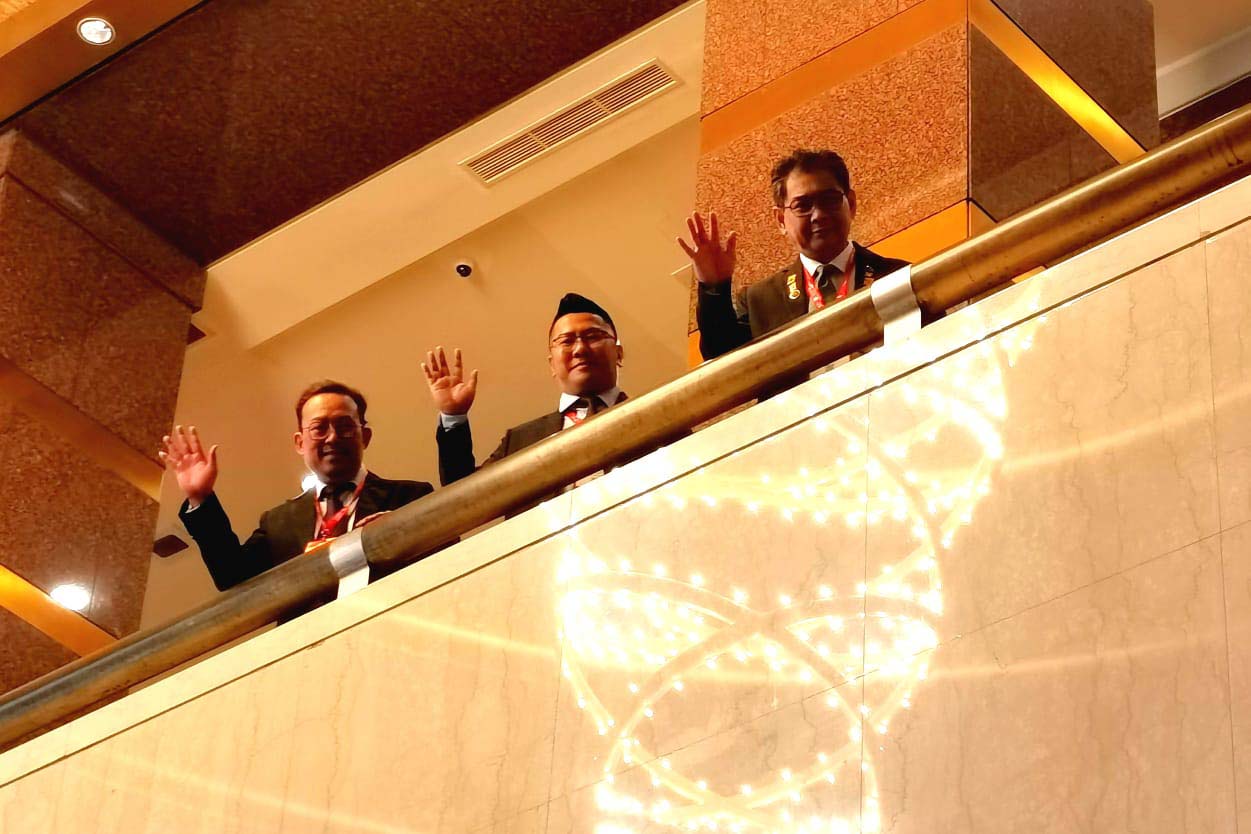
Delegates toured the lobby zones, lounge areas, restaurants and event floors, gaining insight into how the property’s service culture is reinforced through structured briefings, clear communication channels and visible leadership during peak movement periods. The walkthrough highlighted how design, lighting, sightlines and spatial layout support both team efficiency and guest comfort — essential for a hotel that serves a wide mix of business travellers, event attendees and leisure guests.
“In a lobby like ours, awareness drives everything. We observe how guests move through the space — where they slow down, what draws their attention, when they need support — and we adjust our approach in real time. That awareness only works when our teams communicate quietly and consistently in the background. Concierge, front office, F&B and events stay in sync so the guest experiences one smooth, unified flow rather than separate departments working behind the scenes.”
— Mohamed Fasle Rifaeh, Chef Concierge, Conrad Singapore Marina Bay, President, Les Clefs d’Or Singapore
The insghtful tour gave delegates a clearer understanding of how Conrad’s teams synchronise across concierge, F&B, front office and events — demonstrating the unified operational mindset required to deliver a seamless experience in a complex, multi-venue environment.
Fun Insight:
Conrad’s iconic atrium — part of Singapore’s early “atrium hotel” architectural movement — remains one of the city’s most recognisable interior landmarks, shaping both the ambience and natural circulation of guests through its public spaces. The property also features a collection of over 3,400 pieces of Asian contemporary art throughout its 512 rooms and public areas.
Pan Pacific Singapore — Timeless Hospitality, Evolving Operations
Pan Pacific Singapore offered the IFBA delegation a look at how a long-established luxury hotel maintains relevance through refinement, consistency and operational excellence.
As one of the city’s classic hospitality landmarks, the property blends decades of service tradition with ongoing upgrades to its spaces, technology and guest experience — demonstrating how legacy hotels evolve without losing their identity.
The walkthrough was hosted by Ms Celestine Tan, Sales Manager, who shared insights into how the hotel balances long-term planning with day-to-day operational demands. She explained how renovation cycles, guest expectations and brand legacy shape decisions across the property.
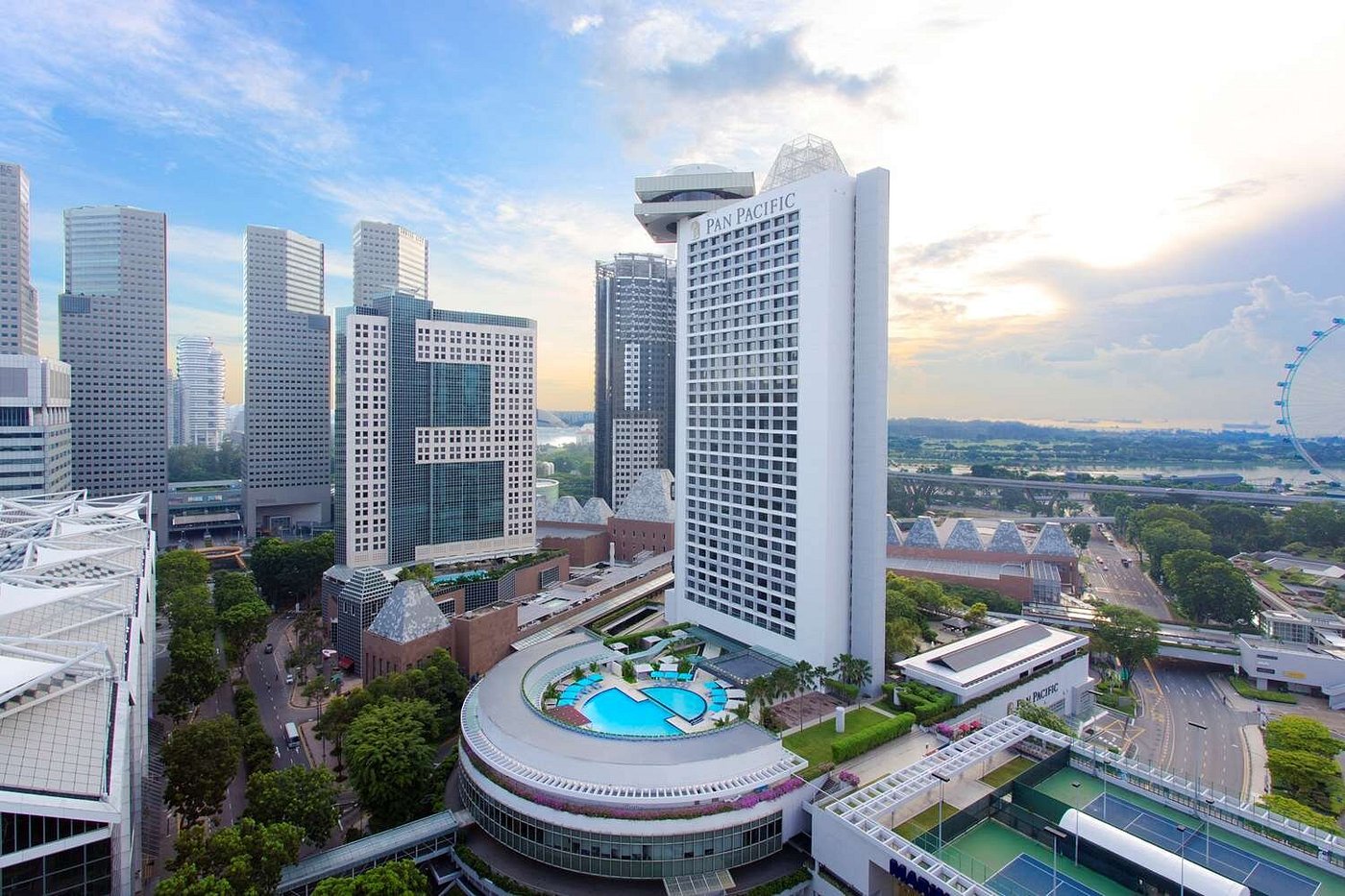
Situated at Raffles Boulevard in the heart of Marina Bay, Pan Pacific Singapore occupies a strategic position connected directly to Marina Square Mall and within steps of the Suntec Convention Centre. This location places the hotel at the crossroads of the Central Business District, major shopping hubs and key MICE facilities. During the visit, Ms Celestine Tan also highlighted the hotel’s proximity to the iconic Fountain of Wealth in Suntec City — a landmark built around the concept of circular “money wealth.” She explained how the fountain’s symbolic design, centred on prosperity and positive flow, has long been associated with the surrounding district and remains a meaningful reference point for the hotel’s place within Marina Bay’s evolving hospitality landscape.
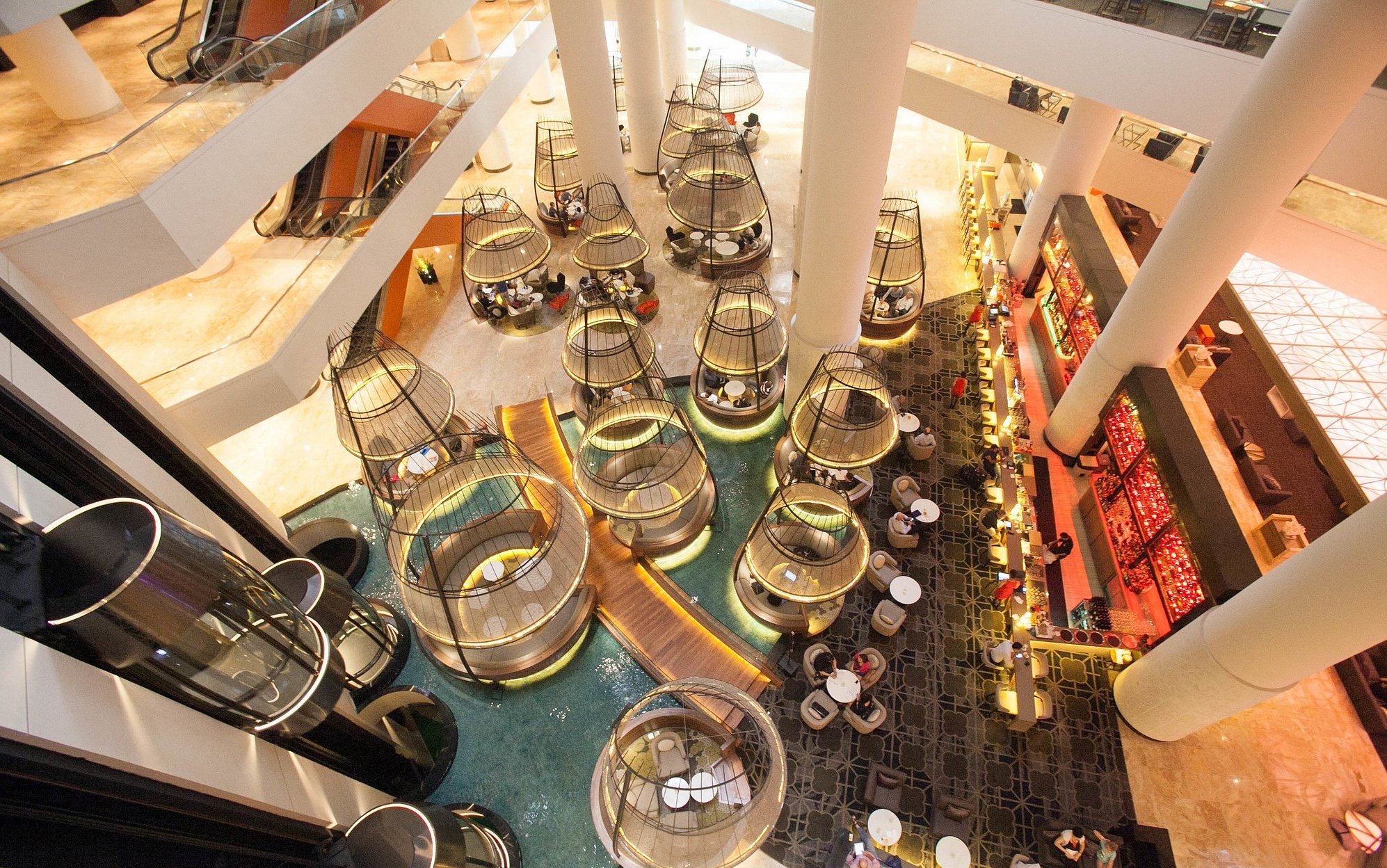
Delegates visited key meeting venues, lounge areas and viewing points overlooking the atrium, gaining a clearer understanding of how the property’s operational backbone supports large-scale events while preserving a calm, stable guest experience. Discussions also touched on the coordination between sales, events and operations teams — a core strength that allows Pan Pacific to deliver reliable service even during peak corporate periods.
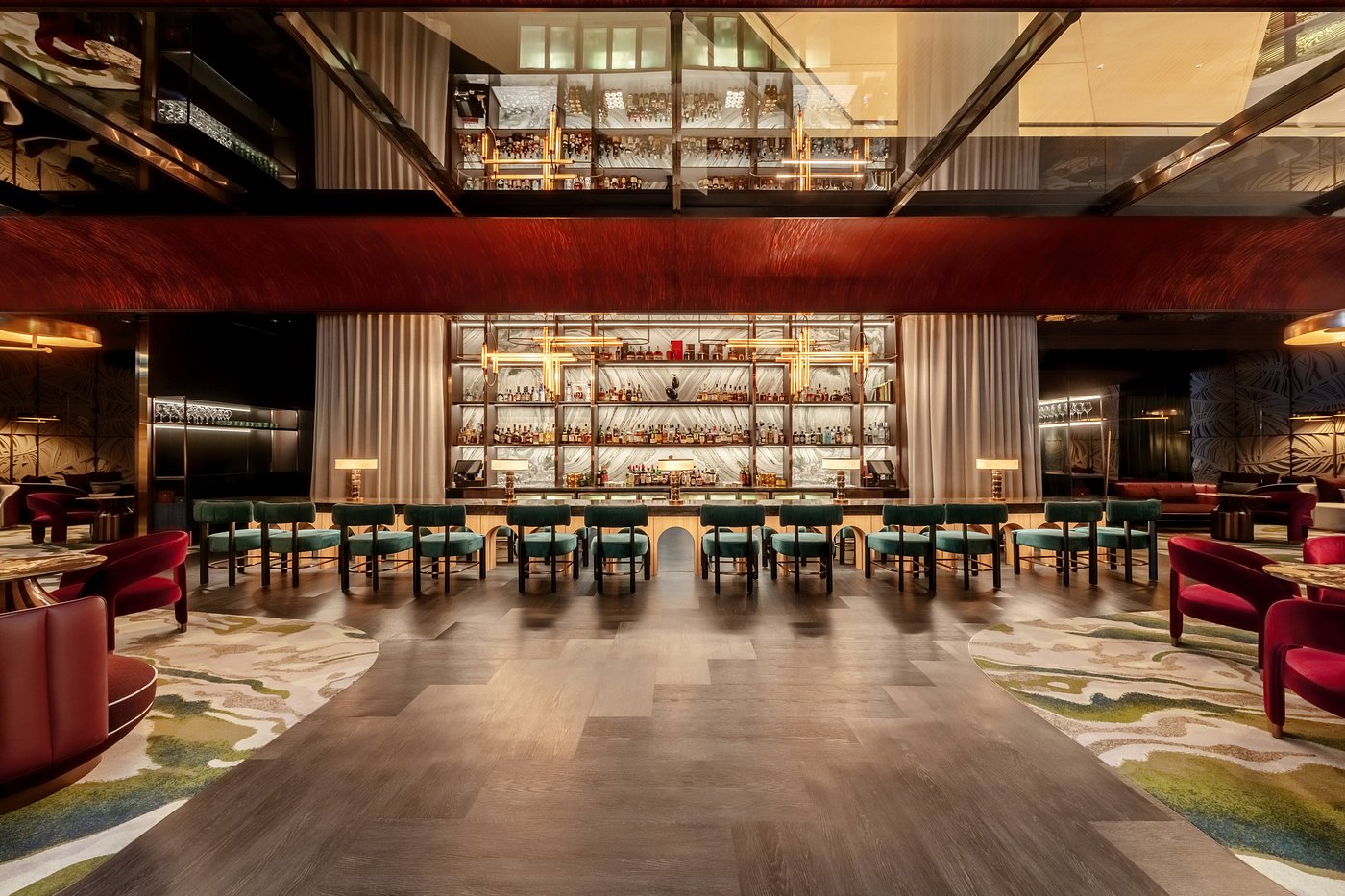
During the walkthrough, Ms Celestine Tan also introduced the delegation to Pan Pacific Singapore’s sustainability programme, which is embedded across rooms, dining and event operations. She highlighted how the hotel has eliminated single-use plastics, replacing bottled water with in-room filtered taps and carafes, and miniature toiletries with refillable pump dispensers. Recycled and repurposed materials are used throughout the guest rooms, supported by in-room recycling bins for paper, glass and metal. Celestine also shared how soap remnants are collected for redistribution, Nespresso capsules are recycled into new products, and coffee grounds are converted into compost for the hotel’s urban farm. Food waste is managed through digesters and compactors, supported by farm-to-table practices and partnerships with local food banks. These initiatives, along with towel-and-linen reuse programmes and sustainable meeting options, demonstrate how the hotel integrates waste reduction, reuse and recycling into its broader operational framework.
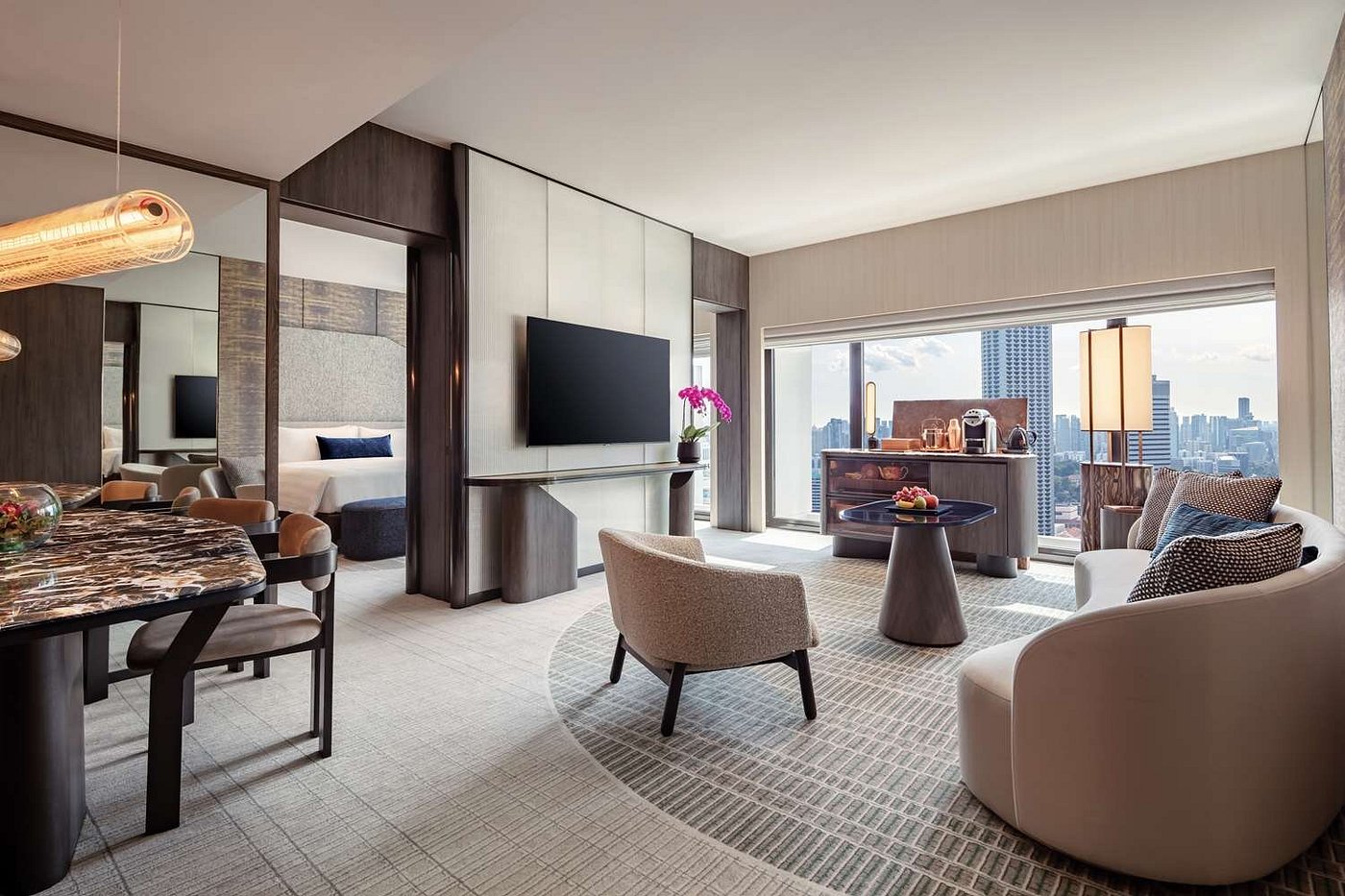
She emphasised that for Pan Pacific, sustainability is not an added feature but a philosophy that shapes the way each department operates.
“Sustainability isn’t a separate initiative for us — it’s built into the way we operate every day. We look carefully at every part of the operation, from water and waste systems to materials and amenities, refining each step to reduce our footprint without compromising the guest experience. Our goal is to deliver luxury with intention — sustainability is part of how we define modern luxury.”
— Ms Celestine Tan, Pan Pacific Singapore
Fun Insight:
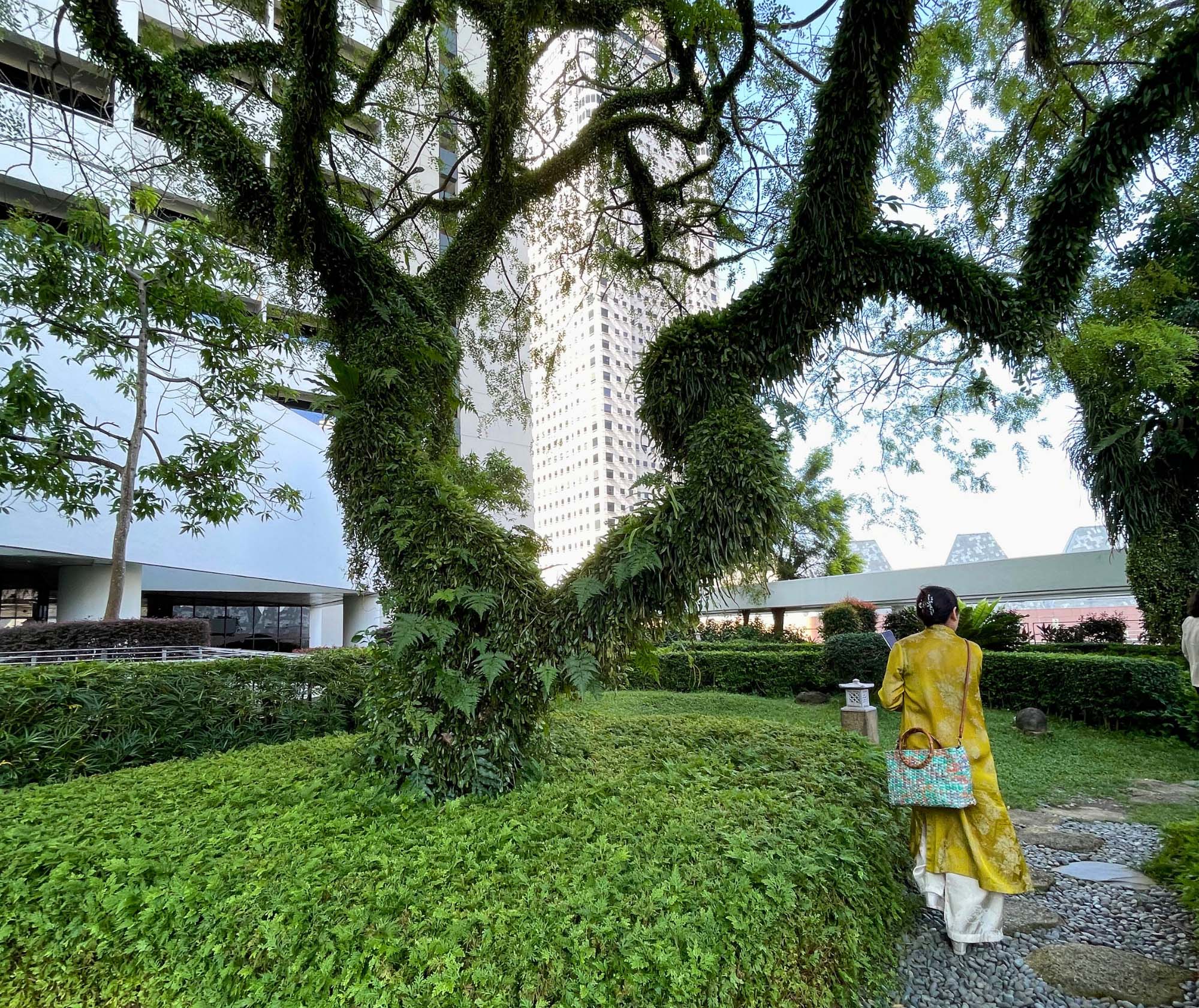
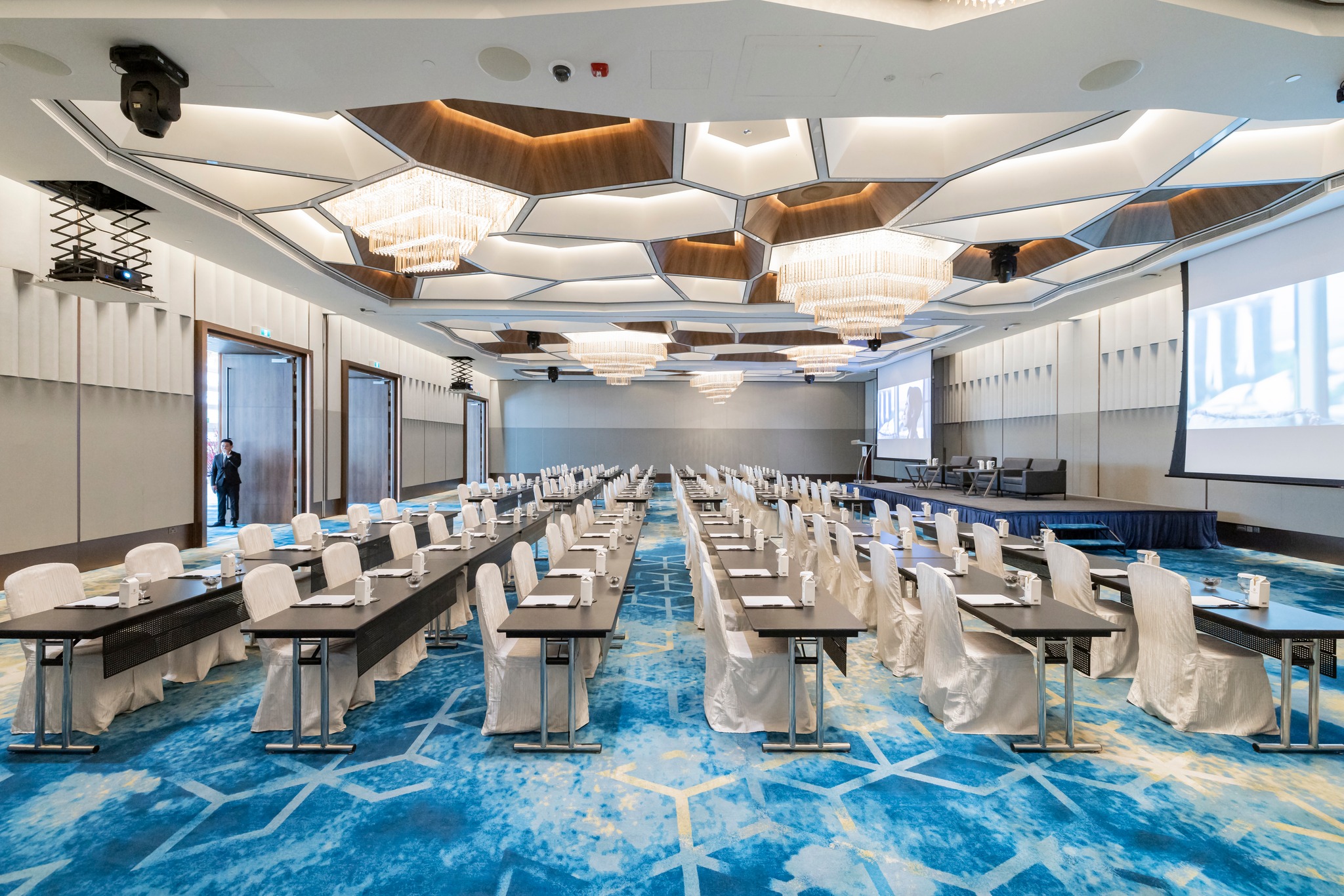
Pan Pacific’s Pacific Ballroom is known for one of the most versatile lighting and configuration systems among Singapore’s convention hotels, enabling quick transitions between banquet formats. The hotel’s iconic multi-storey atrium — a signature of the Pan Pacific brand — continues to define its visual identity and supports natural airflow and light distribution across public spaces.
PARKROYAL on Beach Road — Hospitality Rooted in Culture and Community
PARKROYAL on Beach Road offered the IFBA delegation a detailed look at how a neighbourhood-rooted hotel can manage diverse guest expectations while sustaining strong operational performance. The property’s identity is closely tied to its surroundings—sitting at the edge of Kampong Glam, one of Singapore’s most vibrant cultural districts—and this proximity shapes the pace, energy and character of the hotel’s daily operations. With 346 rooms and suites, extensive wellness facilities and more than 10,800 square feet of event space, the hotel balances community connection with the demands of a busy mid–upper tier hospitality environment.
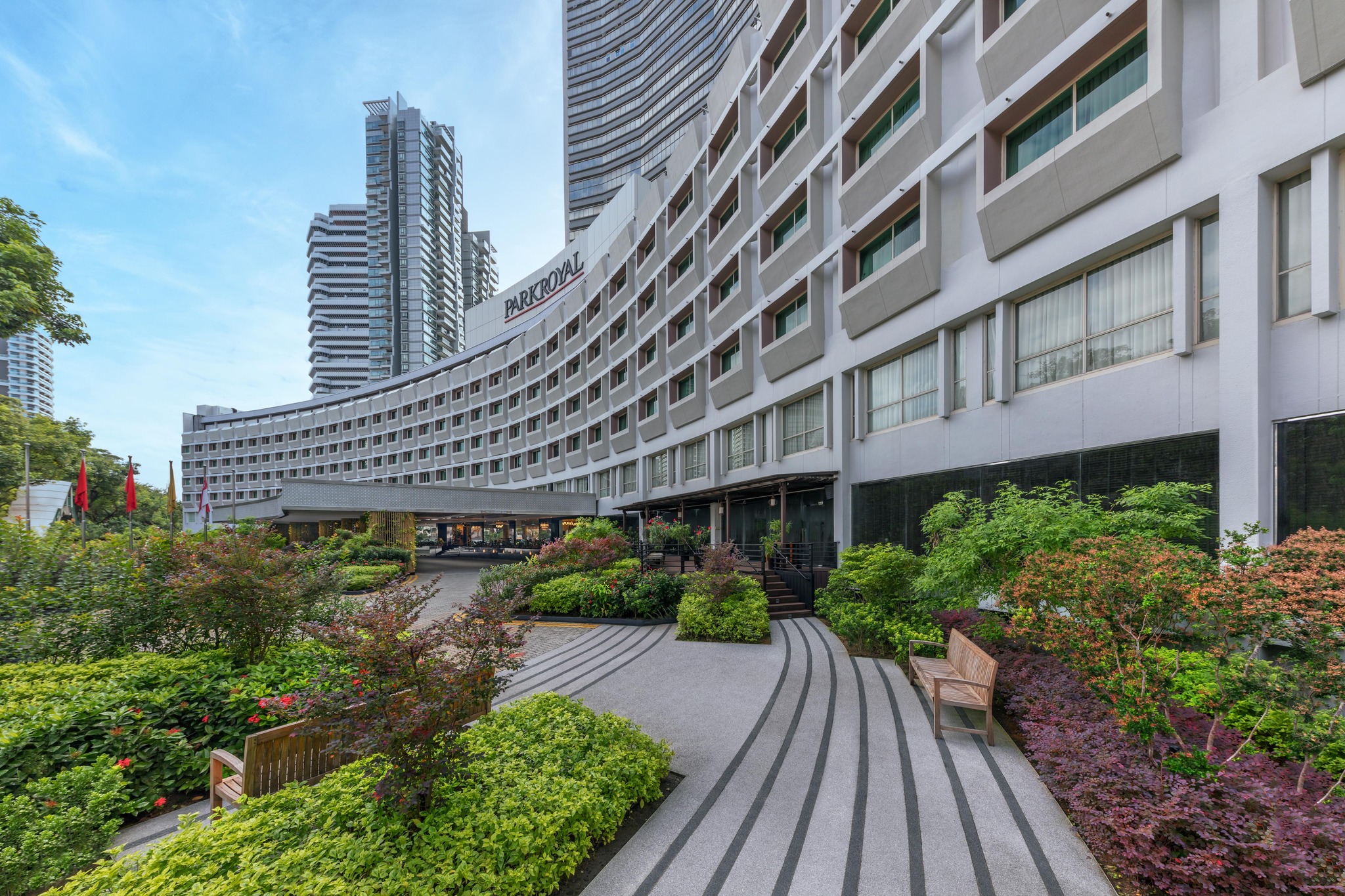
The delegation was welcomed by Mr Damian Tan, General Manager, who was recently recognised as Best General Manager at the Haute Grandeur Global Hotel Awards 2025. Damian provided an overview of how PARKROYAL on Beach Road operates across its 346 rooms, multiple dining outlets, wellness facilities and extensive MICE footprint. His introduction set the context for understanding how the hotel balances neighbourhood identity with the operational rhythm required to support a high daily guest flow.
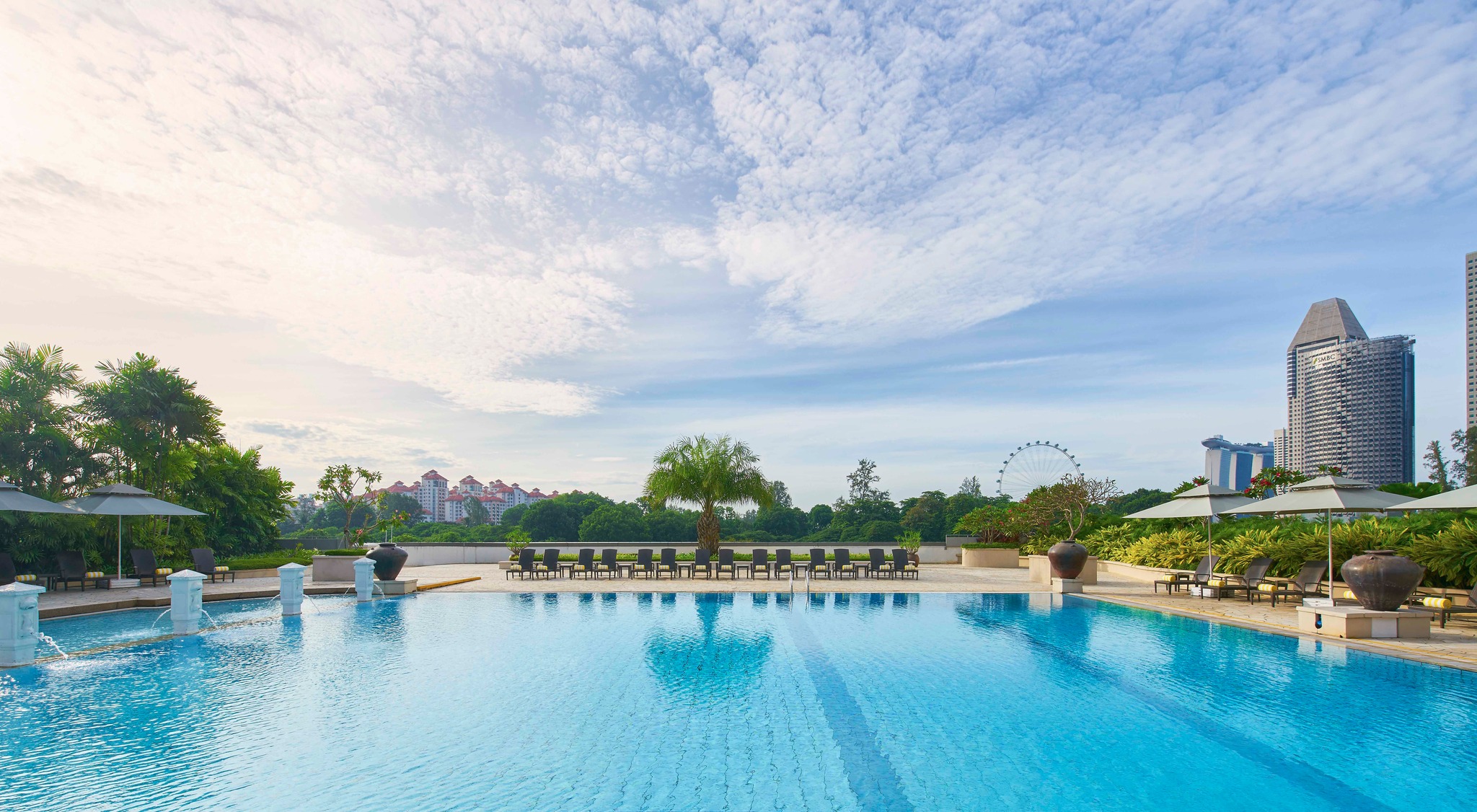
Sustainability played a central role in the tour discussion. The hotel’s environmental programme includes solar panels generating 128,000 kWh annually, an in-house food waste digester, and the elimination of single-use plastics through refillable amenities and in-room filtered water taps—reducing an estimated 502,000 plastic bottles each year. Delegates also learned about the recycling of soap, paper, glass and metal, as well as partnerships that repurpose used Nespresso capsules and coffee grounds. The hotel is certified under ISO 14001:2015 and the Global Sustainable Tourism Council (GSTC), underscoring a long-term commitment to responsible operations.
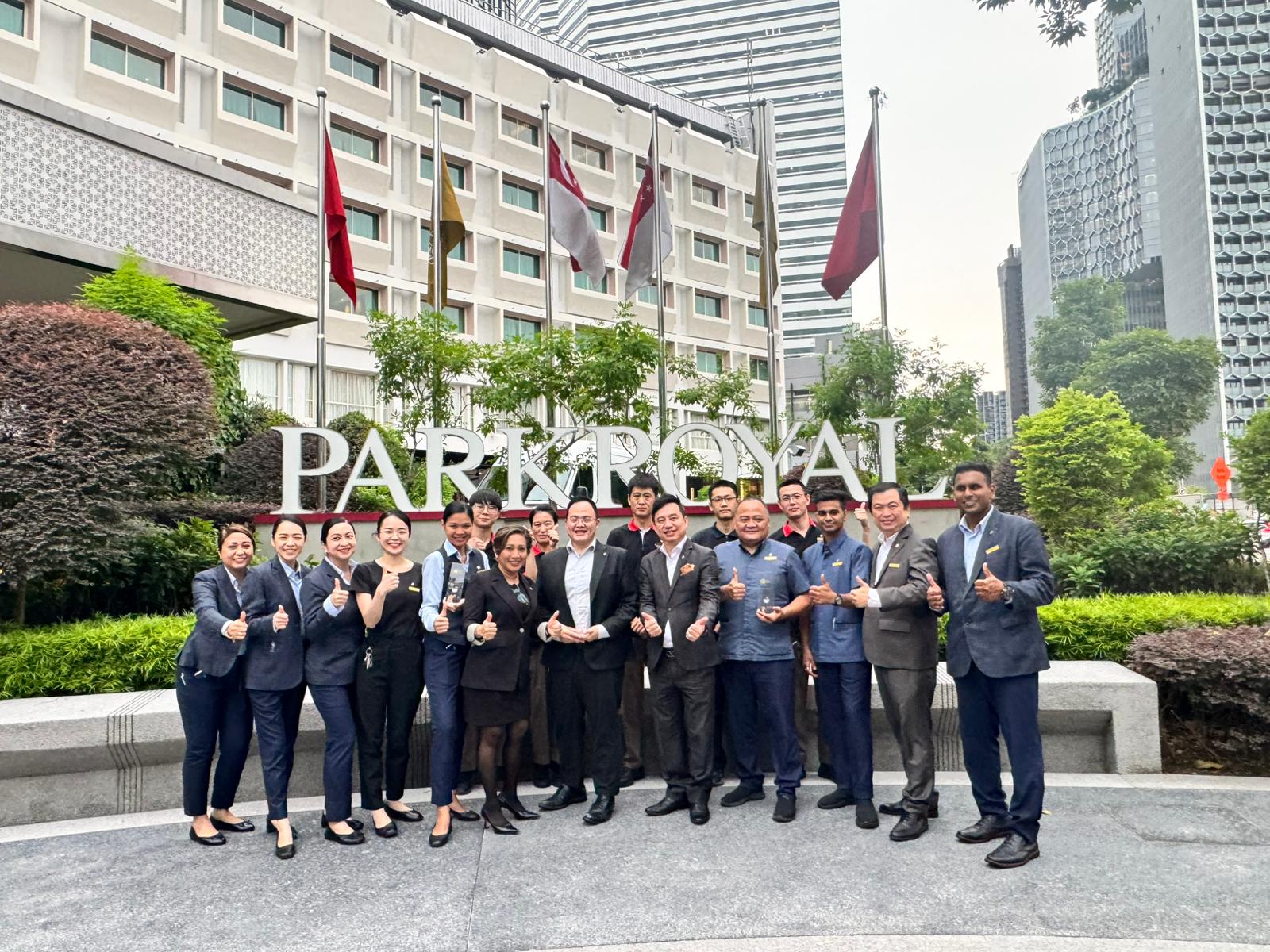
“Leading a 346-room hotel with a strong MICE footprint means every part of the operation has to run with consistency and intention. We manage more than 10,000 square feet of event space, a Grand Ballroom for up to 500 guests, and a steady flow of travellers who come for the culture of Kampong Glam and the convenience of the city. Sustainability is also part of that equation—from eliminating hundreds of thousands of plastic bottles each year to generating our own solar energy and reducing food waste. It guides the everyday choices we make — from how we use resources to how we support our teams. For us, it is a form of respect: for our guests, for our neighbourhood and for the people who work here every day. When those decisions stay rooted in purpose, the experience naturally becomes more meaningful for everyone who walks through the doors.”
— Damian Tan, General Manager
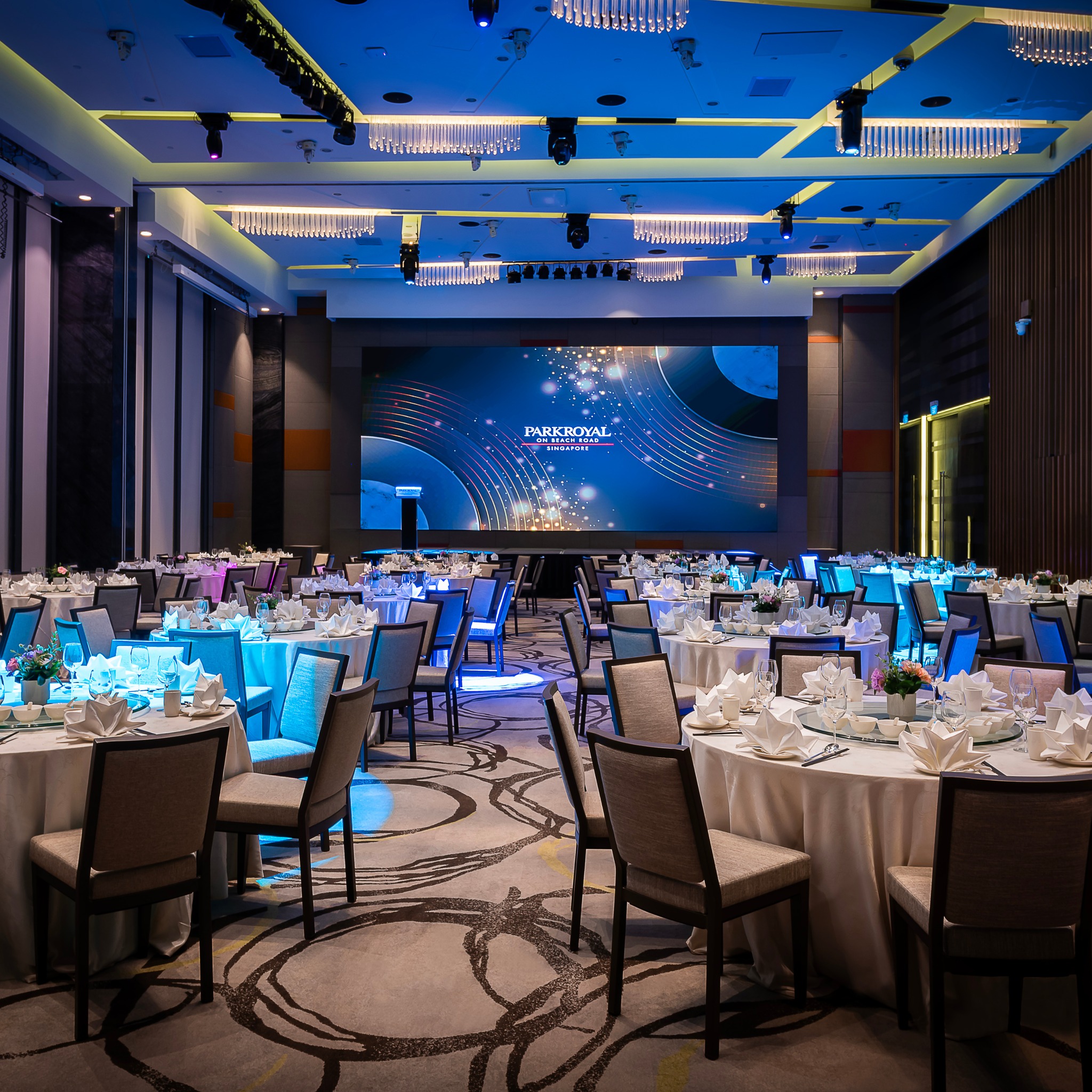
The property’s MICE capabilities were explored through several event rooms and the Grand Ballroom, which accommodates up to 500 guests in a theatre setup, how teams manage transitions between meetings, banquets and conferences, reinforcing the hotel’s reputation as one of the region’s most reliable mid-scale event venues. PARKROYAL on Beach Road’s MICE excellence has been recognised with recent accolades such as Best MICE Hotel in Asia and Best Conference Venue Hotel in Singapore at the Haute Grandeur Global Hotel Awards 2025.
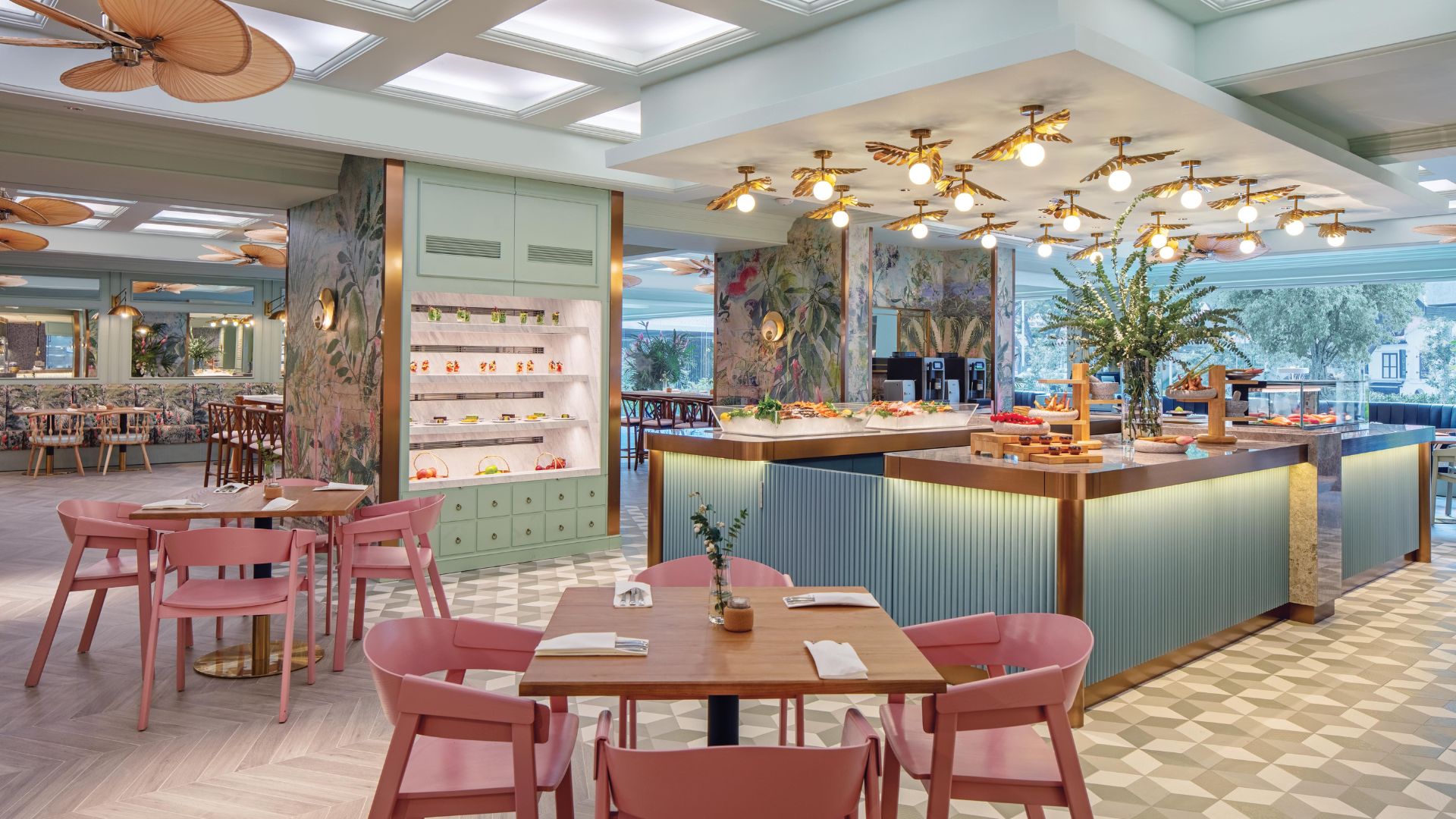
Delegates were also complemented their visit with refreshing mocktails at Ginger—recently awarded Best Halal Restaurant and Best Halal Buffet Restaurant—a signature gesture setting the tone and reflected the hotel’s warm, neighbourhood-driven hospitality.
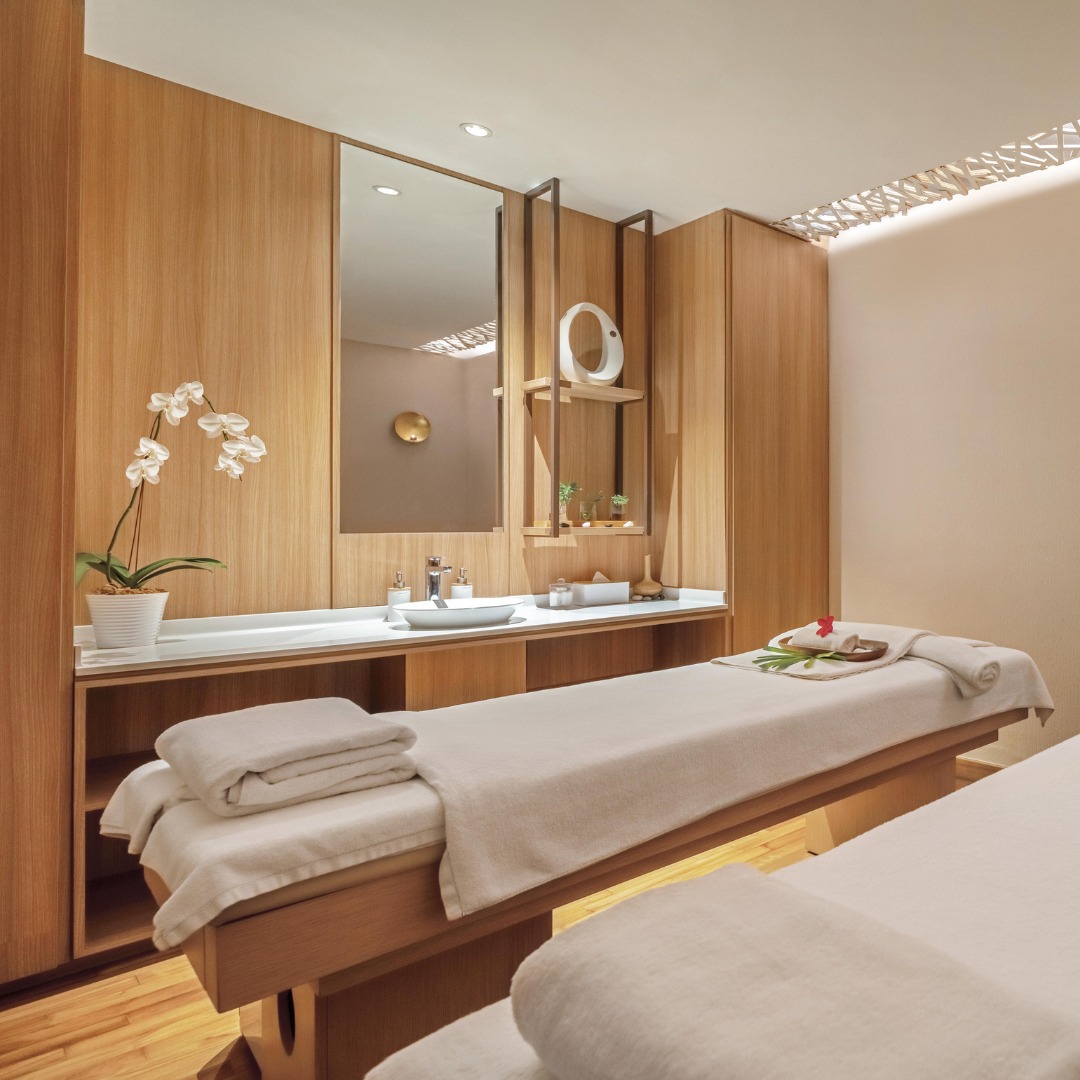
The walkthrough to the hotel premises, hosted by Ms Ganesan Ramasamy, Front Office Manager, who explained how service is shaped by the hotel’s location and the diverse mix of guests it attracts. guest mix. From there, the tour continued through selected rooms and suites, the wellness floor, the rooftop pool deck and the event spaces, providing a complete view of how the property maintains comfort, efficiency and cultural connection across its operations. On the wellness level, delegates indulged on the recently renovated St. Gregory Spa, the 24-hour gym and the iconic rooftop pool, which offers panoramic city views. Ganesan explained how the hotel balances leisure guests, business travellers and local clientele, adjusting staffing and support according to time of day and event activity.
Delegates also viewed Club 5, a neighbourhood-inspired bar that pays homage to the heritage of the surrounding district, and were briefed on the hotel's award-winning Chinese restaurant, Si Chuan Dou Hua, which the group later revisited during the community dinner.
Fun Insights
PARKROYAL on Beach Road sits on a historically significant stretch of land along Beach Road, once part of Singapore’s original coastline before land reclamation shifted the shoreline nearly 1.5 kilometres outward. The hotel’s neighbourhood identity is rooted in this history, with Kampong Glam remaining one of the few districts preserving the cultural rhythm of old Singapore. Its rooftop pool and wellness deck remain among the property’s most distinctive features, offering panoramic views above one of Singapore’s most dynamic cultural quarters.
Si Chuan Dou Hua Dinner
IFBA Community Dinner — Heritage Cuisine and Shared Connections
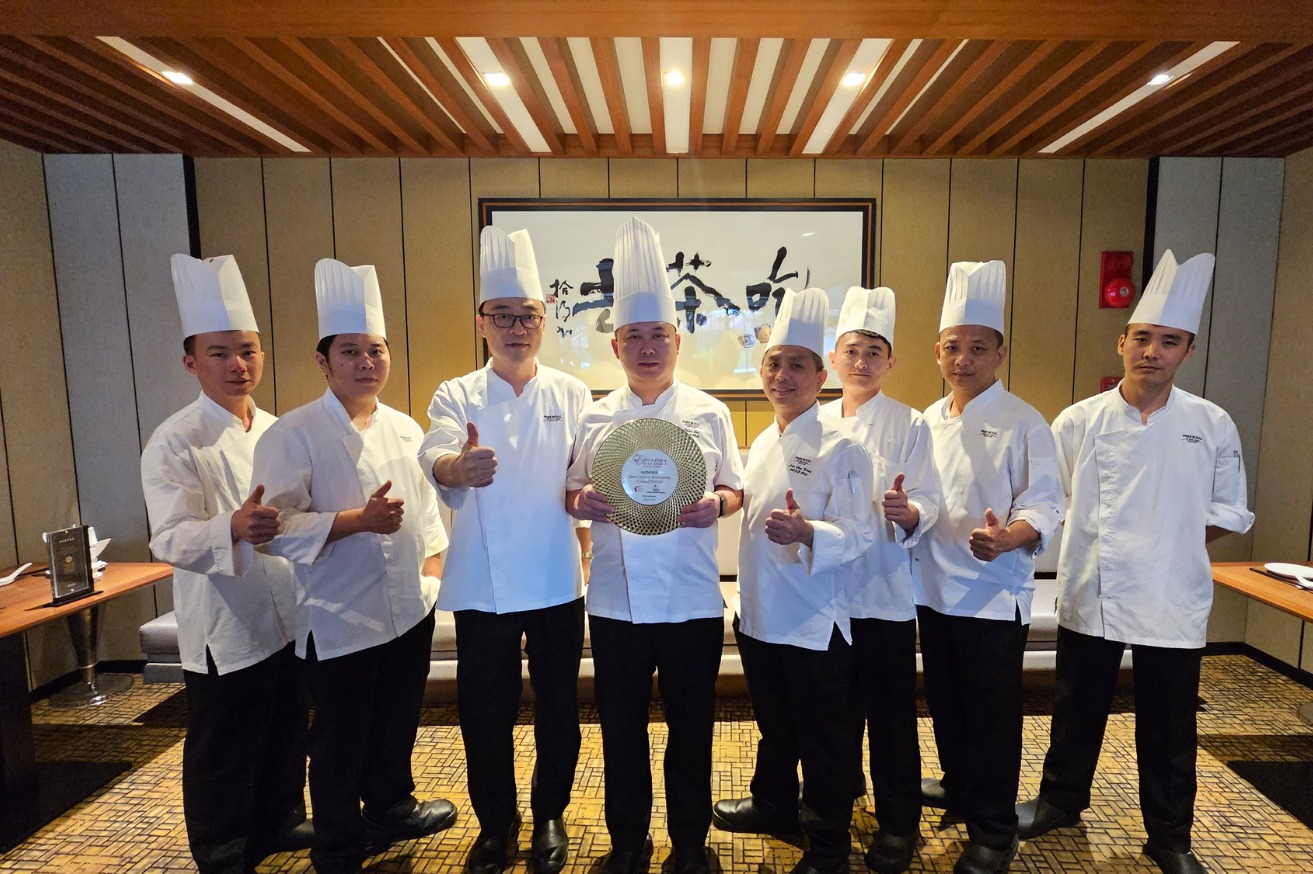
The IFBA delegation concluded the evening at Si Chuan Dou Hua, the landmark restaurant inside PARKROYAL on Beach Road and one of Singapore’s earliest champions of authentic Sichuan cuisine. Known for its deep heritage and recognised with the Singapore Prestige Brand Award, the restaurant offered an elegant setting for a communal dinner that blended cultural discovery with warm hospitality.
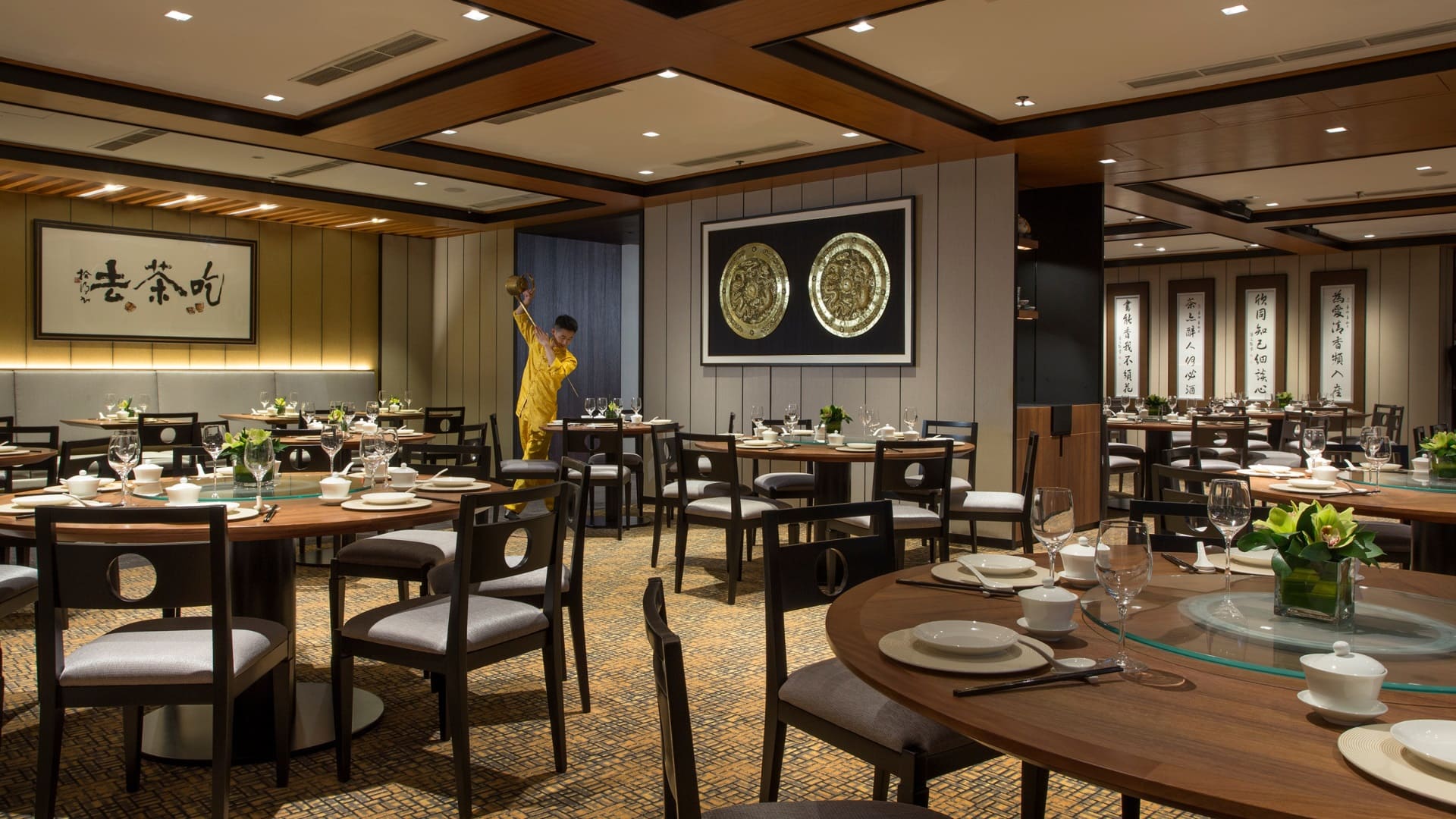
Established in 1996, the restaurant has grown into a lifestyle brand under the Pan Pacific Hotels Group, known for marrying Sichuan and Cantonese culinary traditions with the grace of Chinese tea culture. With 240 seats, including private dining rooms and two elegant halls, the venue embodies refined Asian hospitality through its intricate latticework, warm gold accents and displays of regional artifacts that honour its origins.
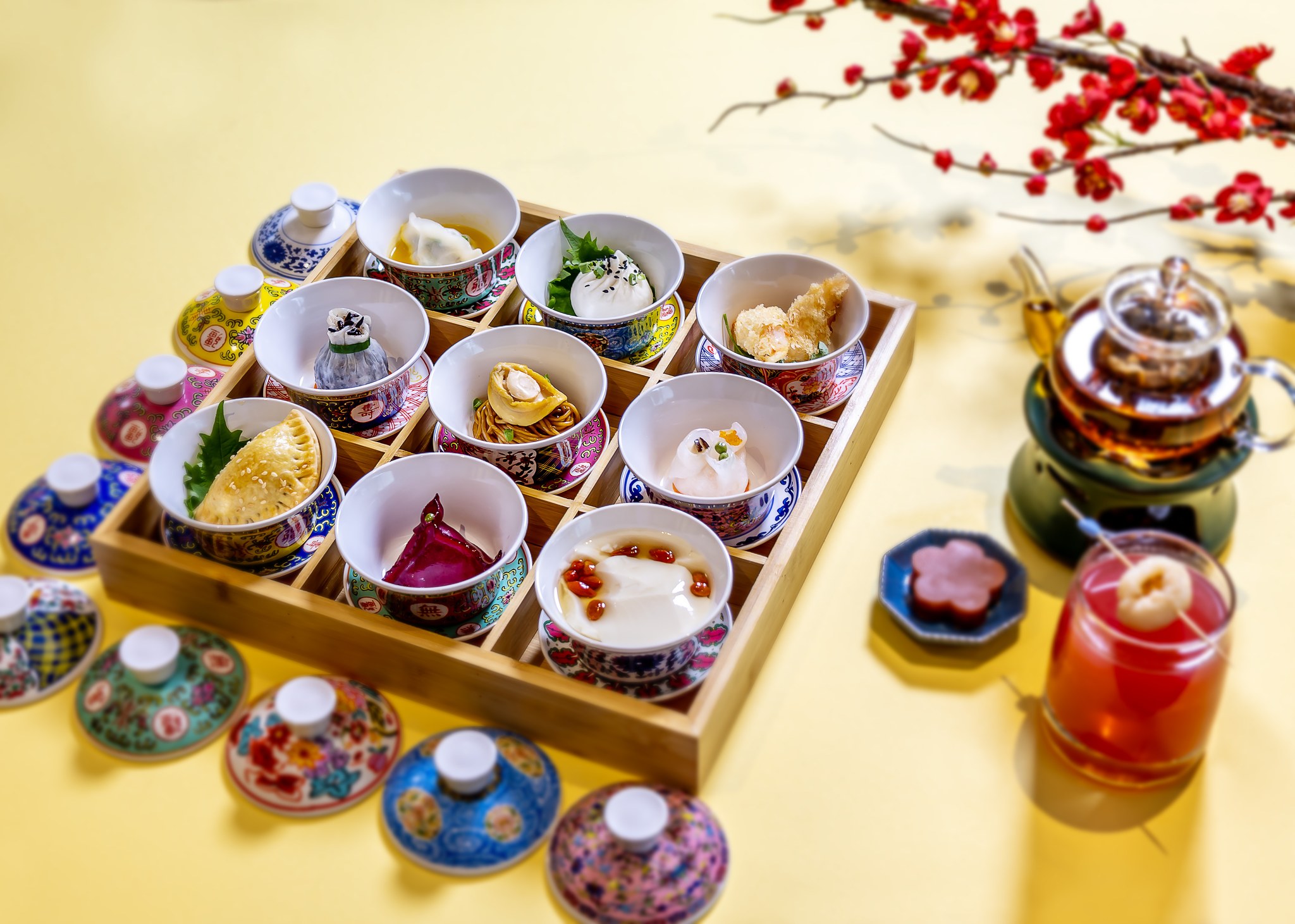
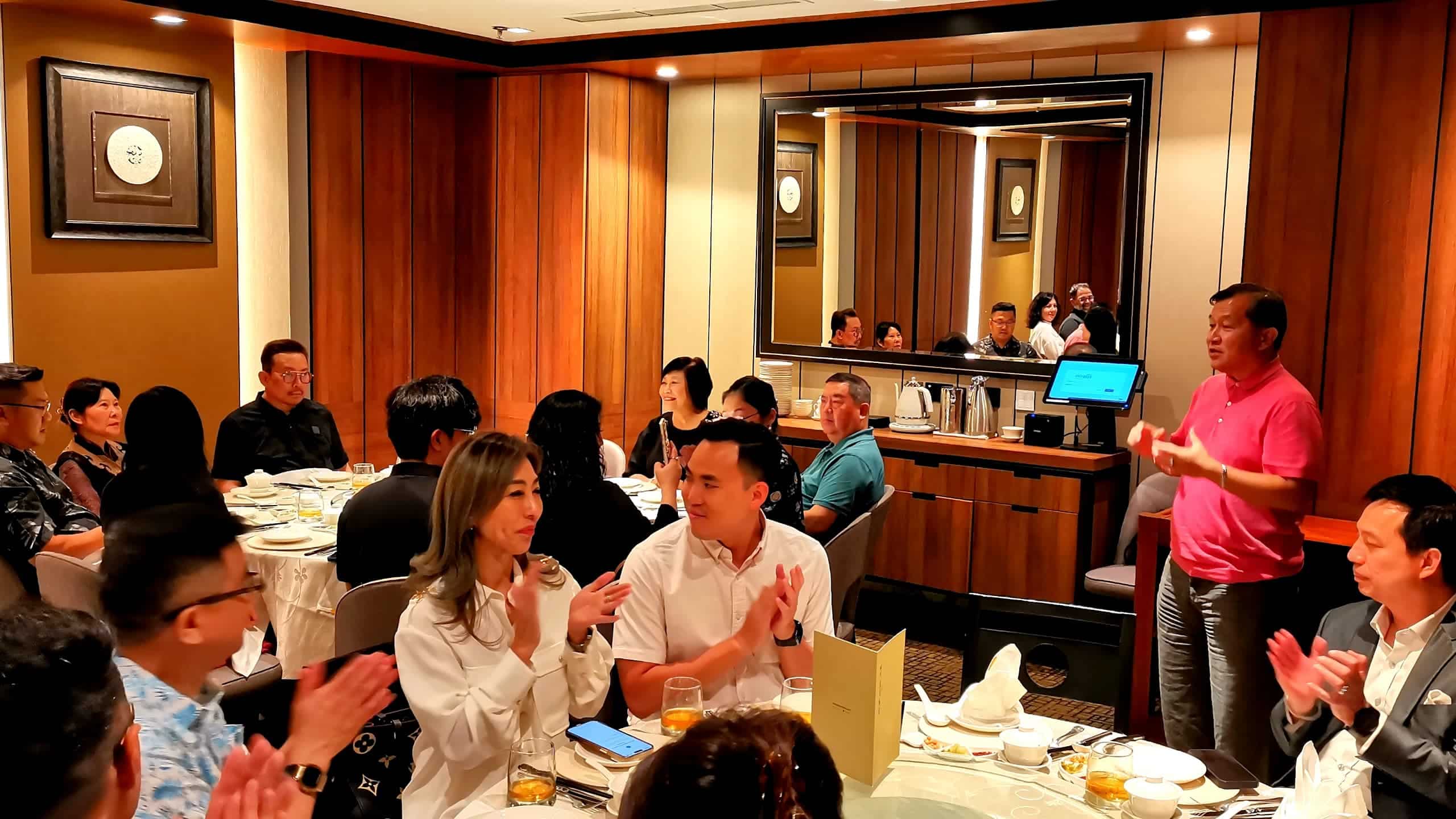
Si Chuan Dou Hua is also renowned for its tea art performances, where Tea Masters pour premium Chinese teas from long-spouted kettles with choreographed precision — a blend of martial arts, dance and ceremony that reflects the cultural depth behind the dining experience. The restaurant’s commitment to craftsmanship extends to its menu, led by a team of master chefs and its award-winning Executive Chef Hoo Chee Keong, recipient of the STAR CHEF award at the IBA World Best Star Chefs Awards 2025.
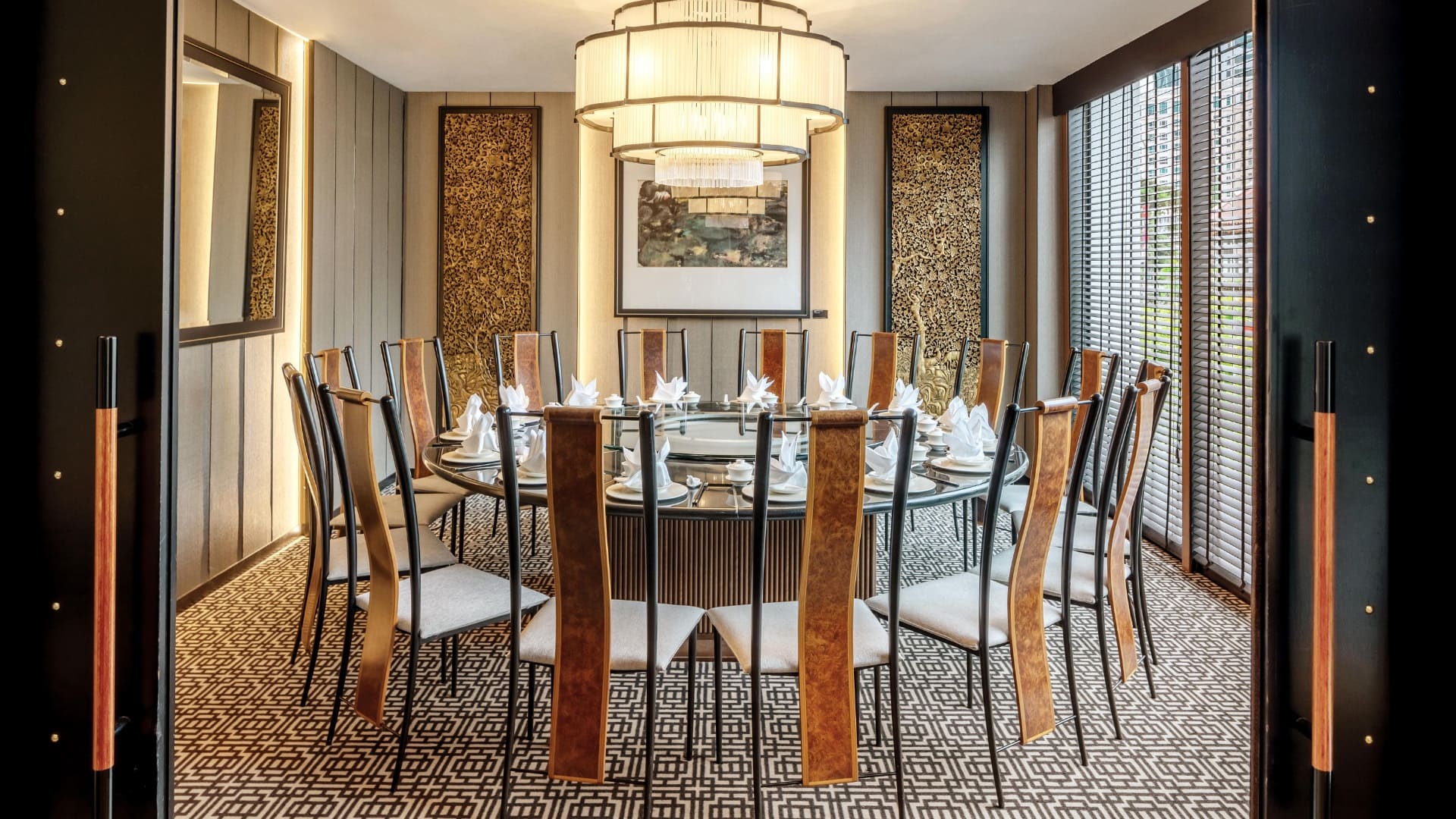
For the IFBA community dinner, the culinary team presented a thoughtfully curated set menu that showcased the restaurant’s mastery of flavour and texture, offering a clear progression of tastes throughout the evening.
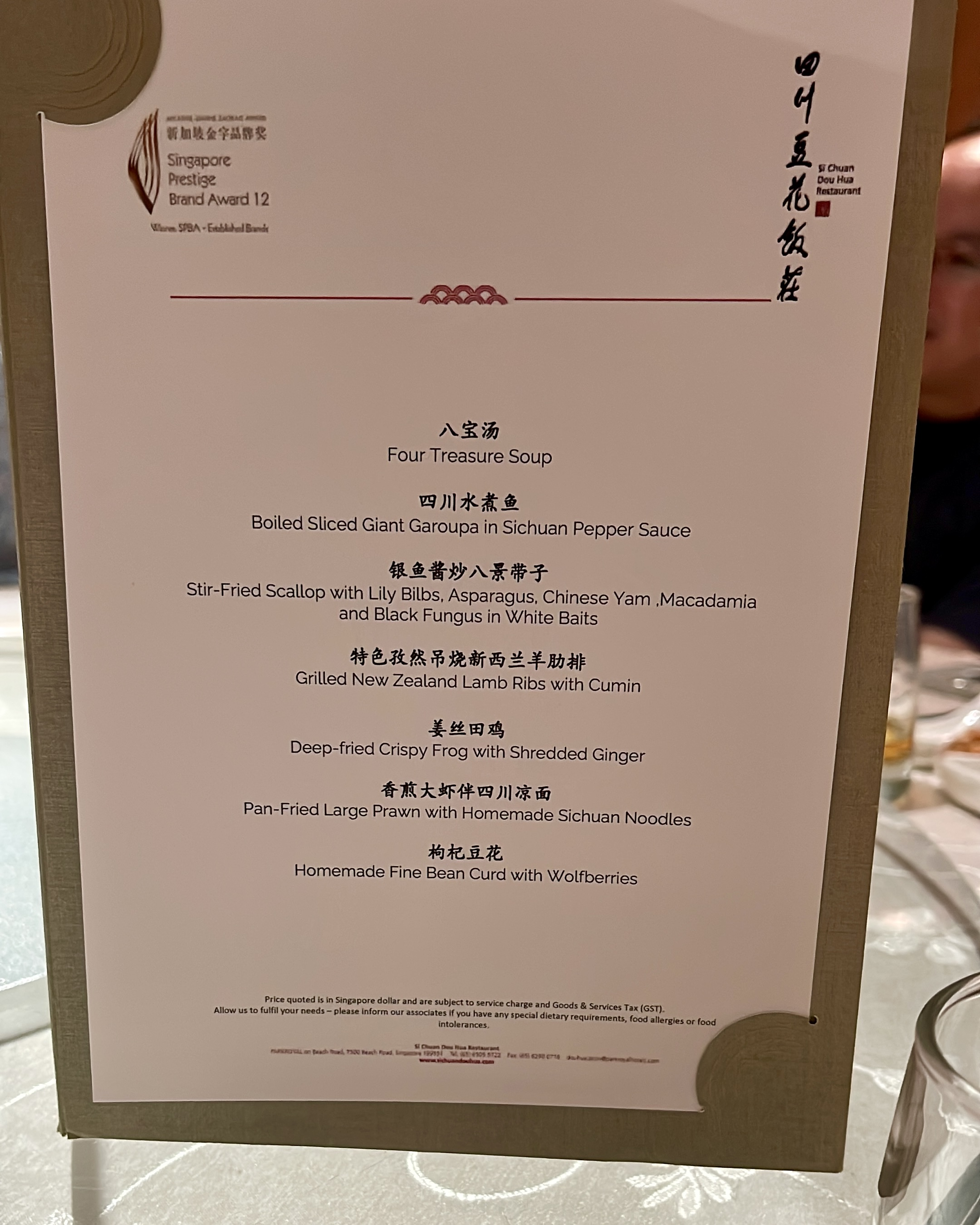
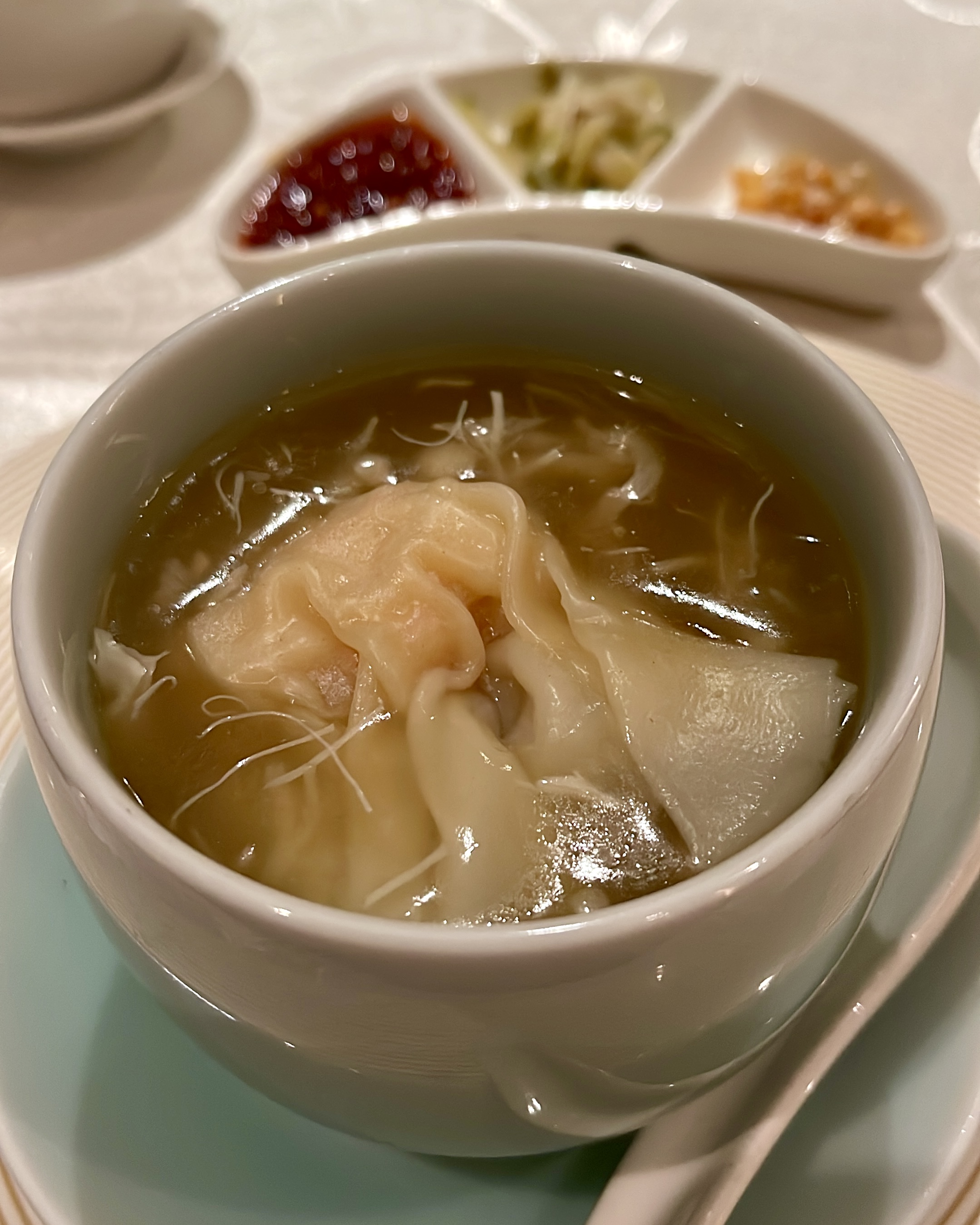
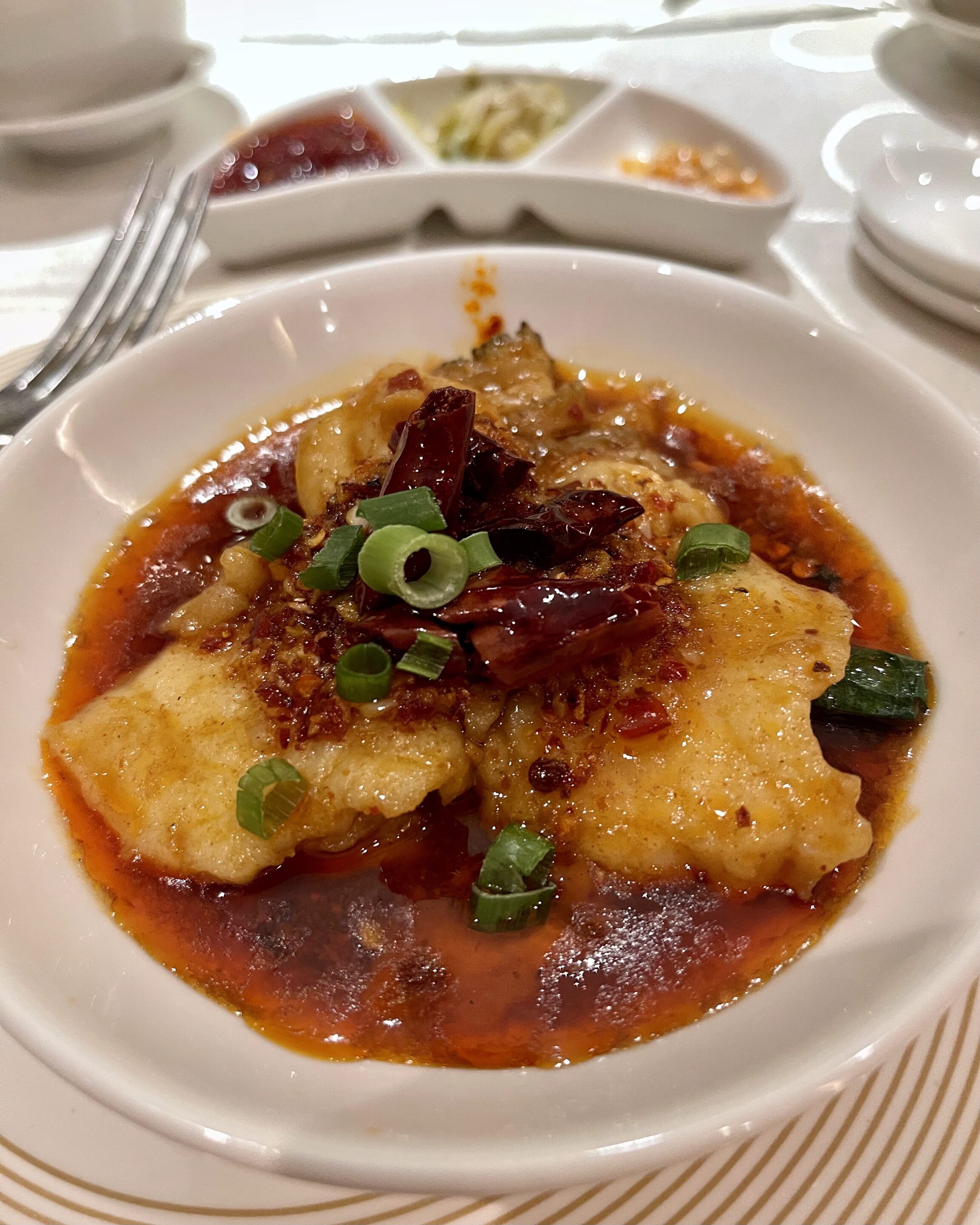
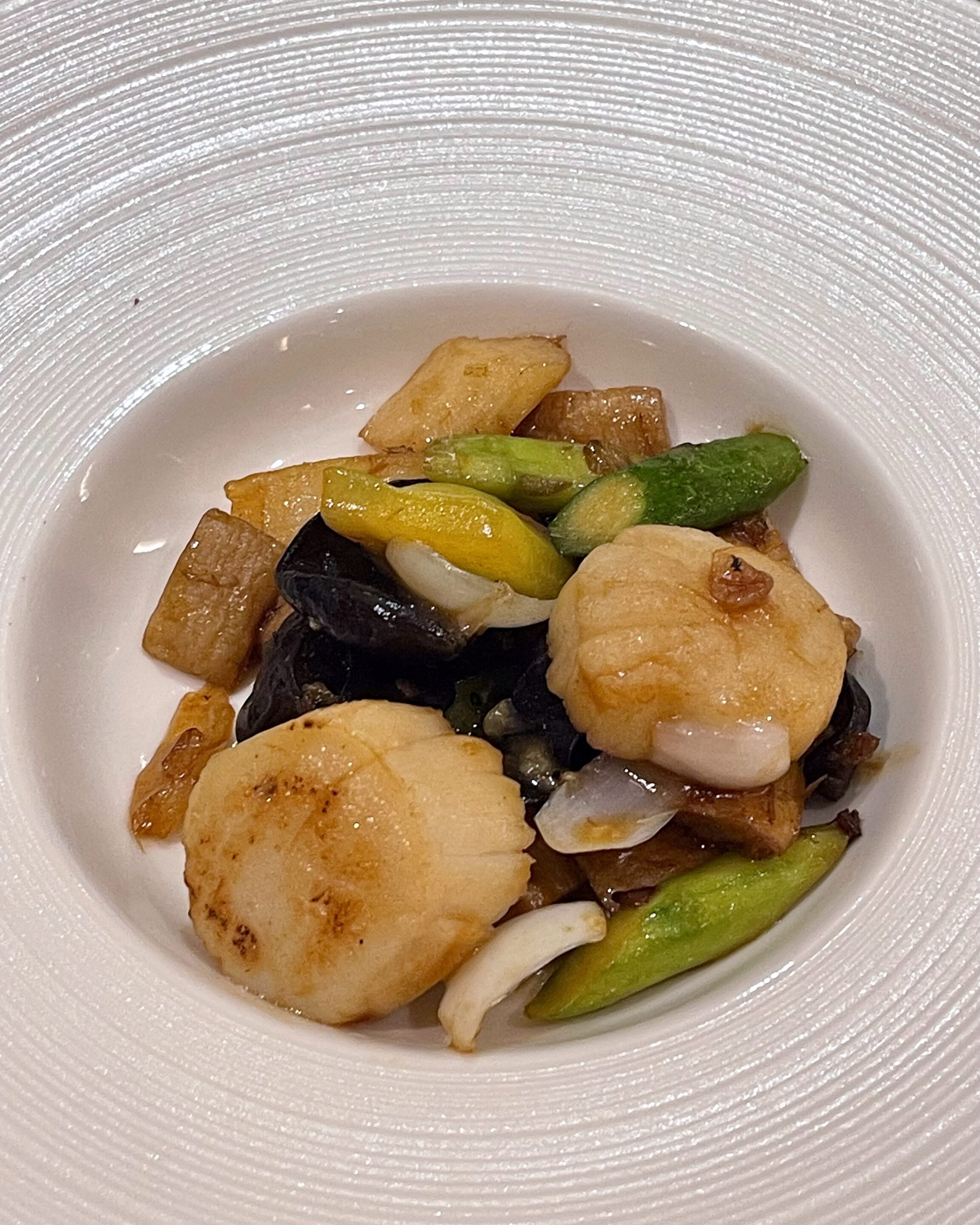
Highlights included the aromatic Four Treasure Soup, Boiled Sliced Giant Garoupa in Sichuan Pepper Sauce, and a refined Stir-Fry of Scallop with Lily Bulbs, Asparagus, Chinese Yam and Macadamia, followed by Grilled New Zealand Lamb Ribs with Cumin and the classic Deep-Fried Crispy Frog with Shredded Ginger. Delegates also enjoyed Pan-Fried Large Prawn served with Homemade Sichuan Noodles before the meal concluded with handmade Fine Bean Curd with Wolfberries, a dessert celebrated for its silky texture and soothing finish.
For many delegates, the experience offered not only a memorable meal but a deeper appreciation of how culinary traditions reflect regional identity and cultural continuity. The setting, with its heritage-inspired interiors and attentive service, provided a fitting close to the day’s programme.
Fun Insights
Si Chuan Dou Hua’s dedication to quality has earned it numerous distinctions over the years, including multiple TripAdvisor Travellers’ Choice Awards, the RAS Epicurean Star Awards for “Best Chinese Restaurant” across fine dining and casual categories, and recognition for its long-standing partnership with Singapore’s community organisations.
Our Appreciation to Hosts & Contributors
IFBA extends its sincere appreciation to the hotel teams, partners, associations who made this programme possible. We are grateful to Marina Bay Sands, Artyzen Singapore, Conrad Singapore Marina Bay, and PARKROYAL on Beach Road for opening their doors and providing an exceptional level of hospitality during the operational visits.
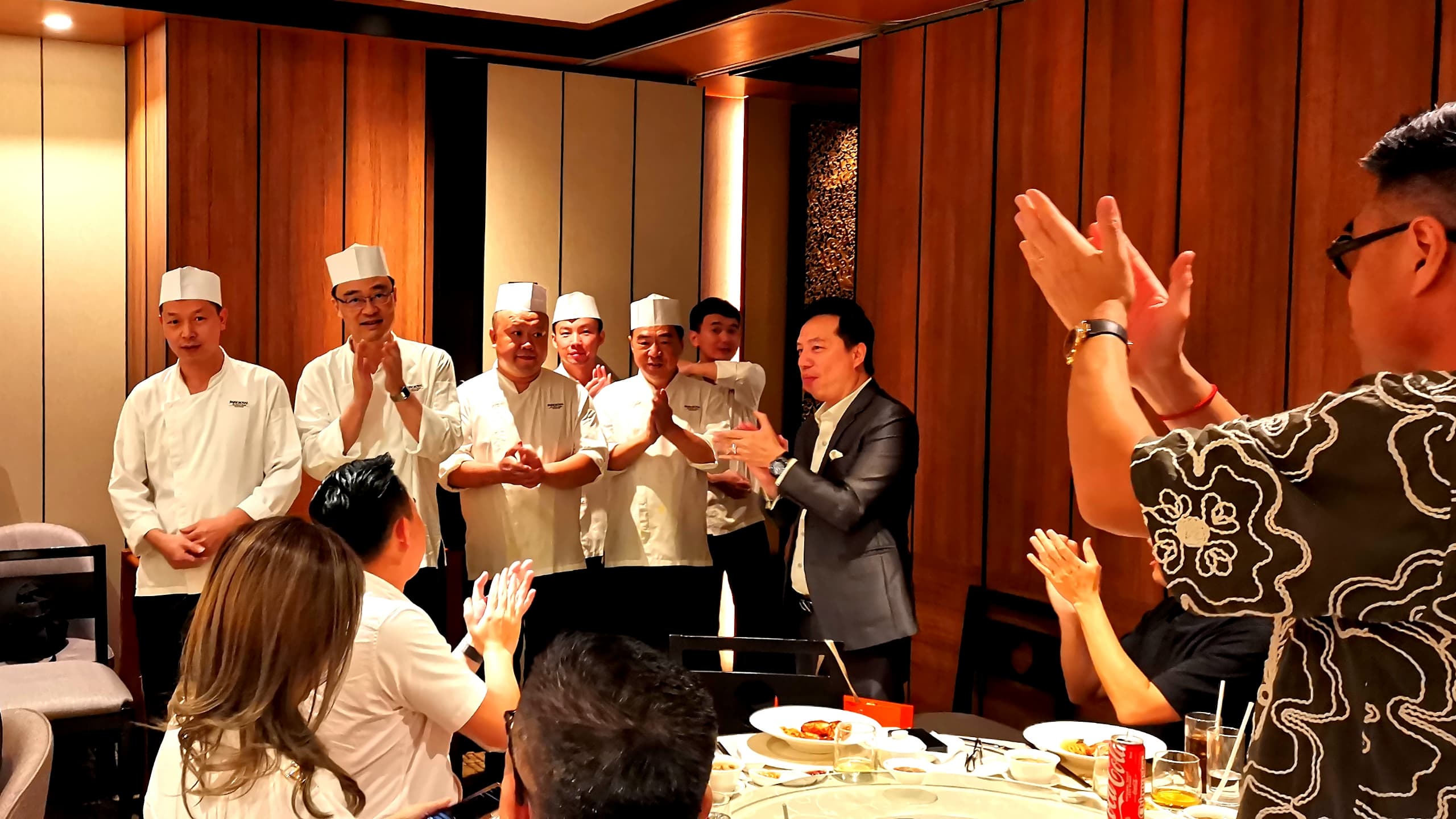
Our grateful appreciation also goes to the dedicated team at Si Chuan Dou Hua for their warm hospitality and thoughtful hosting of the IFBA World Community Dinner. With special gratitude for the dinner special arrangement and hotel visits to Damian Tan, General Manager of PARKROYAL on Beach Road and President of Association of Room Division Executives (Singapore).
Our Appreciation to Delegates, Partners & Associates
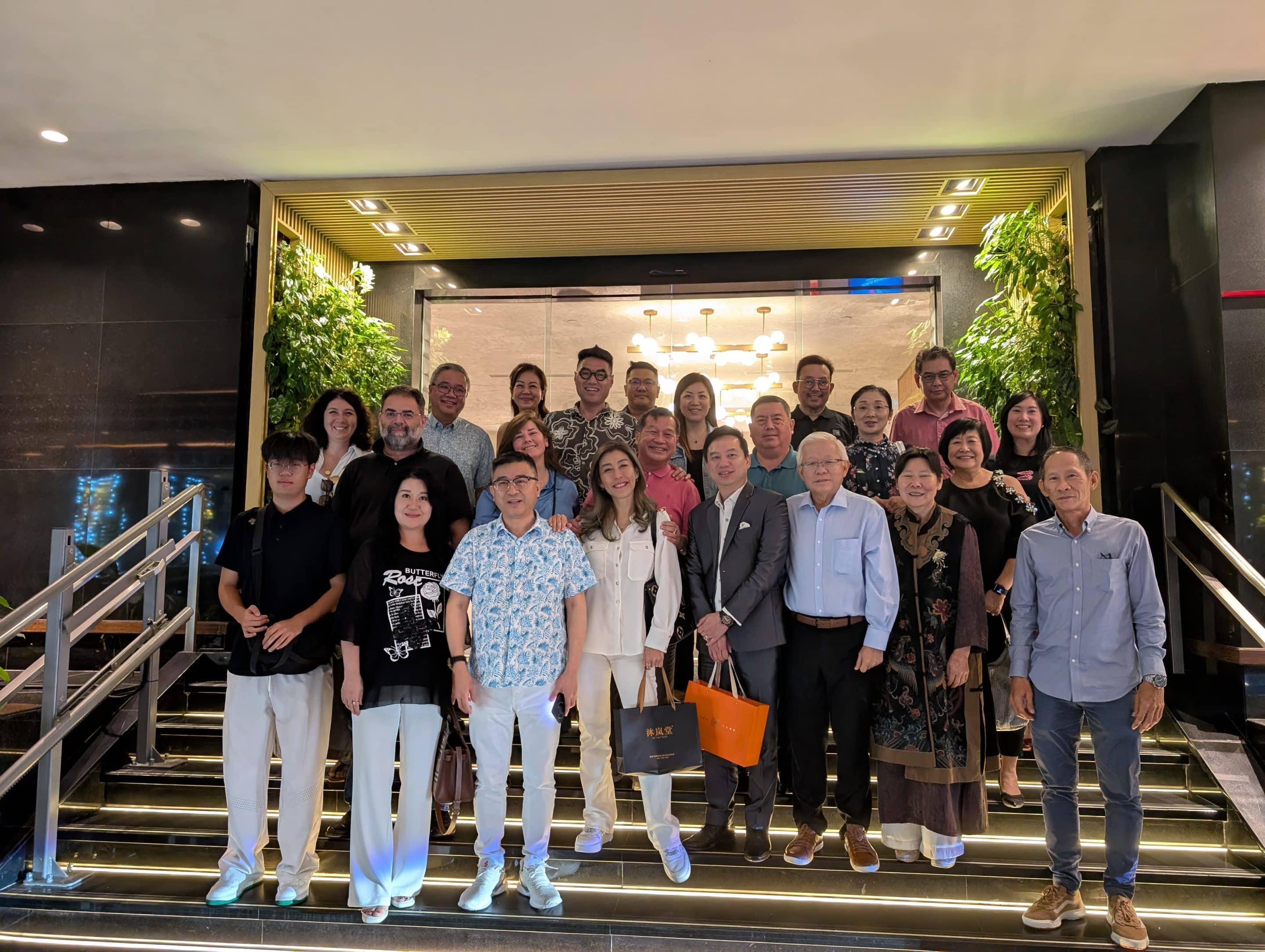
IFBA extends its appreciation to the many individuals, and organisations who contributed to the success of this year’s programme.
We thank Derrick Lee, IFBA Treasurer, for his coordination and support, the IFBA Liaison officers Justin Aow, Lionel Tan, and Marc Chan, for ensuring the seamless organisation of delegate activities. Our gratitude also goes to Joanna Wong, whose assistance throughout the week strengthened the quality of exchanges and community engagement.
We recognise the outstanding efforts of Adelina S. Barphe, IFBA Vice President (Americas) for her leadership in strategic initiatives and development efforts that continue to advance the association’s vision and international partnerships.
Our Appreciation to Delegates, Partners & Associates
Our gratitude also goes to the Hospitality Alliance Singapore and all our community members, industry partners and volunteers whose commitment strengthened the impact and quality of the programme.
We offer special thanks to the presidents, executives and association leaders who contributed to the forums and hotel visits, including Eduardo Serrano (AIDABE), Madeline Lai (HPAS), Damian Tan (ARDE Singapore), Chef KK Kong (Singapore Chefs’ Association), Mohamed Fasle Rifaeh (Les Clefs d’Or Singapore), Jennifer Ong (HAPA Group), Catherine Choo See Peng (Association of Singapore Housekeepers), and Kung Teong Wah (Food and Beverage Management Association Singapore). Their contributions added depth, clarity and meaningful dialogue throughout the week.
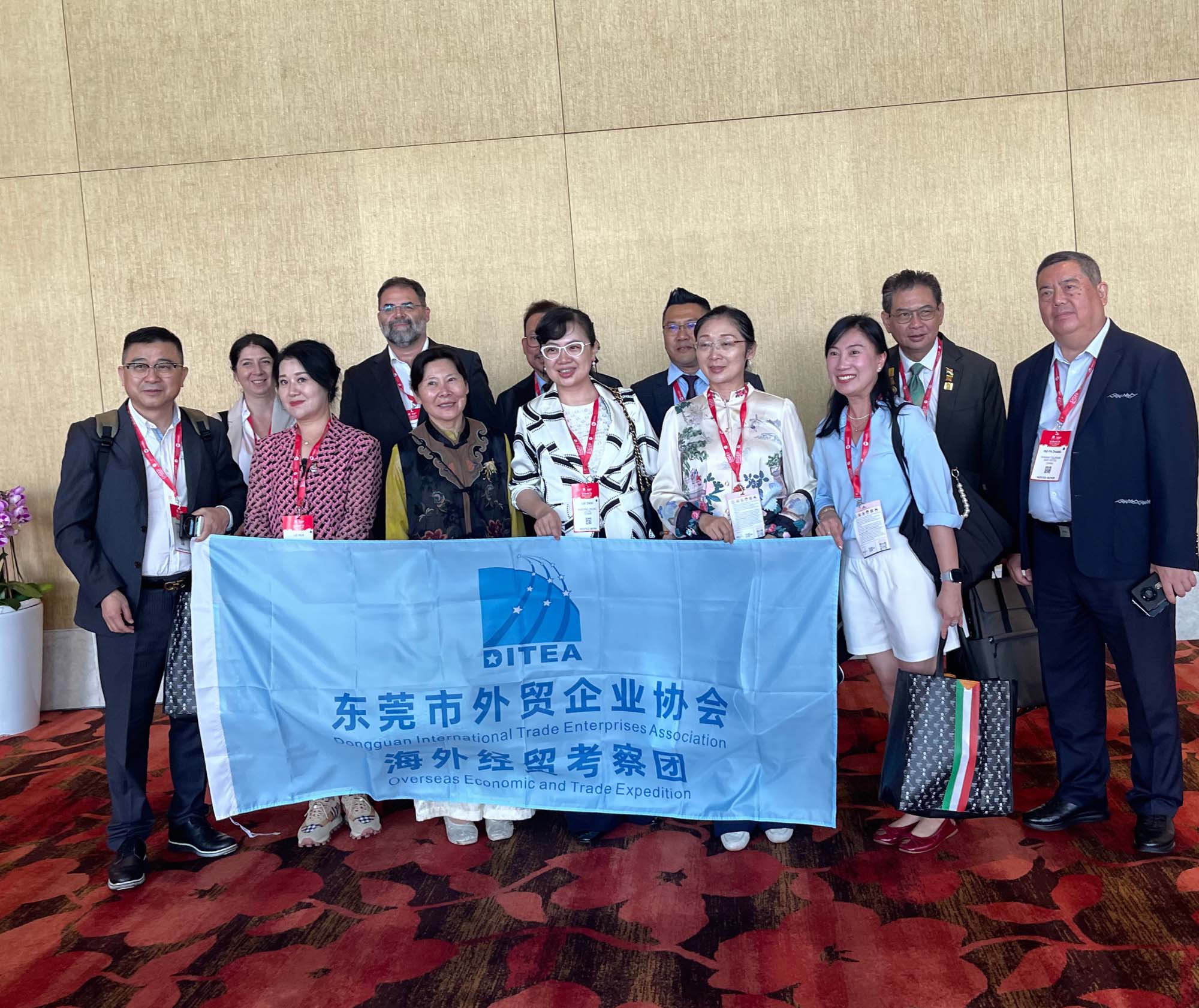
We also express our appreciation to our China delegation, whose presence enriched the cross-cultural dialogue and strengthened regional collaboration: Wu Honghua, Hua Lei, Zhang Huifa, Zhou Lei, Xiang Jiamei, and Jing Yi Qin, along with their respective associations. Their contributions brought valuable institutional perspectives that supported the development of new pathways for exchange and cooperation.
A special acknowledgment goes to Han Bin, Chairman of the Asia-Pacific Hotel Association, for his continued support.
To the wider IFBA community, association partners, and industry professionals from Singapore, China, ASEAN, Europe and the Americas, we extend our heartfelt thanks for your commitment and participation.
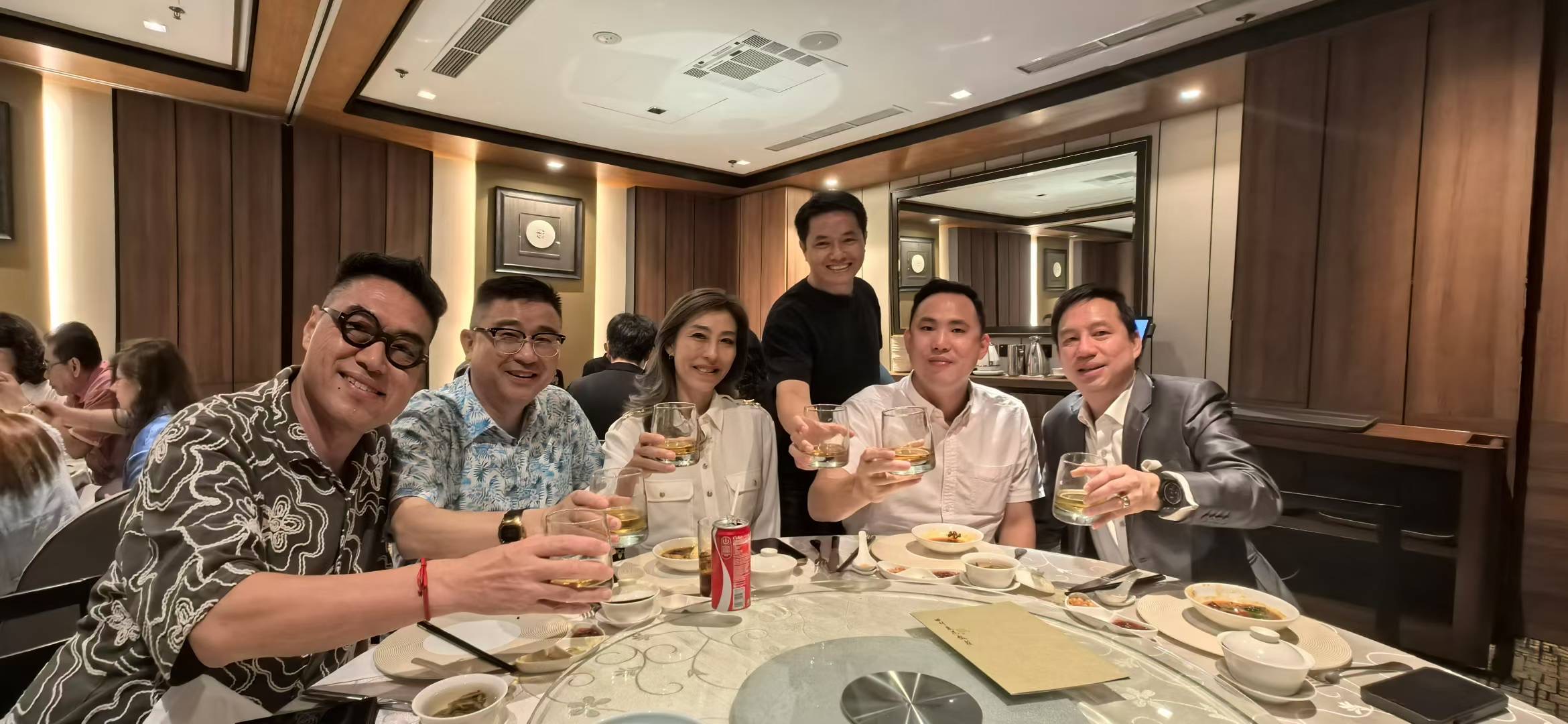
We extend our special gratitude and deepest respect to the enduring Singaporean brand Sia Huat, and specifically acknowledge its late founder CB Tan. We thank his son, Melvin Tan, for continuing the partnership as our valued corporate partner.
We also wish to express sincere appreciation to Franz Heng, Chairwoman of the Cambodian Restaurant Association, and Minh Chu, President of the Vietnam Restaurant Association, for their reinstated partnerships and invaluable joint collaboration as we move forward.
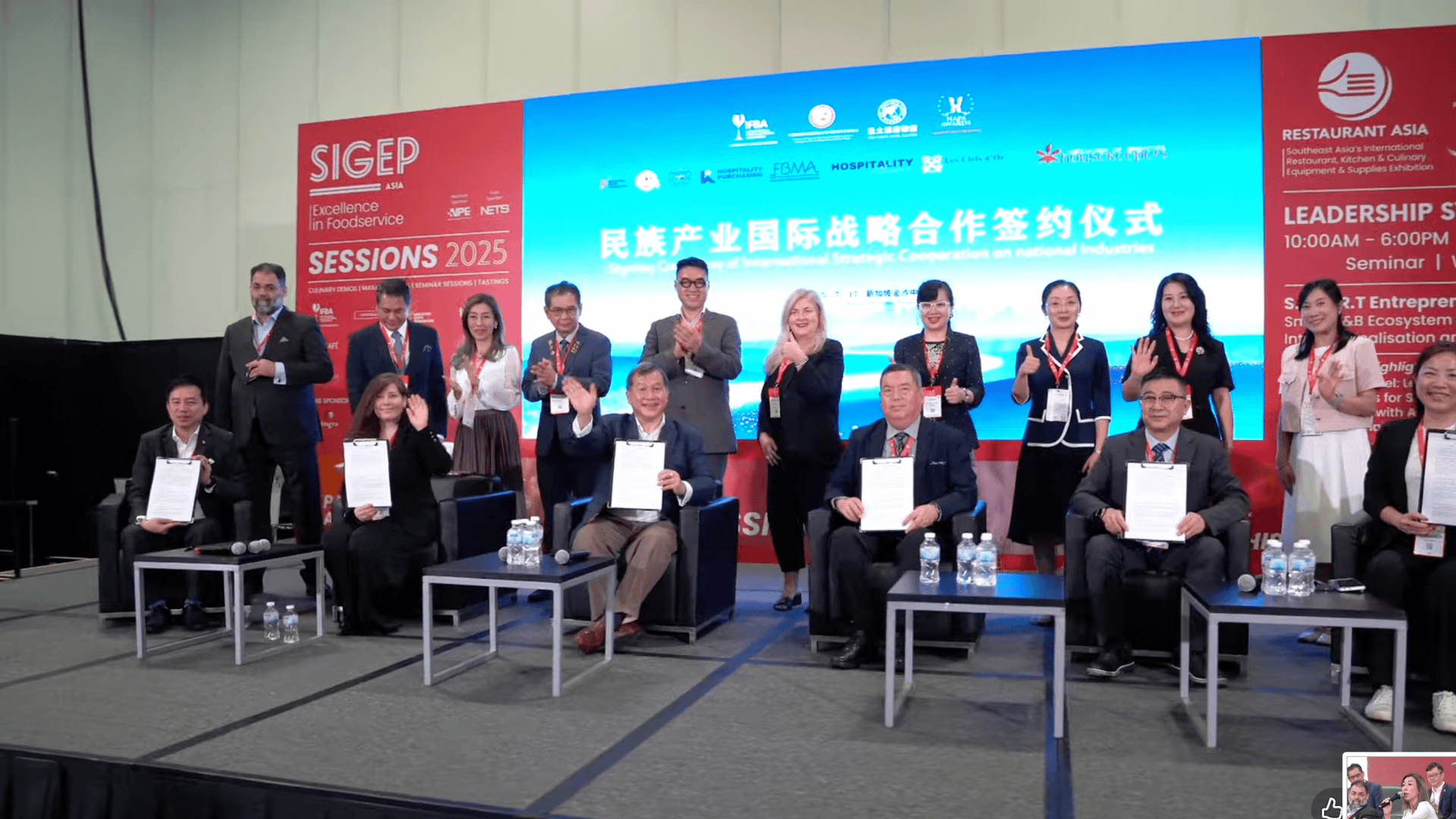
Our thanks also go to the speakers, moderators, and delegation leaders who contributed their time, insights and expertise across the two IFBA forums. Special acknowledgment goes to IEG Asia for its continued support, and to the many industry professionals—local and international—who joined us in shaping a meaningful week of dialogue, learning and cooperation.
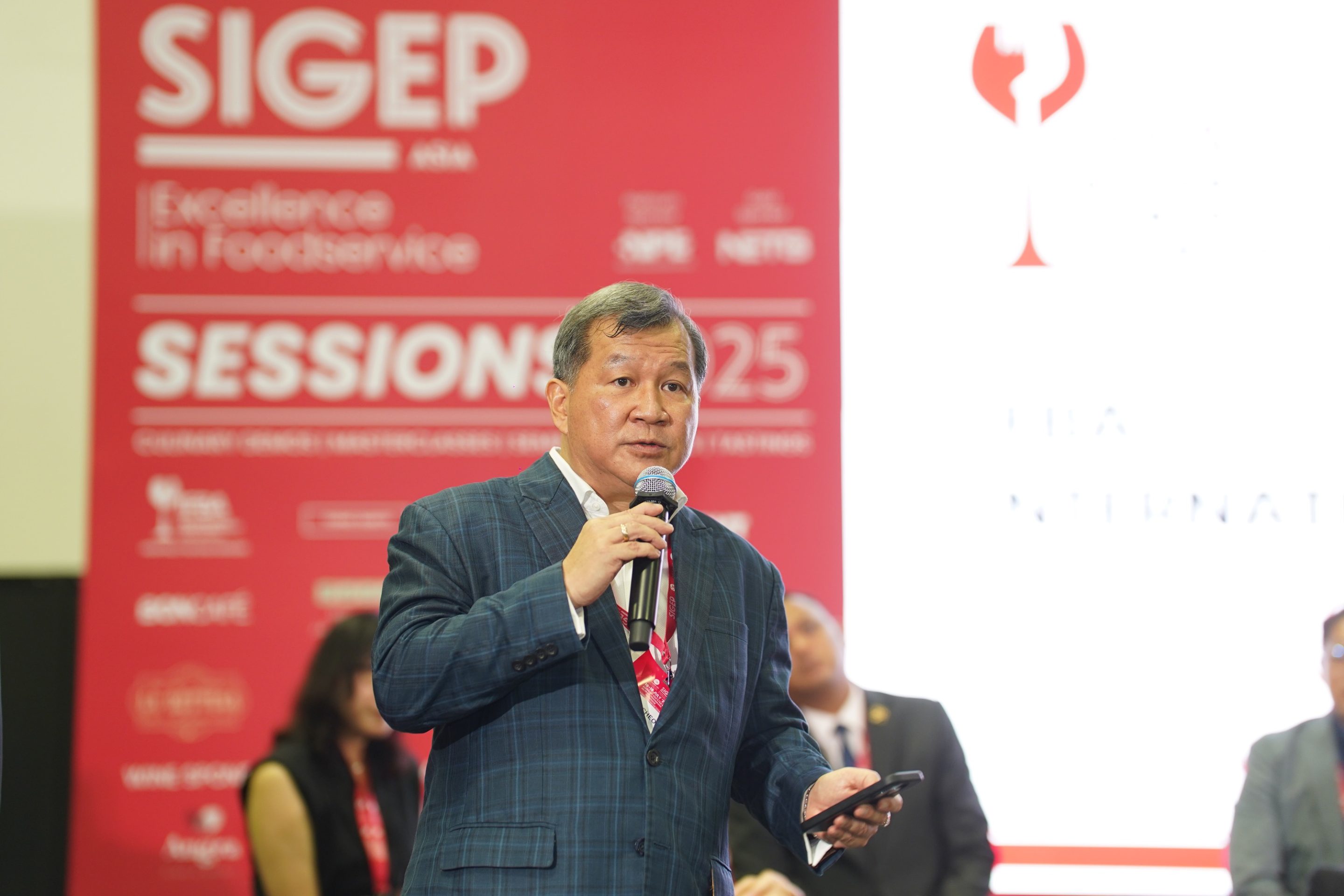
Above all, IFBA recognises the leadership of its President and Founder, Hai Poh Cheong, whose dedication, guidance and sustained commitment continue to shape the association’s direction and international growth. By fostering meaningful relationships across global hospitality communities, he has strengthened IFBA’s connections throughout Asia, Europe and the Americas. His ongoing commitment to partnership and community development remains central to the association’s progress.
Looking Forward: Building Momentum for 2026 and Beyond
The experiences and partnerships formed during this year’s programme are already shaping the direction of IFBA’s upcoming initiatives.
As we continue building our network across Asia-Pacific and beyond, these shared experiences reaffirm our commitment to supporting industry development, cultural understanding and long-term collaboration. The energy captured throughout the programme reflects the strength of our community and the value of bringing people together.
IFBA remains dedicated to creating opportunities that allow members to learn directly from industry leaders, broaden their perspectives and strengthen relationships across borders. We will continue deepening our network across ASEAN, Greater China, Europe and the Americas.
Our work continues, and the momentum generated this year will carry forward into a broader regional conversation about hospitality’s future. We look forward to welcoming partners, members and new delegates as the 2026 programme takes shape.
⇥ Explore the full SIGEP Asia & Restaurant Asia 2025 highlights, including the key moments, sector milestones, and major developments that shaped this year’s edition.