Driving Regional Transformation Through Logistics
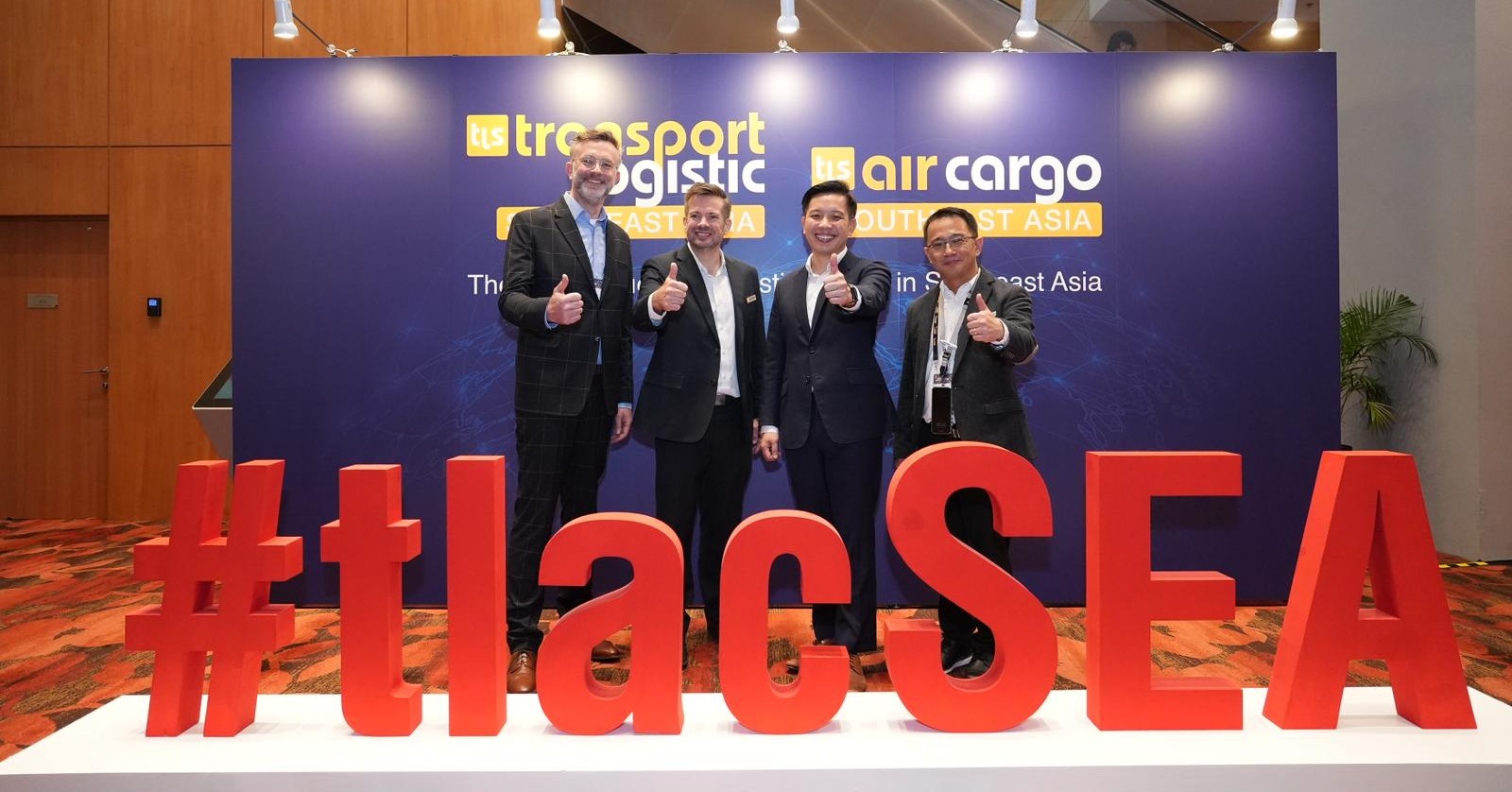
The Transport Logistic and Air Cargo Southeast Asia (tlac SEA 2025) exhibition, held from October 29–31, 2025, at Marina Bay Sands, Singapore, brought together leaders from across the global logistics, supply chain, and air cargo communities for a pivotal three-day event. Organized by MMI Asia, a subsidiary of Messe München, the exhibition welcomed over 10,000 logistics professionals, and 160+ expert speakers, reinforcing its position as Southeast Asia’s most influential logistics and air cargo showcase.
As Southeast Asia’s freight and logistics sector continues its rapid ascent, projected to reach USD 390 billion by 2030, the event underscored the growing importance of digitalization, sustainability, and collaboration in sustaining this momentum.
With more than 300 exhibitors representing global logistics, aviation, IT, and infrastructure, tlac SEA 2025 provided an essential platform for nations, businesses, and associations to explore collective progress in a fast-evolving supply chain landscape.
Michael Wilton, CEO of MMI Asia, described the vision best:
“tlac SEA 2025 is more than an exhibition. It’s a catalyst for regional transformation.” and noted that “The event will align differing national priorities with regional strategies and deliver practical solutions for long-term, sustainable growth.”
Showcasing Innovation and Regional Partnerships
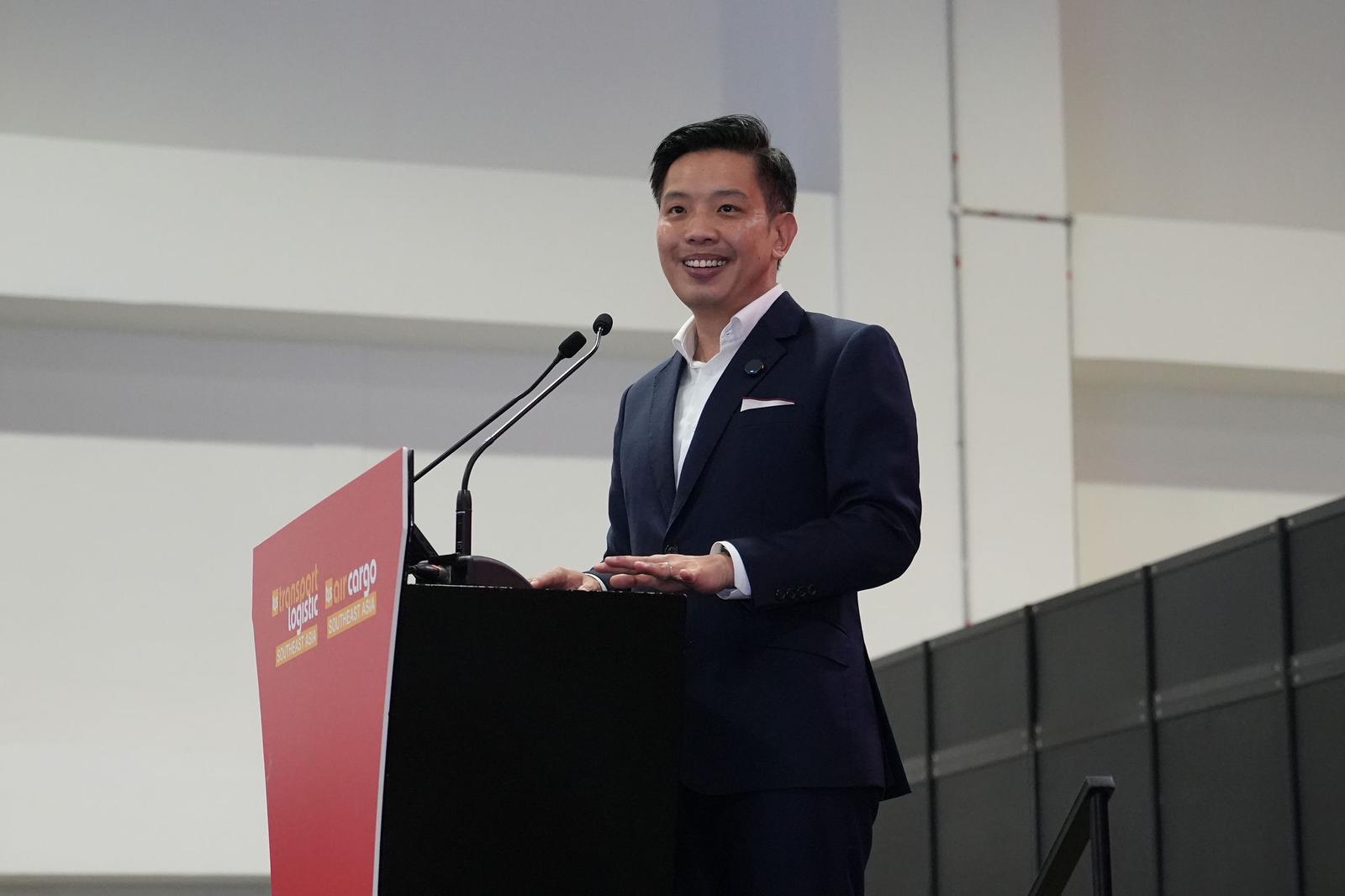
From the opening address by Singapore’s Minister of State Alvin Tan, the tone was set for an event focused on progress and partnership. His remarks emphasized the critical role of innovation, resilience, and cross-border cooperation in shaping the region’s sustainable growth.
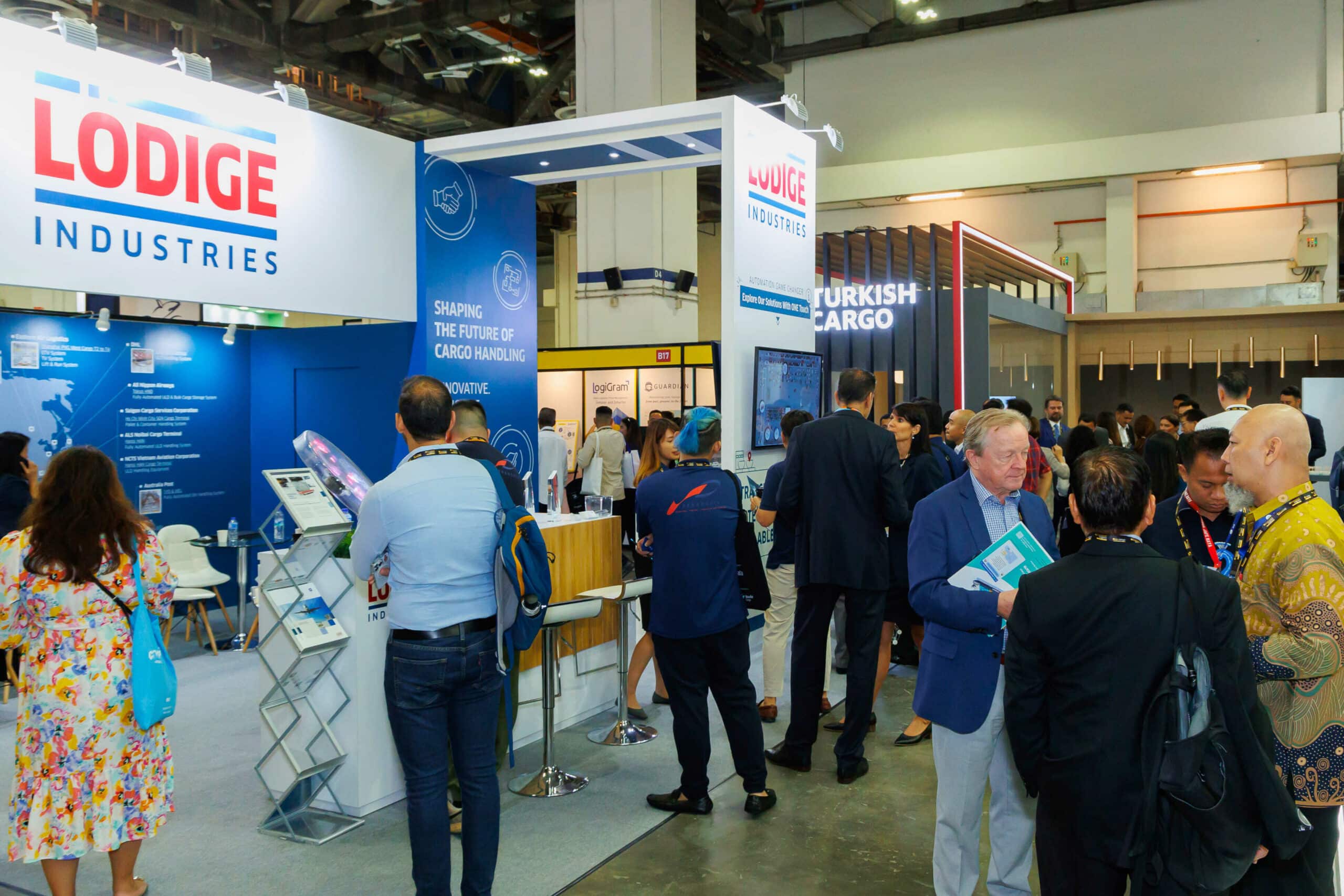
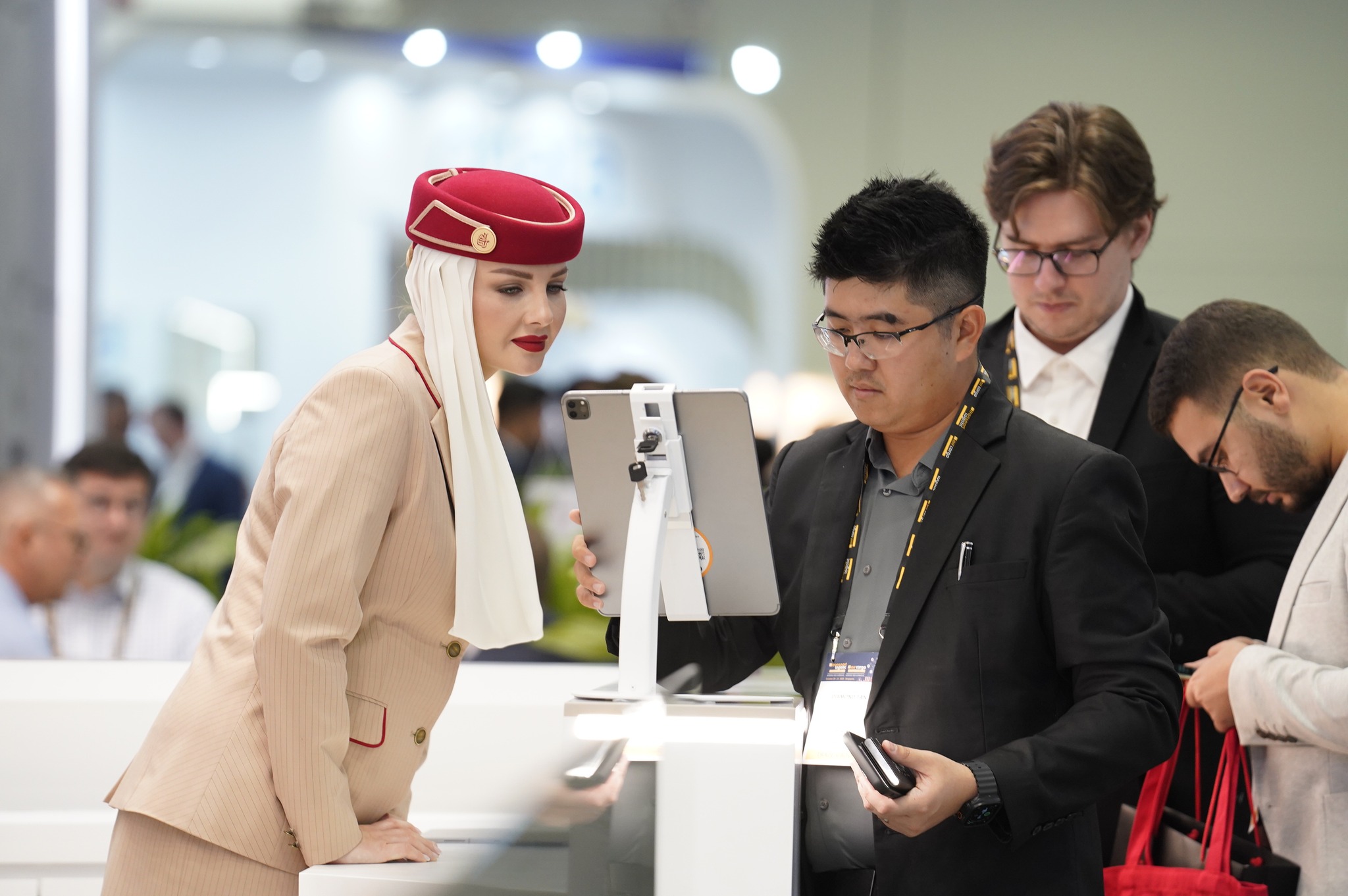
The exhibition showcased leading companies including Singapore Airlines, Qatar Airways, Emirates SkyCargo, Siemens, and Etihad Cargo, each presenting advancements in automation, green aviation, and smart logistics solutions. Emirates, in particular, captured attention with one of the event’s most striking two-level booths, highlighting the scale and ambition and scale driving Southeast Asia’s logistics transformation.
National pavilions from Singapore, Germany, China, and Taiwan reinforced opportunities for bilateral cooperation and government-industry partnerships.
IFBA’s Strategic Role as a Supporting Member
The International Food & Beverage Association (IFBA) proudly participated as a supporting member of tlac SEA 2025, reaffirming its role as a bridge between the logistics, trade, and food and beverage industries.
Beyond attendance, IFBA’s presence represented an ongoing commitment to collaboration, innovation, and cross-border efficiency, values that align perfectly with the event’s overarching mission. By engaging directly with logistics leaders and policymakers, IFBA continues to advocate for smarter, more sustainable food supply chains that support both economic growth and food security across the region.
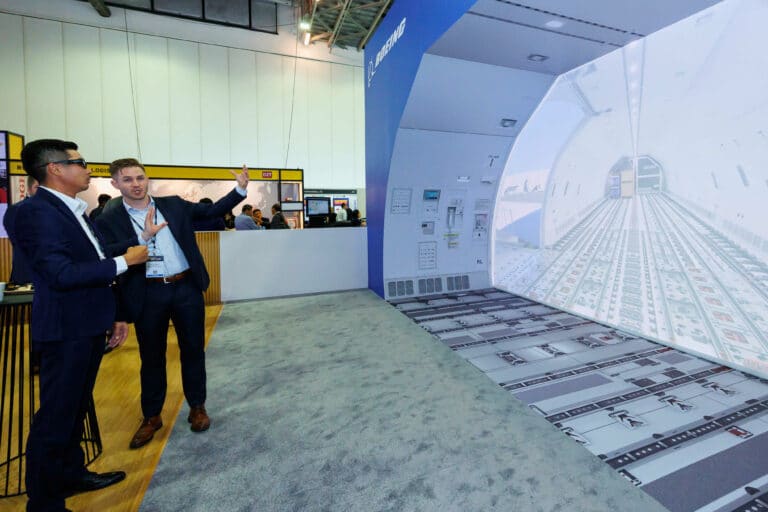
Mr. Cheong Hai Poh, President of IFBA, and Mr. Lionel Tay, a key representative of the association, attended sessions across different days, engaging with exhibitors and participating in the Johor–Singapore Special Economic Zone (JS–SEZ) Forum, one of the event’s highlights. Their participation reflected IFBA’s focus on building meaningful partnerships and strengthening regional connectivity.
The Johor–Singapore SEZ Forum: A Model of Collaboration
Held within the tlac SEA 2025 framework, the JS–SEZ Forum celebrated a year of tangible progress since the signing of the Johor–Singapore SEZ pact in early 2025. With over S$5.5 billion in Singapore-based investments already committed to Johor, the initiative exemplifies how collaboration can create shared prosperity.
The forum highlighted the complementary strengths of both nations—Singapore’s innovation and financial infrastructure alongside Johor’s manufacturing capacity and resources, laying the groundwork for growth in advanced manufacturing, digital services, logistics, and green industries.
For IFBA, this initiative represents a living example of regional cooperation that directly supports the food and beverage sector’s logistics backbone, enabling faster, greener, and more connected trade flows throughout ASEAN.
Empowering Smarter, Greener, and More Resilient Supply Chains
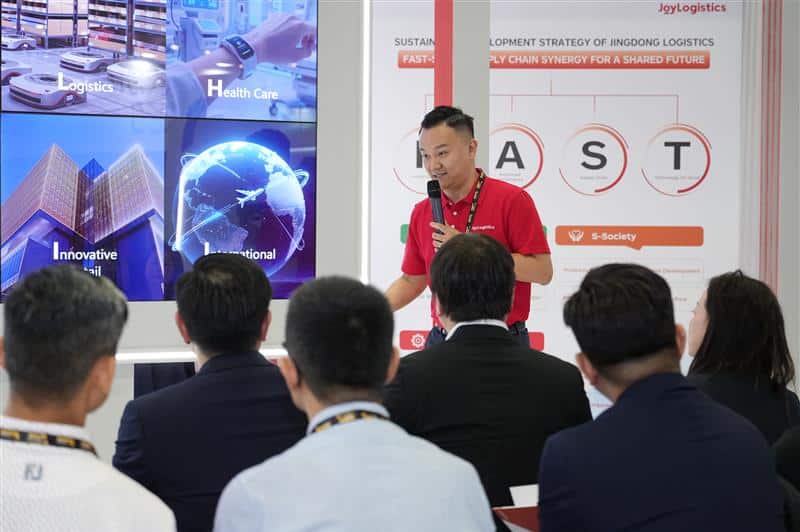
As global supply chains continue to evolve, IFBA remains dedicated to helping industries adapt to emerging challenges through collaboration and technology. Events like tlac SEA 2025 enable IFBA to champion digital transformation and sustainable growth across borders, fostering networks that benefit both businesses and communities.
Through its partnerships and active engagement, IFBA continues to strengthen its position as a key contributor in advancing the logistics and food distribution sectors, ensuring that innovation translates into inclusive, long-term impact.
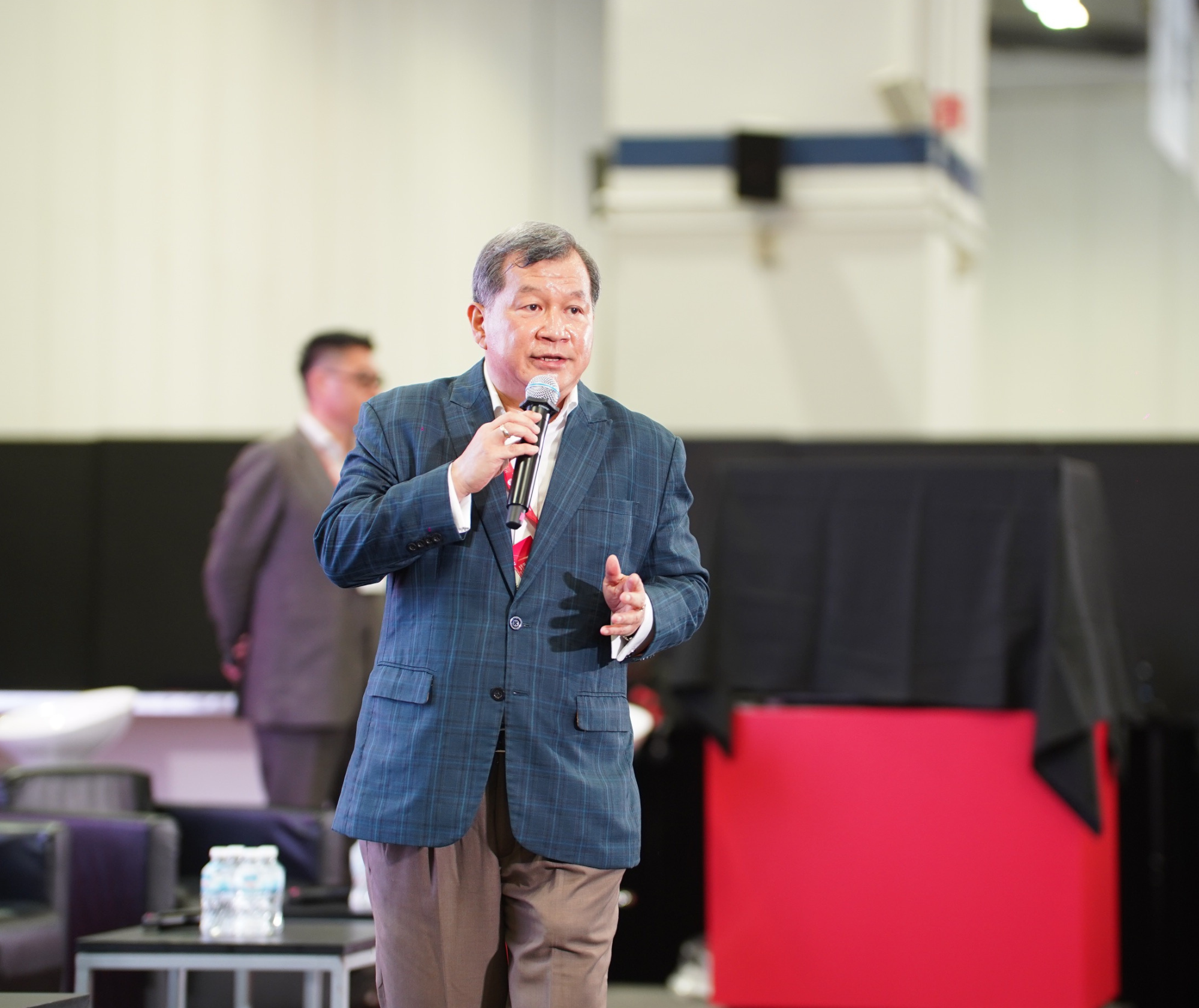
“The Johor–Singapore SEZ remains a once-in-a-generation opportunity to create a resilient, dynamic economic corridor of shared prosperity for Singapore, Johor, and the wider ASEAN region. Events like tlac SEA 2025 reaffirm the importance of innovation, resilience, and collaboration in shaping the region’s sustainable future.”
— Cheong Hai Poh, President, International Food & Beverage Association (IFBA)
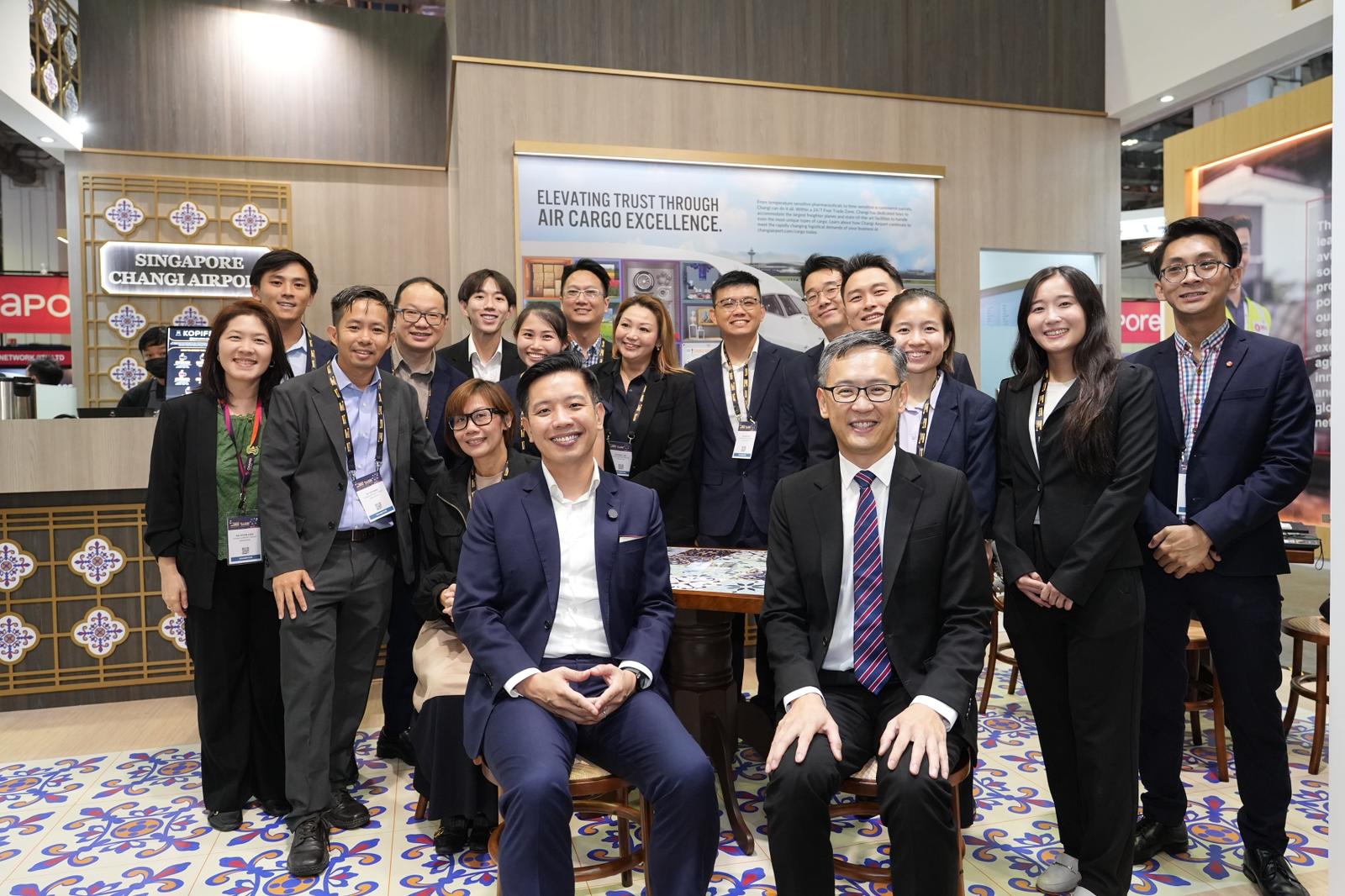
TLAC SEA 2025 Highlights — Day 1 to Day 3
Day 1 — Building Regional Resilience
The opening day featured impactful discussions on regional connectivity and cross-border growth, with Minister Alvin Tan’s keynote emphasizing ASEAN’s role as a rising logistics hub. Panels on supply chain resilience, air cargo innovation, and smart logistics explored how digital tools and human expertise are reshaping the future of logistics. The day concluded with a vibrant networking session, reinforcing IFBA’s commitment to fostering global partnerships and industry collaboration.
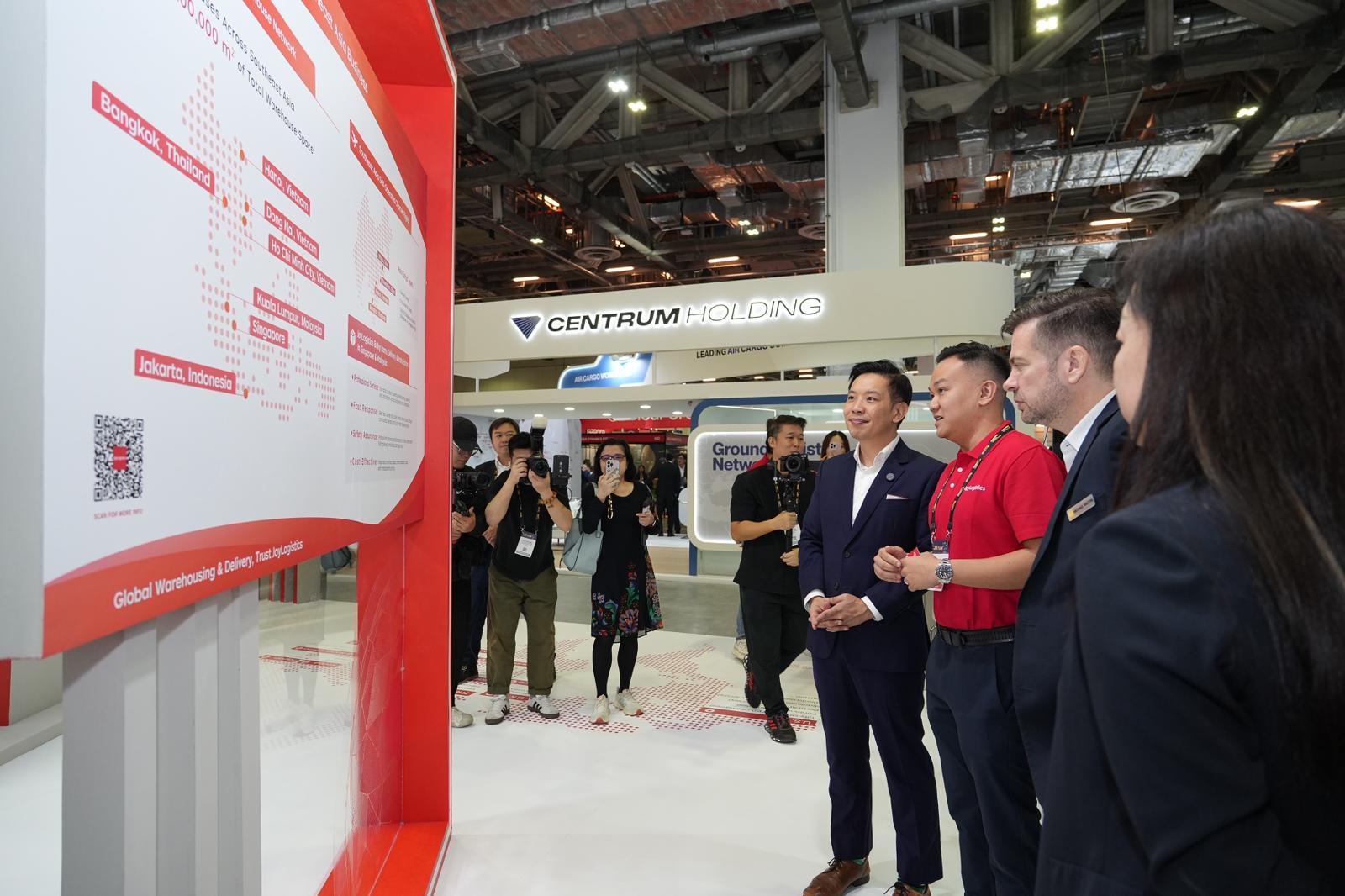
Day 2 — Innovation, Digitalisation, and Collaboration
Day 2 showcased sessions on supply chain modernization, smart infrastructure, and sustainable logistics. Highlights included discussions on Vietnam’s logistics transformation, AI-powered supply chains, and maritime digitalization. Industry leaders shared insights on optimizing trade flows, improving transparency, and strengthening sustainability through data-driven management.
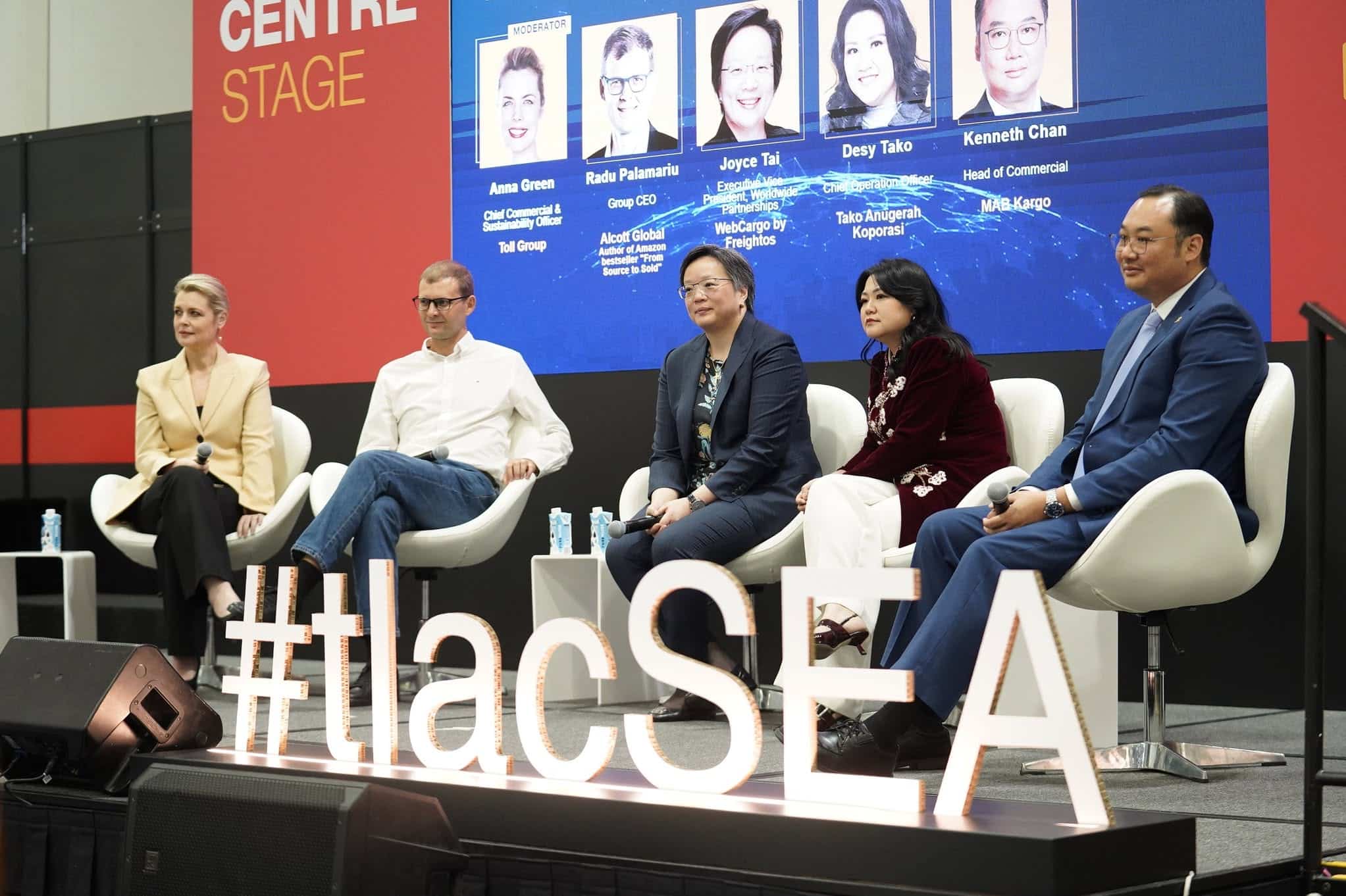
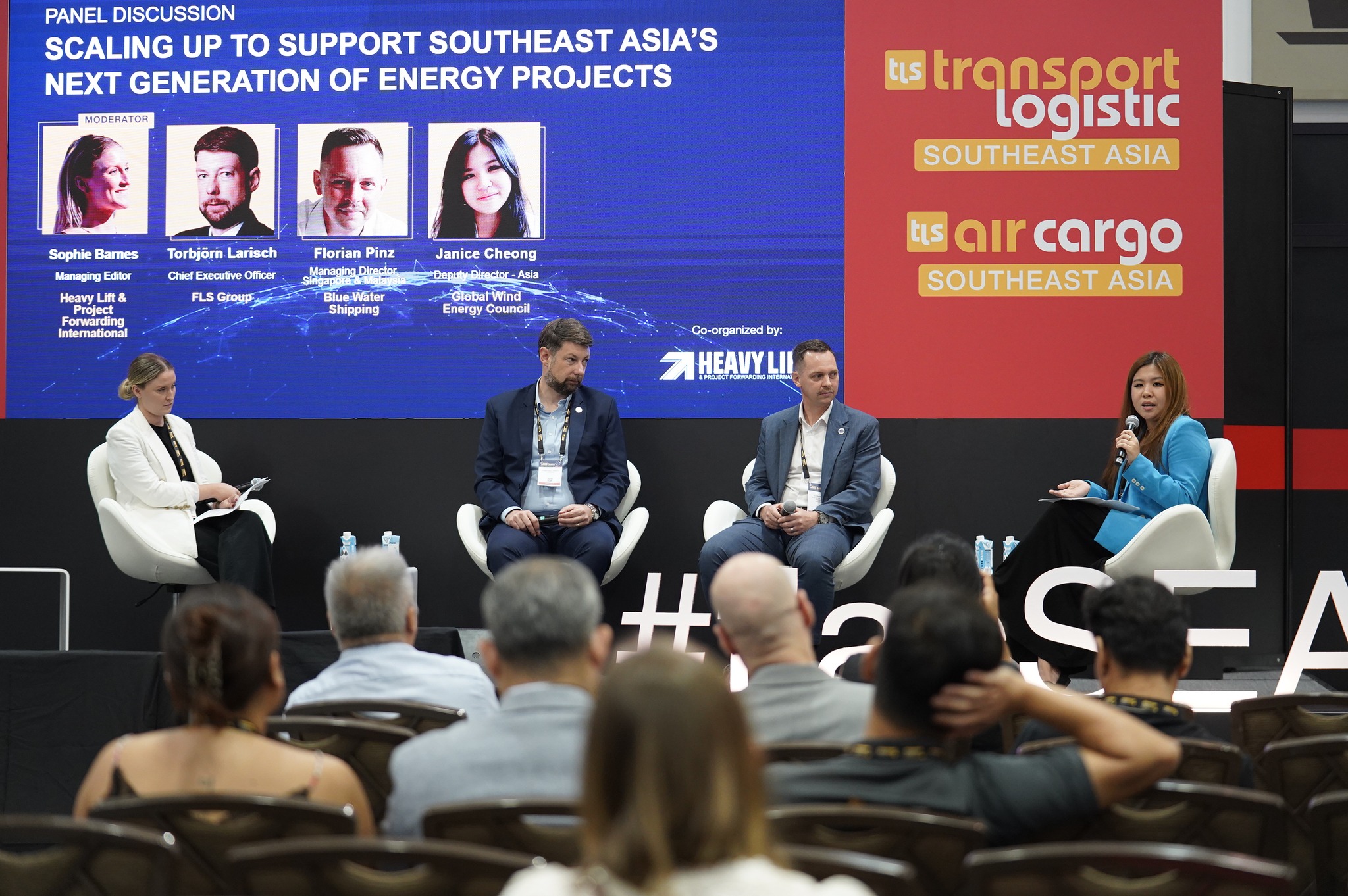
The LOGTech Day panel, co-organized with industry partners, emphasized carbon accountability, AI in logistics, and the integration of renewable energy across operations—reflecting the event’s forward-thinking vision for a greener future.
Day 3 — Future Leaders and a Connected Tomorrow
The final day of tlac SEA 2025 centered on talent development, innovation, and collaboration for sustainable growth. Panels explored Vietnam’s growing logistics role, the evolution of global maritime trade, and the power of digital transformation in logistics management.
Sessions such as “Building a Sustainable and Agile E-Commerce Supply Chain” and “Shaping the Future of Supply Chains – Navigating Transformation Successfully” offered deep insights into how companies can enhance efficiency and adapt to change. The event concluded with a fireside chat, “Beyond Borders: Building Seamless, Smart, and Sustainable Supply Chains”, underscoring the importance of collaboration in driving the global logistics landscape forward.
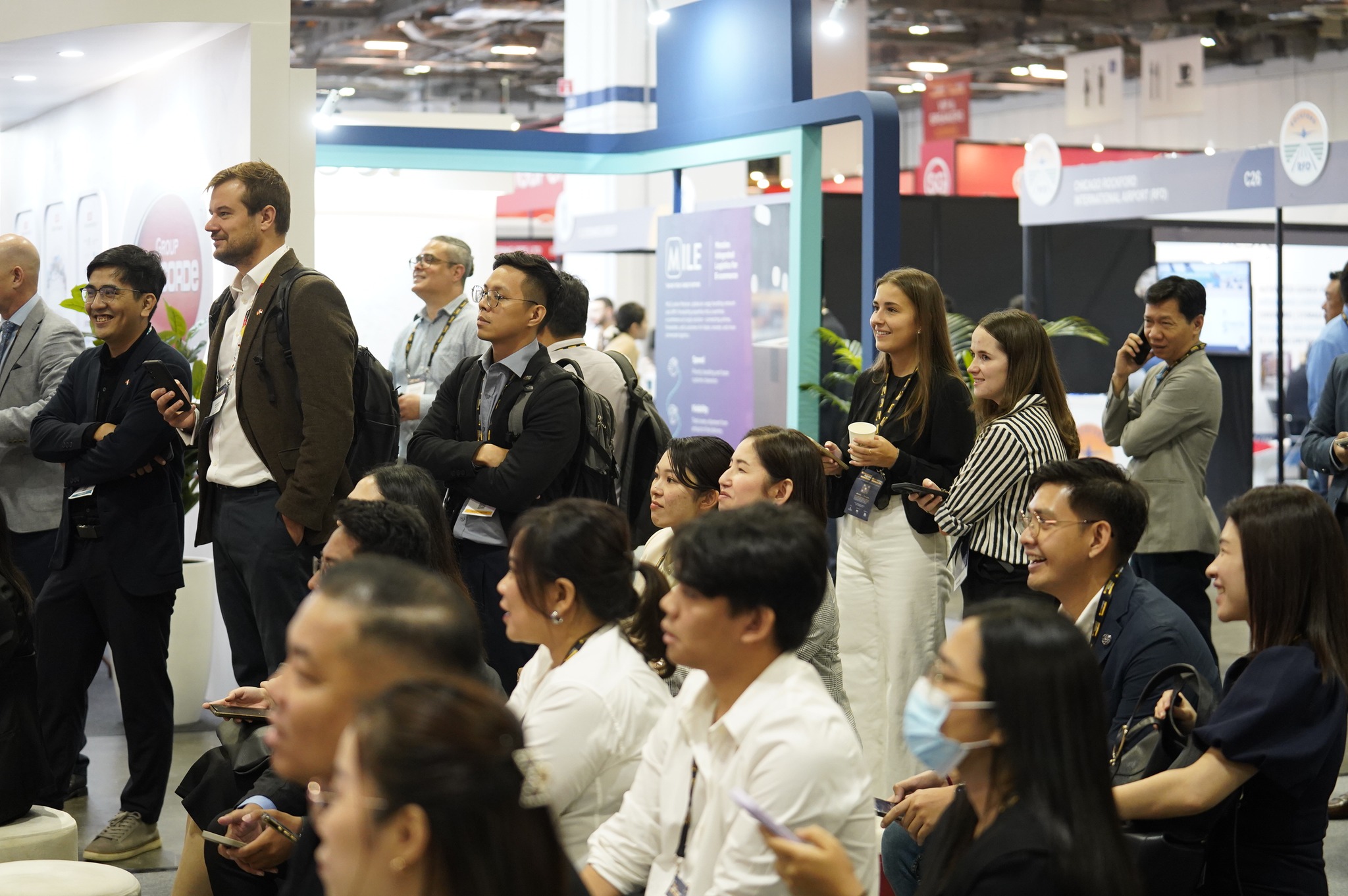
Industry Night — A Celebration of Community and Collaboration
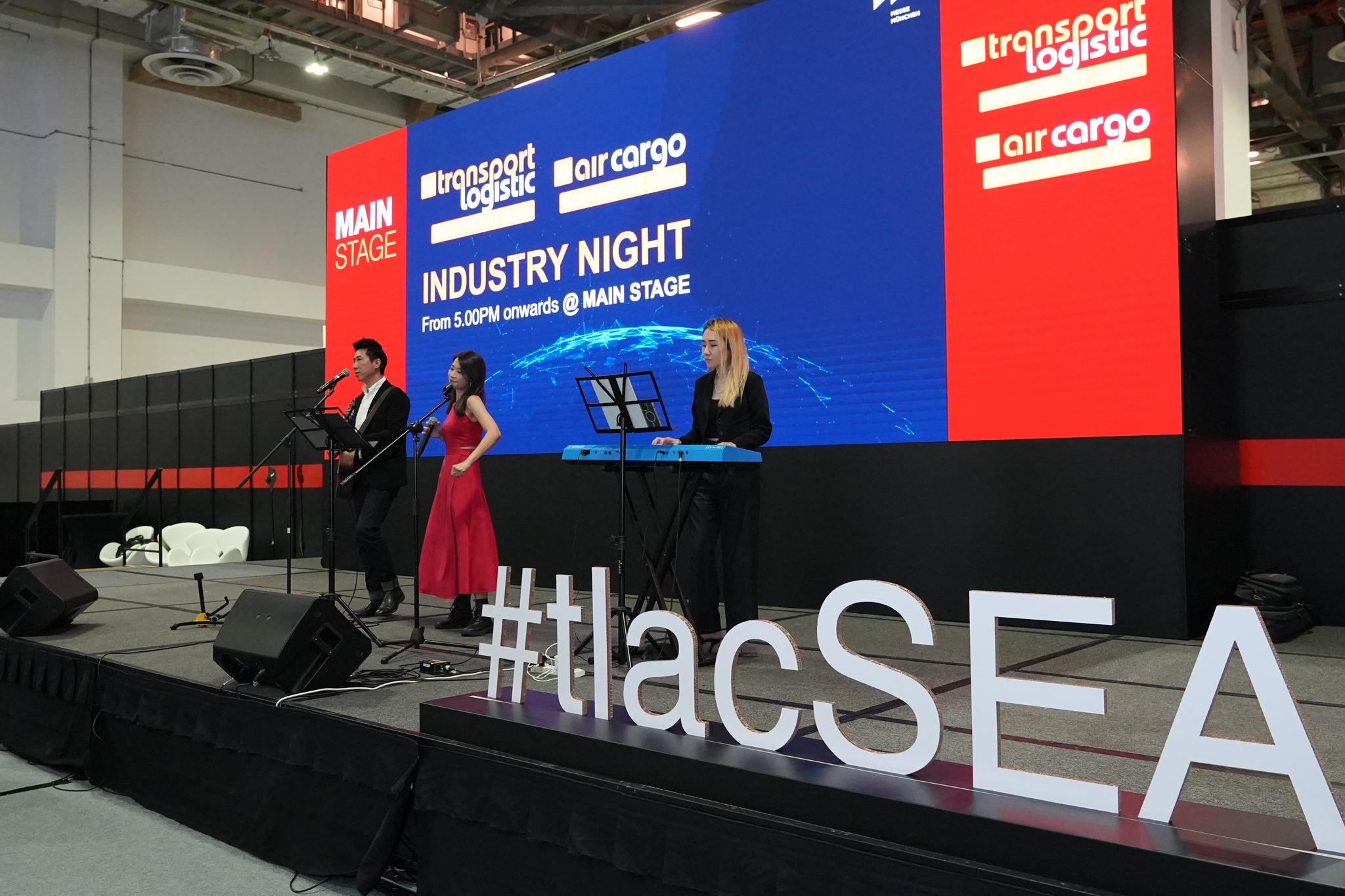
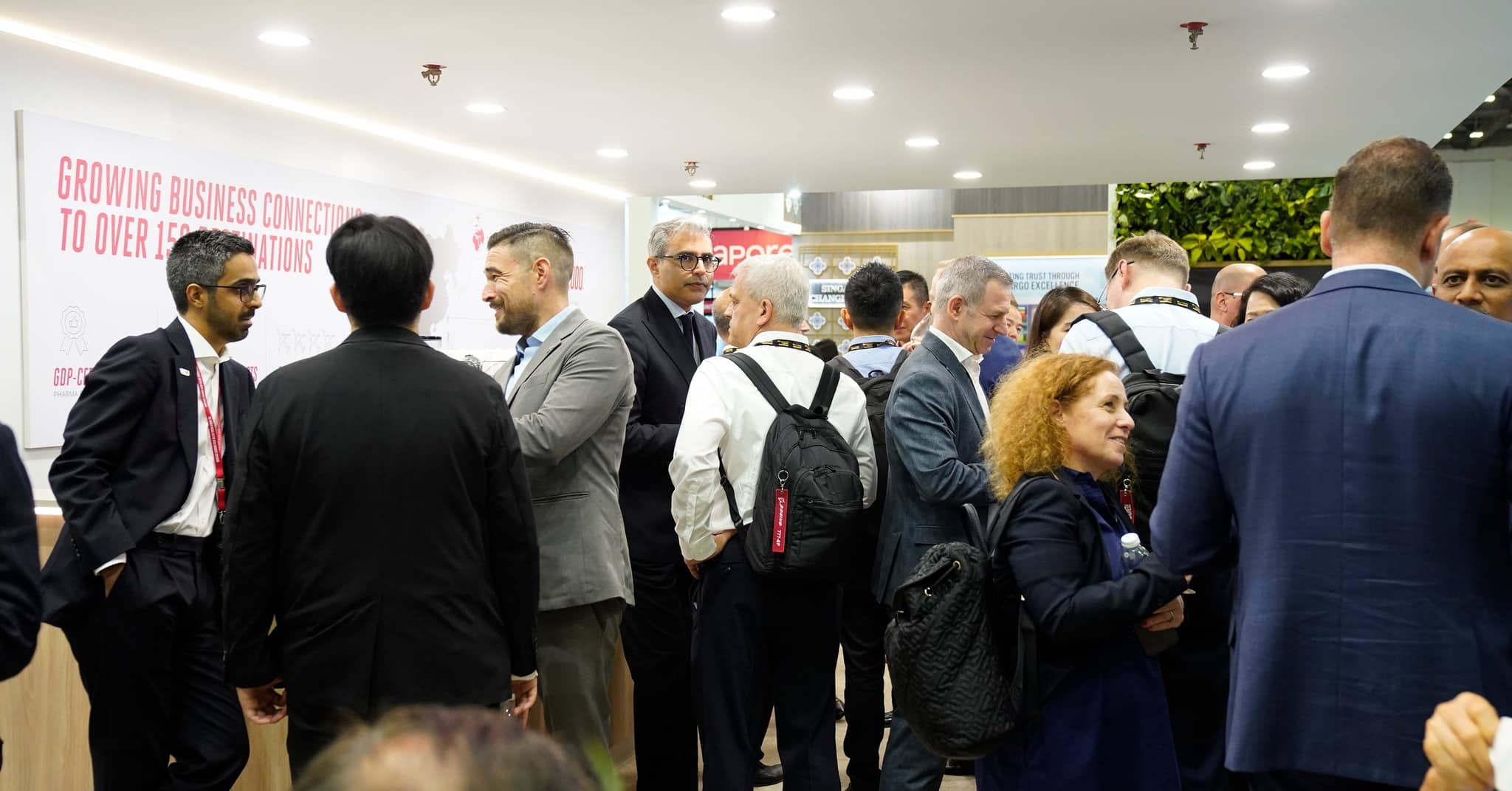
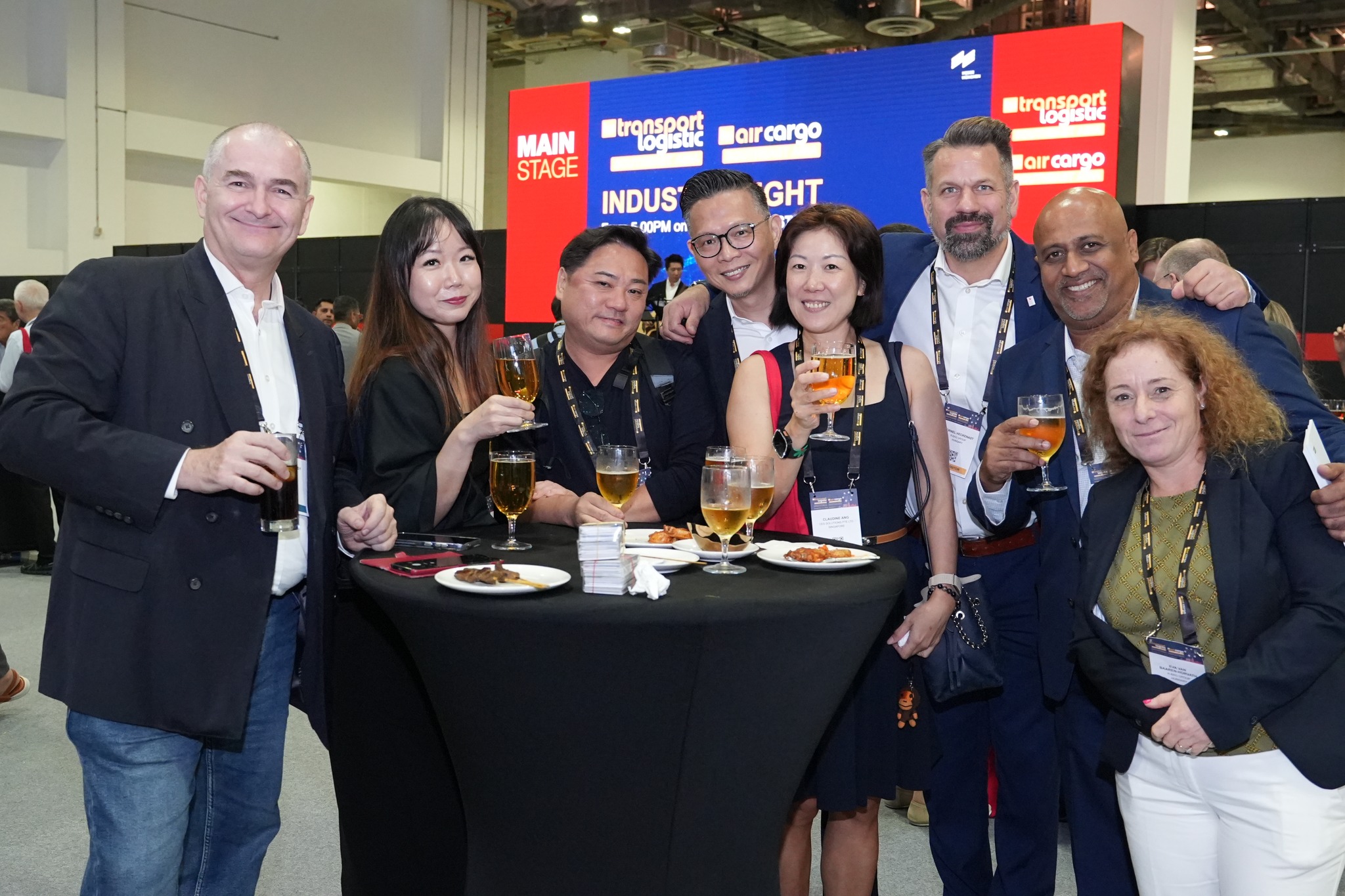
Industry Night at tlac SEA 2025 offered a lively and engaging evening for logistics, supply chain, and air cargo professionals from across the region. Held on the first night of the exhibition, the event brought together delegates, exhibitors, and partners in a relaxed environment that encouraged genuine conversation and new connections.
With music, light refreshments, and a buzzing atmosphere, Industry Night highlighted the social fabric of the logistics community—where partnerships often begin with a simple exchange between peers. It underscored the event’s role not only as a platform for business, but as a space where relationships, trust, and shared understanding are built.
Innovation Hub — The Future of Logistics on Display
One of tlac SEA 2025’s core attractions was the Innovation Hub, a forward-looking zone dedicated to next-generation logistics and supply chain technologies. Visitors were able to explore hands-on demonstrations showcasing:
- AI-driven route and capacity optimization
- predictive analytics for demand and risk forecasting
- robotics and autonomous warehouse systems
- IoT-based cargo tracking
- digital freight platforms
- real-time data visualization tools
- sustainable and energy-efficient automation technologies
The Innovation Hub confirmed what many industry leaders already acknowledge: the future of logistics lies in data-driven decision-making, automation, and advanced visibility solutions that allow operators to anticipate disruptions, improve efficiency, and deliver reliable performance at scale.
The Rise of Southeast Asia as a Global Logistics Powerhouse
Southeast Asia’s logistics landscape is undergoing one of the most rapid transformations globally, driven by booming e-commerce, diversification of global supply chains, and regional trade agreements such as RCEP. Countries like Vietnam, Malaysia, Indonesia, and Singapore are collectively emerging as a powerful logistics corridor connecting Asia, the Middle East, and Europe. The shift toward “China+1” sourcing patterns has increased demand for alternative manufacturing hubs, accelerating investment in ports, aviation, and digital logistics infrastructure across the region. tlac SEA 2025 highlighted how these changes are reshaping freight flows and creating new opportunities for multimodal transport, warehousing, cold-chain development, and cross-border collaboration across ASEAN.
Strengthening Cross-Border Food Security Through Regional Collaboration
As supply chains become more interconnected, food security increasingly depends on regional collaboration rather than country-specific policies. The importance of developing shared logistics corridors, harmonized safety standards, and coordinated emergency response mechanisms to protect the movement of essential goods during crises is crucial. IFBA has proactively been advocating for long-term food resilience, and raising concerns of how events such as pandemics, geopolitical tensions, and climate-related disruptions can threaten food availability if logistics networks are not sufficiently integrated.
By working with logistics providers, port authorities, airport operators, and policymakers, IFBA is promoting a framework that supports uninterrupted food flows across ASEAN—even during disruptions.
Sustainability as a Competitive Advantage, Not a Requirement
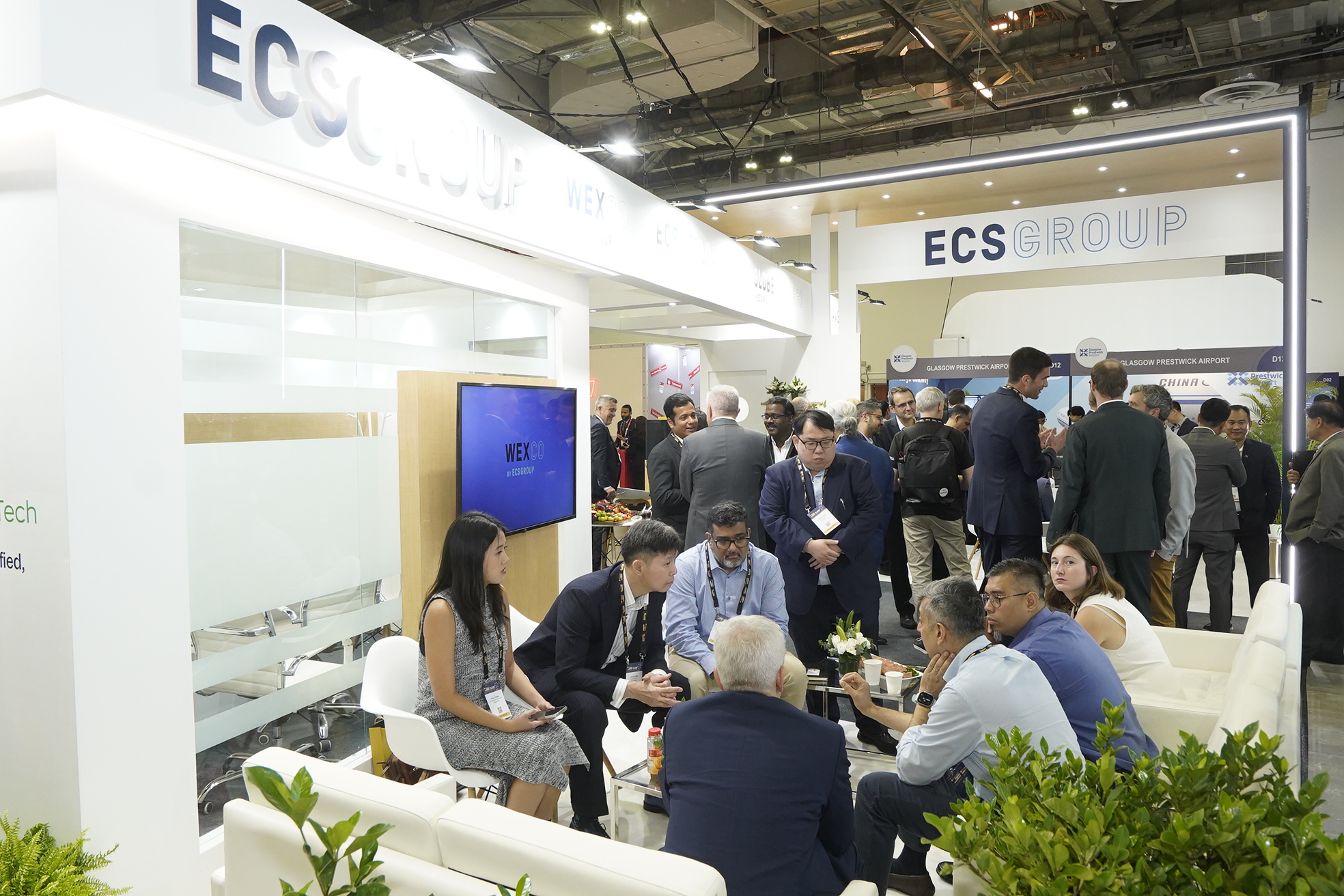
Sustainability was not merely presented as an obligation—at tlac SEA 2025, it was framed as a competitive differentiator. Companies showcased innovations in fuel-efficient air cargo operations, green warehousing, renewable-powered logistics parks, and low-carbon fleet solutions. With increasing regulatory pressure and rising customer expectations, logistics providers that invest early in ESG strategies will hold an advantage in winning long-term contracts, meeting compliance demands, and retaining environmentally conscious partners. The event highlighted a shift from “sustainability as cost” to “sustainability as strategy,” signalling a new era where green logistics plays a defining role in commercial success.
Sustainable F&B Logistics and the Rise of Green Supply Corridors
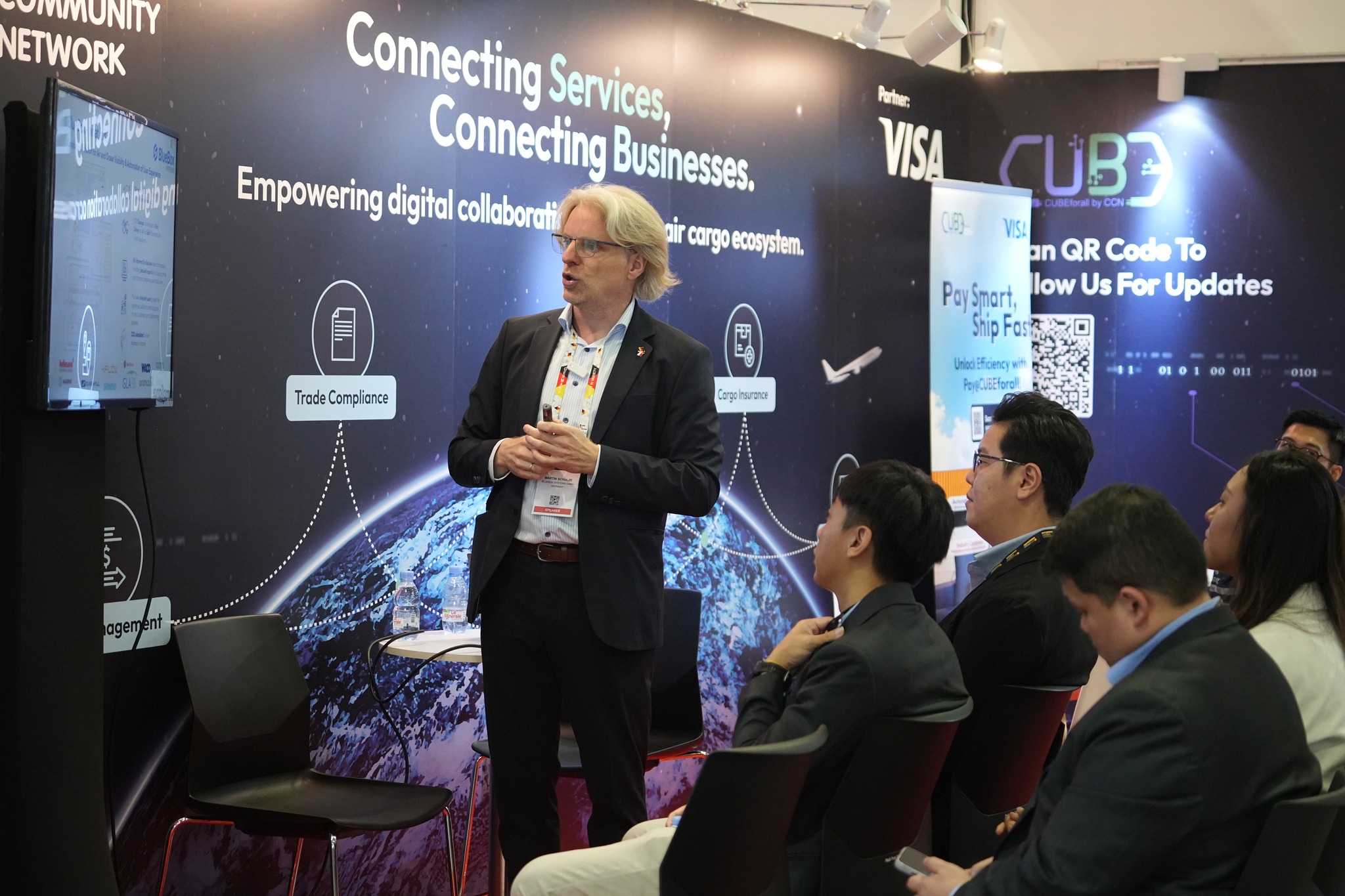
Sustainability was a defining theme throughout tlac SEA 2025, underscoring its critical importance for the food and beverage supply chain. As global expectations shift toward greener operations, the F&B sector faces increasing pressure to reduce waste, lower emissions, and adopt environmentally responsible logistics practices.
At the event, was highlighted the emergence of green supply corridors—integrated, low-carbon transport routes that optimize multimodal efficiency through cleaner fuels, energy-efficient warehousing, and digital carbon-tracking tools. These corridors represent the next stage of sustainable logistics across ASEAN, especially as governments invest in renewable energy infrastructure and carriers adopt SAF (Sustainable Aviation Fuel), electric fleets, and advanced packaging solutions.
By promoting these innovations, IFBA is advocating for a regional F&B ecosystem that is not only efficient but also aligned with global sustainability standards. The association’s message was clear: the future of food logistics must balance speed and reliability with responsible environmental stewardship.
Digital Trade Corridors and the Future of Cross-Border Integration
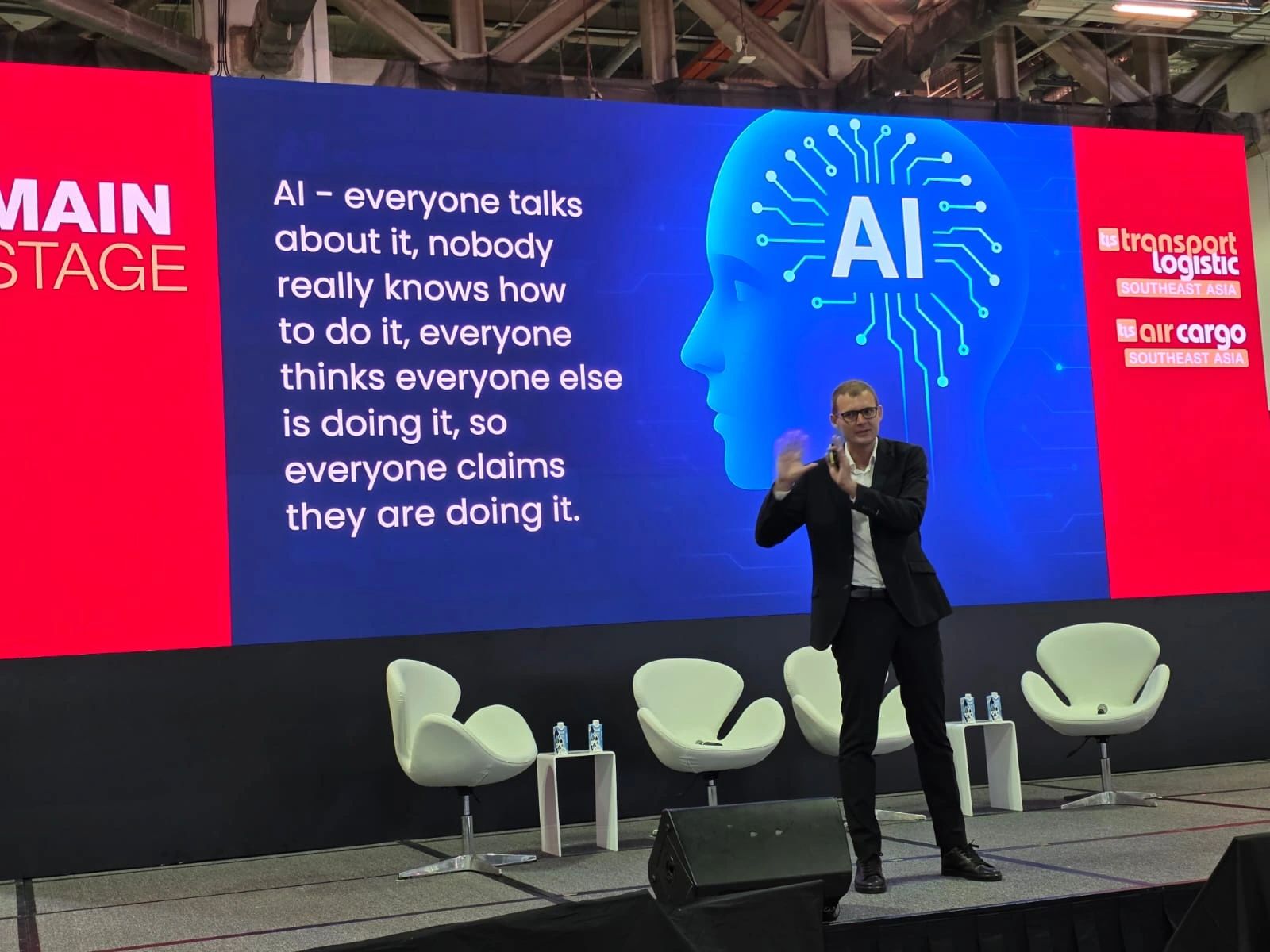
Another major theme gaining attention was the development of digital trade corridors linking Southeast Asian economies. As supply chains become more interconnected, governments and industry players are jointly building systems that digitize customs processes, harmonize documentation, and increase the visibility of goods in transit. Talks during tlac SEA 2025 highlighted the potential of blockchain-enabled certificates, unified e-logistics platforms, and real-time data-sharing frameworks that can reduce border delays from days to hours. These digital corridors will form the backbone of ASEAN’s future trade competitiveness, enabling smoother cross-border flows and strengthening the region’s position in global value chains.
Air Cargo Transformation: Efficiency, Automation, and Capacity Growth
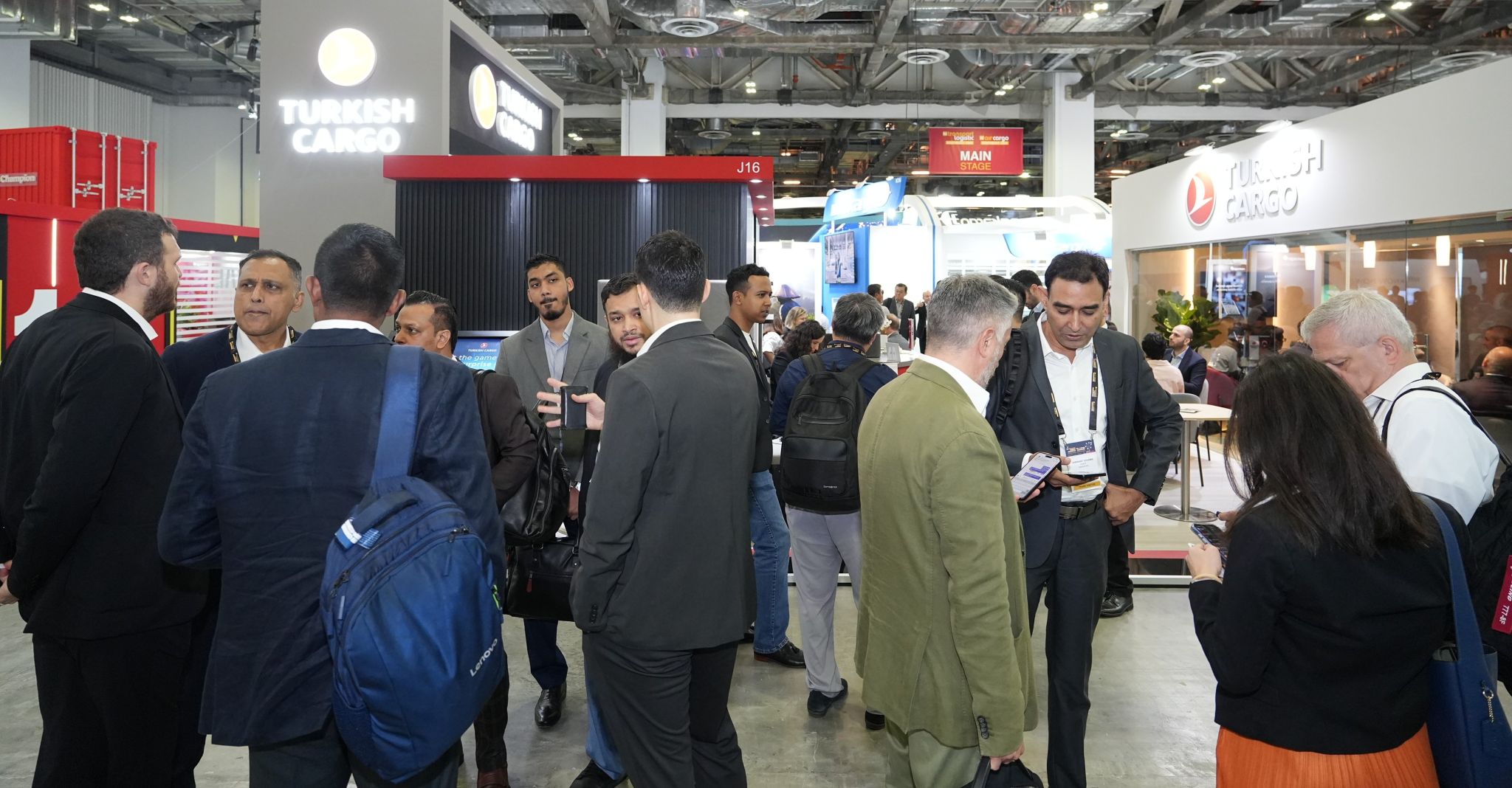
Air cargo emerged as a critical focus area, with airlines and airport operators outlining strategies to support rising freight demand across Asia. Discussions covered the expansion of regional air hubs, the modernization of cargo terminals, autonomous ground handling, and digital booking systems that reduce friction and improve transparency. As e-commerce drives higher volumes of international shipments, industry players are working toward expanded cargo capacity, smarter routing, and energy-efficient operations. tlac SEA 2025 showcased how air cargo is evolving from a traditional operational segment into a digitally enabled, customer-centric service ecosystem.
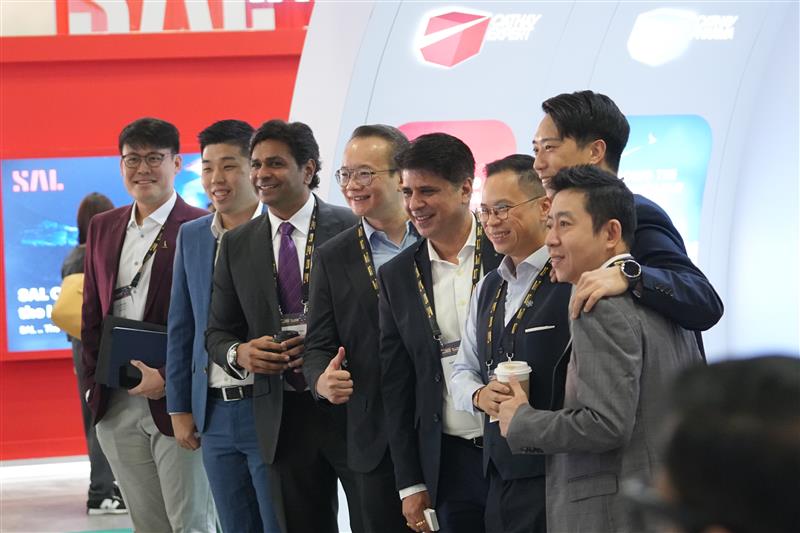
Workforce Transformation & the Logistics Talent Gap
tlac SEA 2025 addressed one of the region’s most pressing challenges: talent. Despite rapid digital advancement, many logistics companies continue to face shortages in skilled labor for areas such as automation, AI systems, data analytics, and cold-chain management. The event emphasized that the future of logistics depends heavily on reskilling and upskilling. Speakers called for practical training frameworks, industry-academia partnerships, and government support to ensure the logistics workforce remains adaptable and future-ready. With technology adoption accelerating across ASEAN, talent development is emerging as a strategic priority for the sector.
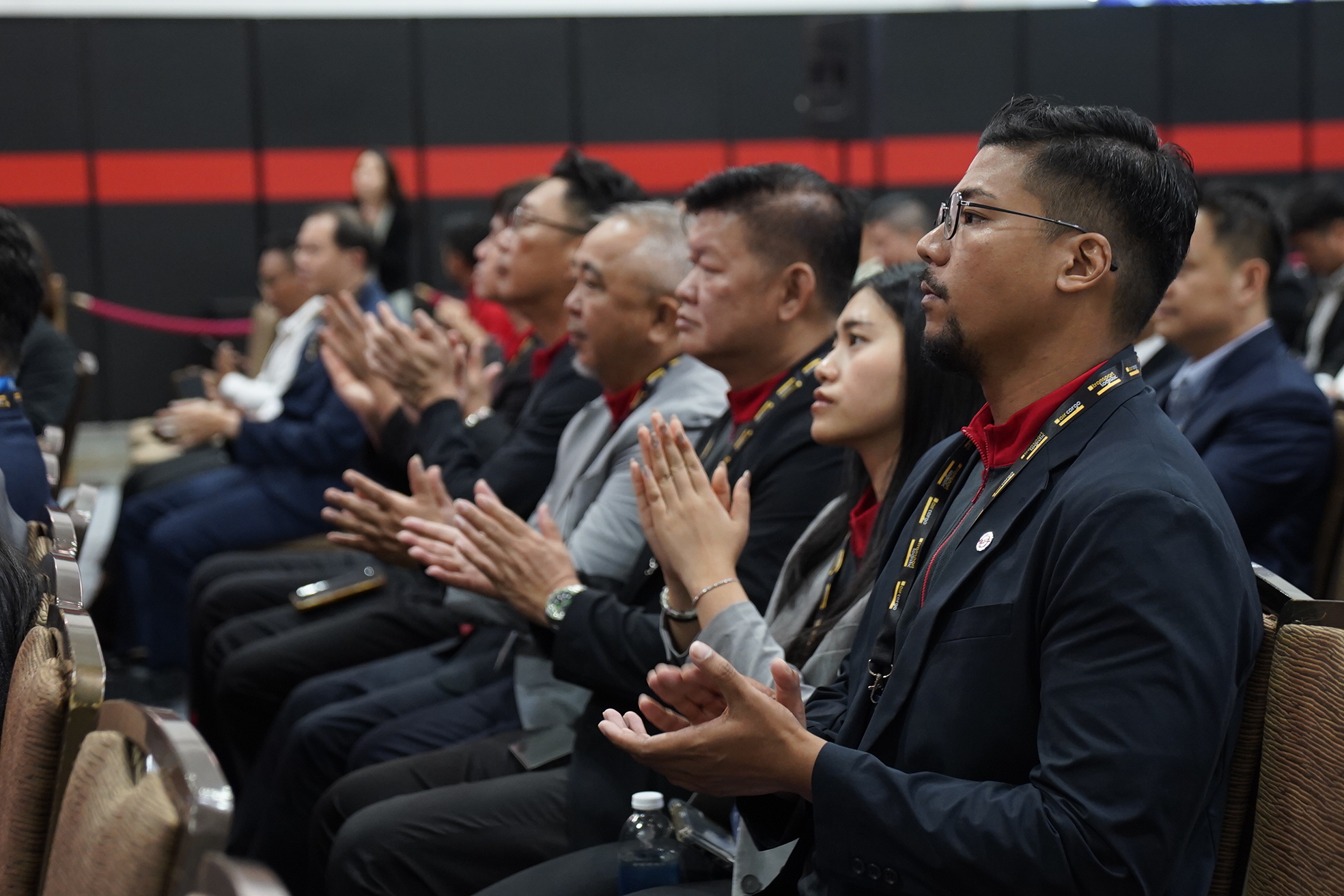
IFBA’s Commitment to a Future-Ready F&B Ecosystem
As the regional logistics ecosystem evolves, IFBA’s role extends far beyond event participation—it is actively shaping the policies, collaborations, and innovation pathways that will define the future of food movement across ASEAN. By engaging with infrastructure developers, air cargo operators, digital solution providers, and government agencies, IFBA is working to ensure that the needs of the food and beverage sector are embedded in the region’s broader logistics transformation. Whether advocating for smarter cold-chain networks, harmonised food safety standards, or interoperable digital platforms, the association continues to push for integrated solutions that strengthen both commercial competitiveness and public wellbeing. Through sustained dialogue and strategic partnerships, IFBA is laying the groundwork for a more resilient, transparent, and cooperative food logistics framework that will support regional growth for years to come.
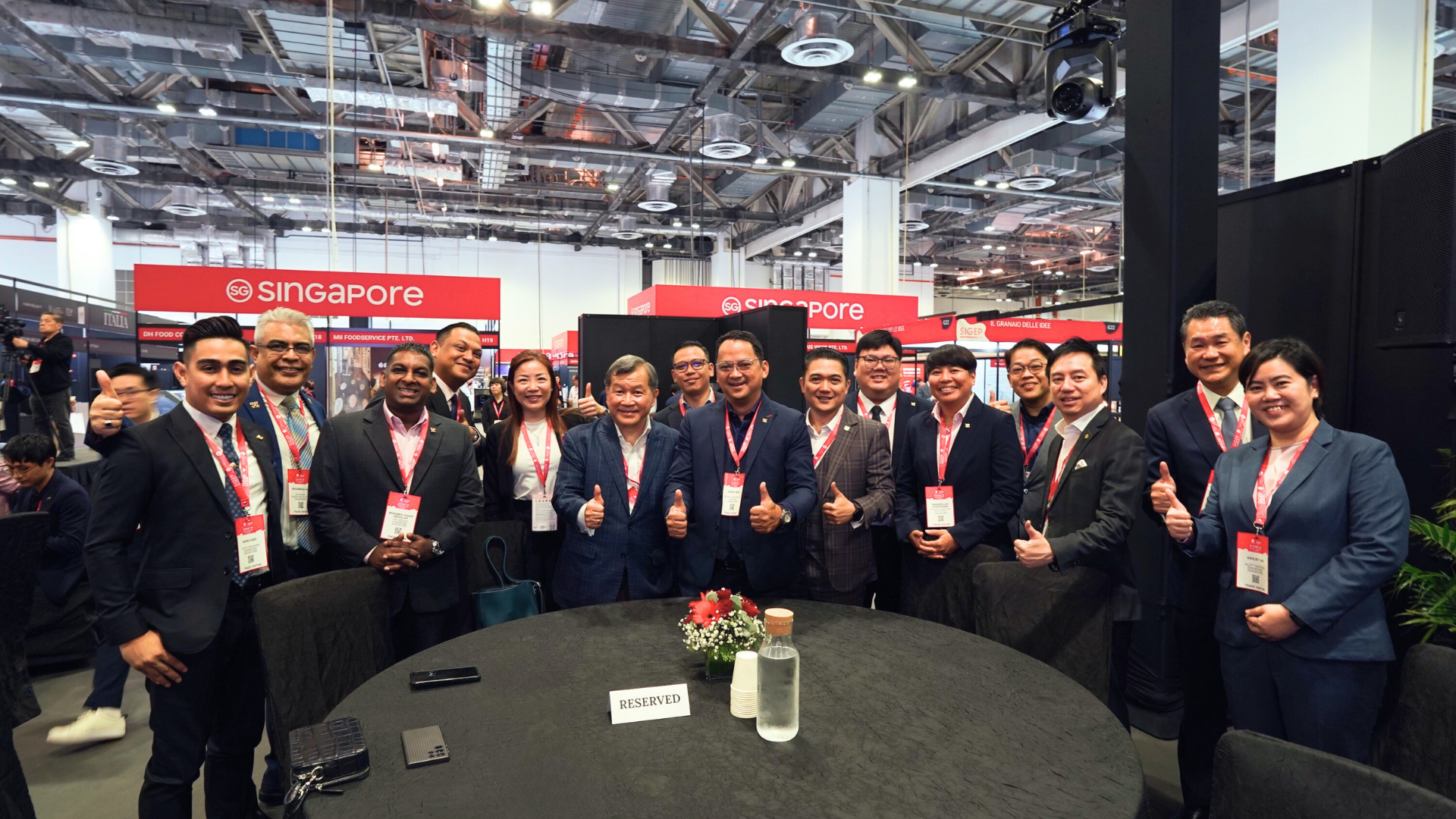
What’s Next: Looking Ahead
As tlac SEA 2025 concludes, its message is clear, collaboration is the foundation of transformation. The International Food & Beverage Association remains committed to advancing regional logistics through strategic partnerships, sustainable initiatives, and active industry engagement.
From digital integration to cross-border cooperation, IFBA’s role at tlac SEA 2025 reinforces its mission to build a smarter, more resilient, and more connected future for the global food and beverage industry.