
Insights on F&B and Hospitality Innovation, Cultural Tourism & Regional Cooperation
SIGEP Asia & Restaurant Asia 2025 marked one of its strongest editions to date, bringing together 449 exhibitors from 41 countries and drawing more than 12,000 trade visitors, buyers, and industry leaders to Marina Bay Sands. The show expanded its role beyond a product and innovation showcase, establishing itself as a platform for meaningful dialogue on the future of foodservice and hospitality in Asia.
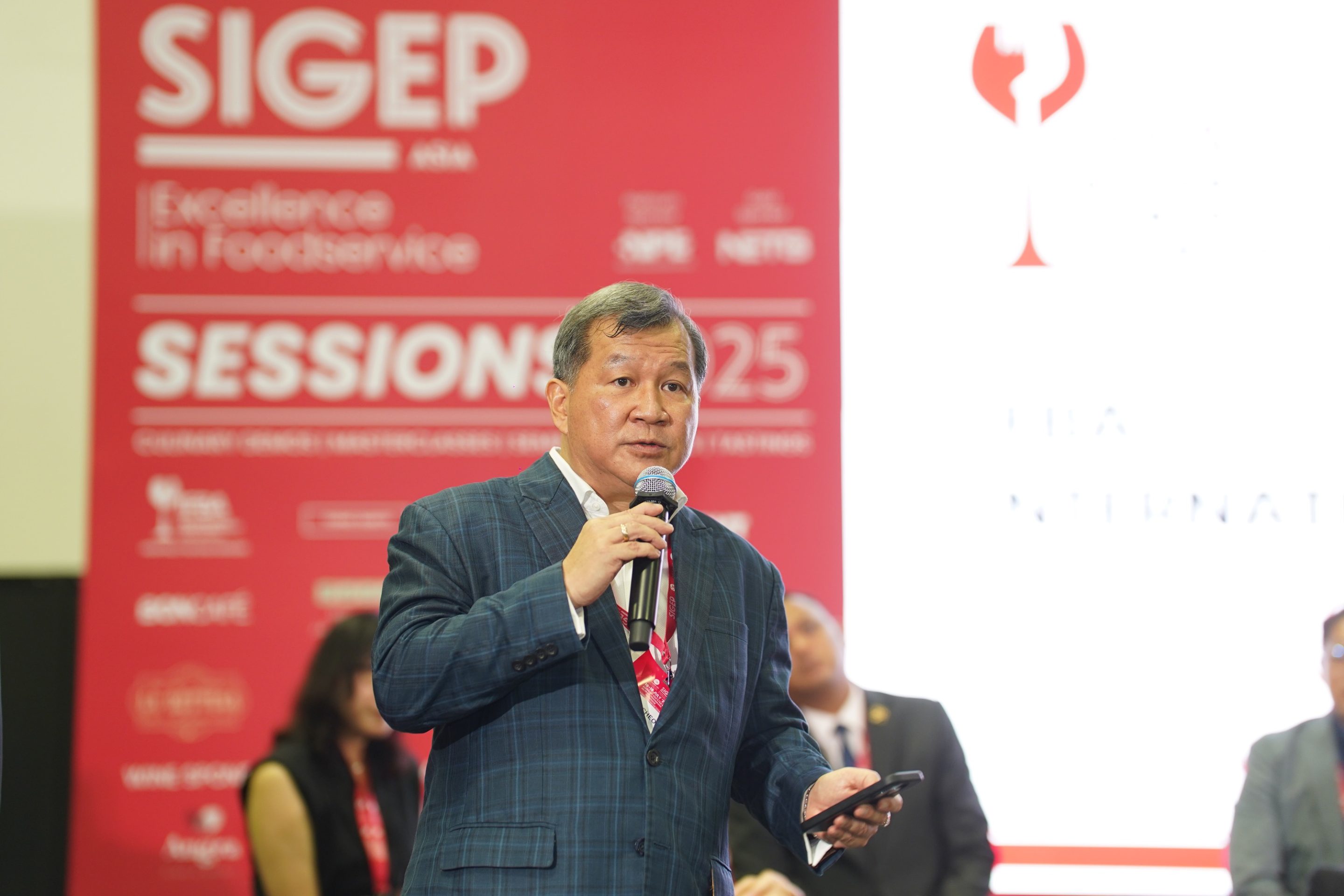
The International Food & Beverage Association took on a central role in shaping that dialogue. Two IFBA forums were featured in the official programme, positioned alongside SIGEP’s curated pavilions, demonstrations, and business-matching sessions. Together, the IFBA International Forum 2025 and the IFBA Asia-Pacific & China Forum added strategic depth to the event and quickly became anchor points of the three-day programme.
- The IFBA International Forum 2025, focused on innovation, sustainability, consumer behaviour, and workforce transformation.
- The IFBA Asia-Pacific & China Forum, centred on cultural tourism, Belt-and-Road cooperation, and the overseas development of Chinese ethnic hotel brands.
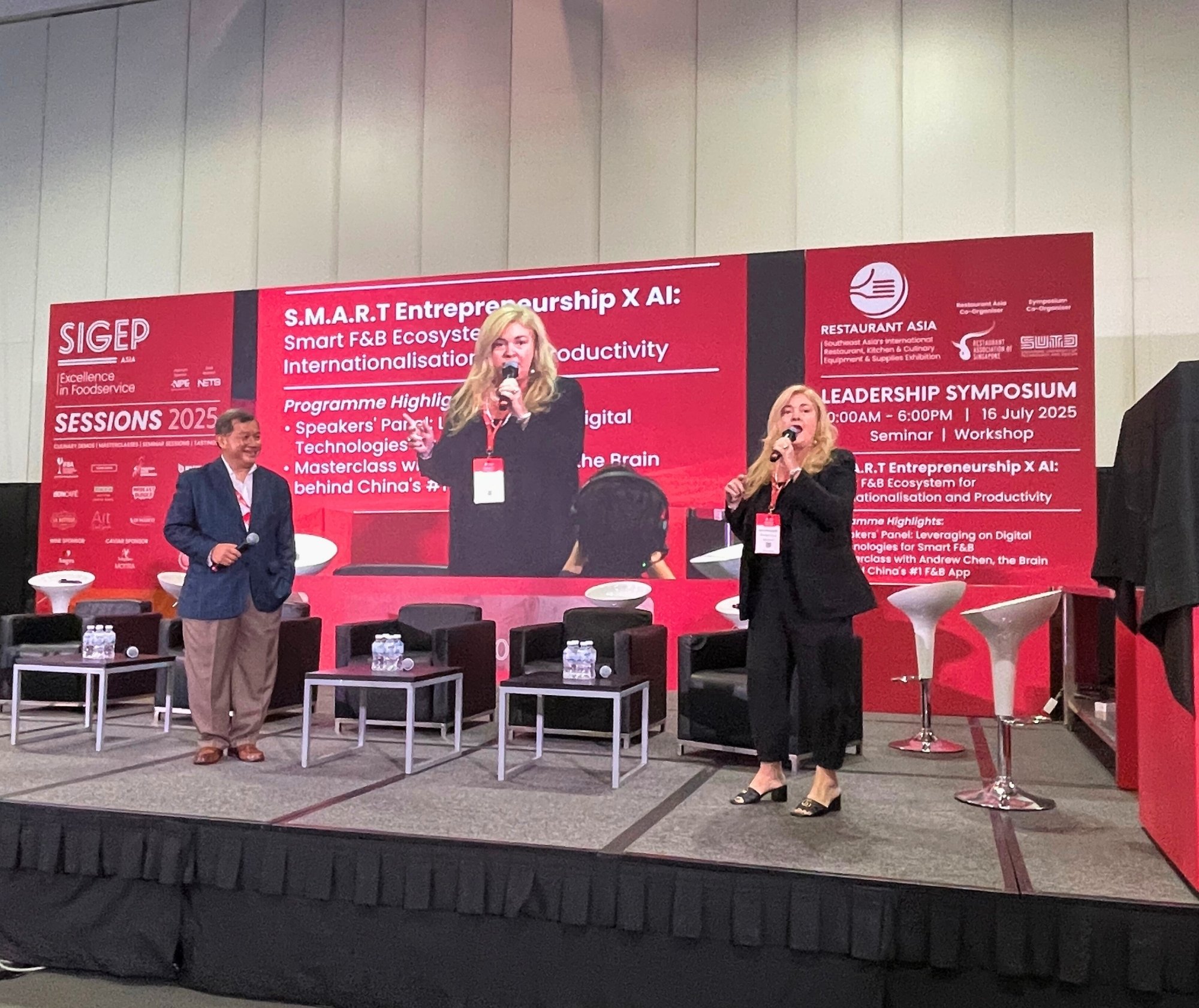
Across the sessions, speakers emphasised the need for closer coordination between countries, associations, and industry partners. It was a consistent reminder of how shared challenges are increasingly shaping shared solutions. This set the stage for two substantial conversations that defined IFBA’s presence at SIGEP Asia 2025.
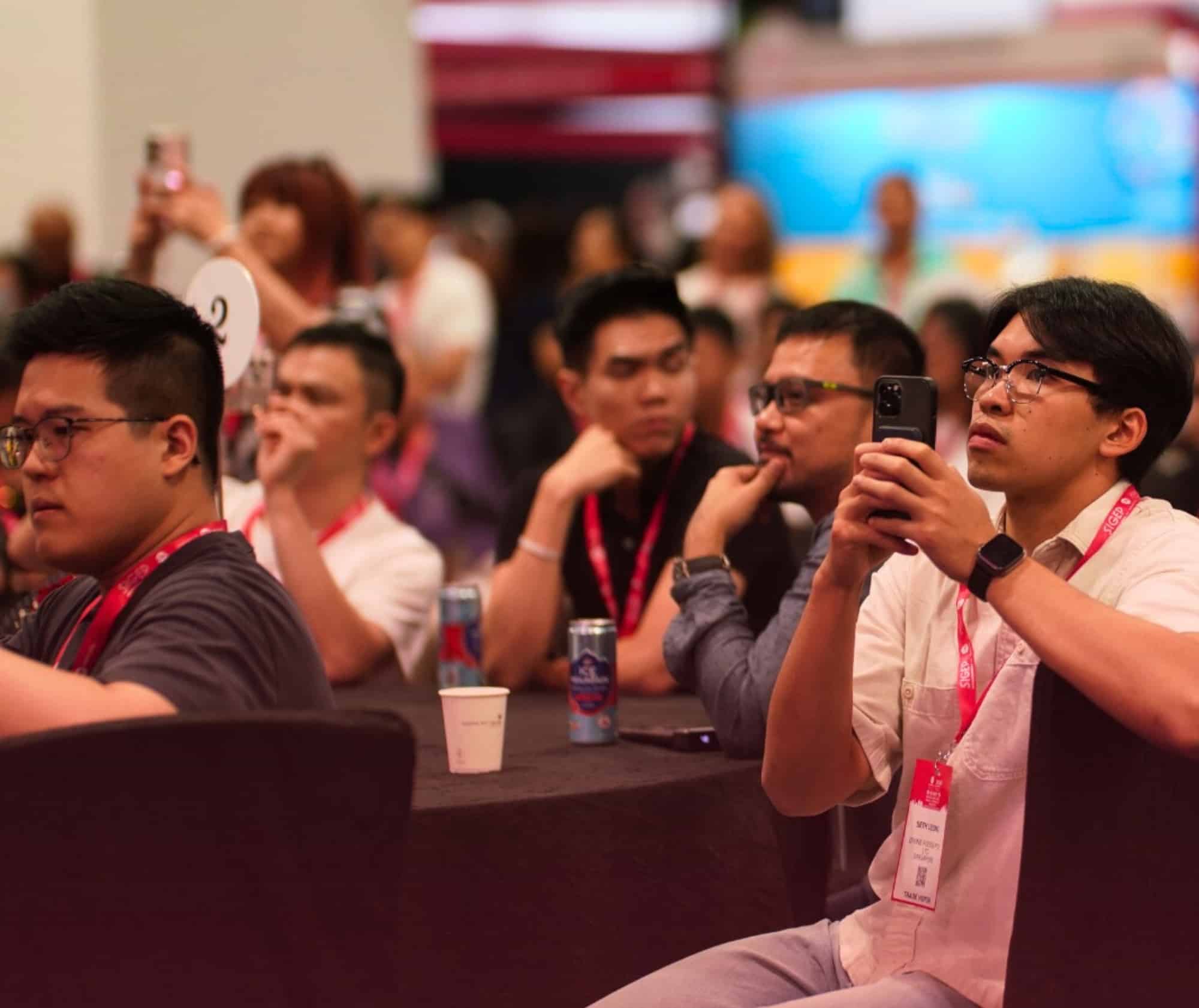
While each forum had its own agenda, both pushed toward the same overarching goals:
- Strengthening regional hospitality cooperation
- Supporting sustainable business growth
- Addressing the skills and workforce crisis
- Bridging China–ASEAN tourism and hotel development
- Exploring market evolution through technology and consumer change
- Inspiring operators to rethink their strategies for the decade ahead
Below is the detailed breakdown of both roundtable editions on Marina Bay Sands.
IFBA International Forum 2025, The Future of F&B & Hospitality: Innovation, Sustainability & Consumer Trends
The discussion focused on the forces reshaping regional F&B and hospitality operations, offering a clear view of how the industry is adapting to shifting guest expectations, evolving supply chains, and workforce pressures.
The forum brought together a strong lineup of senior practitioners and international association leaders:
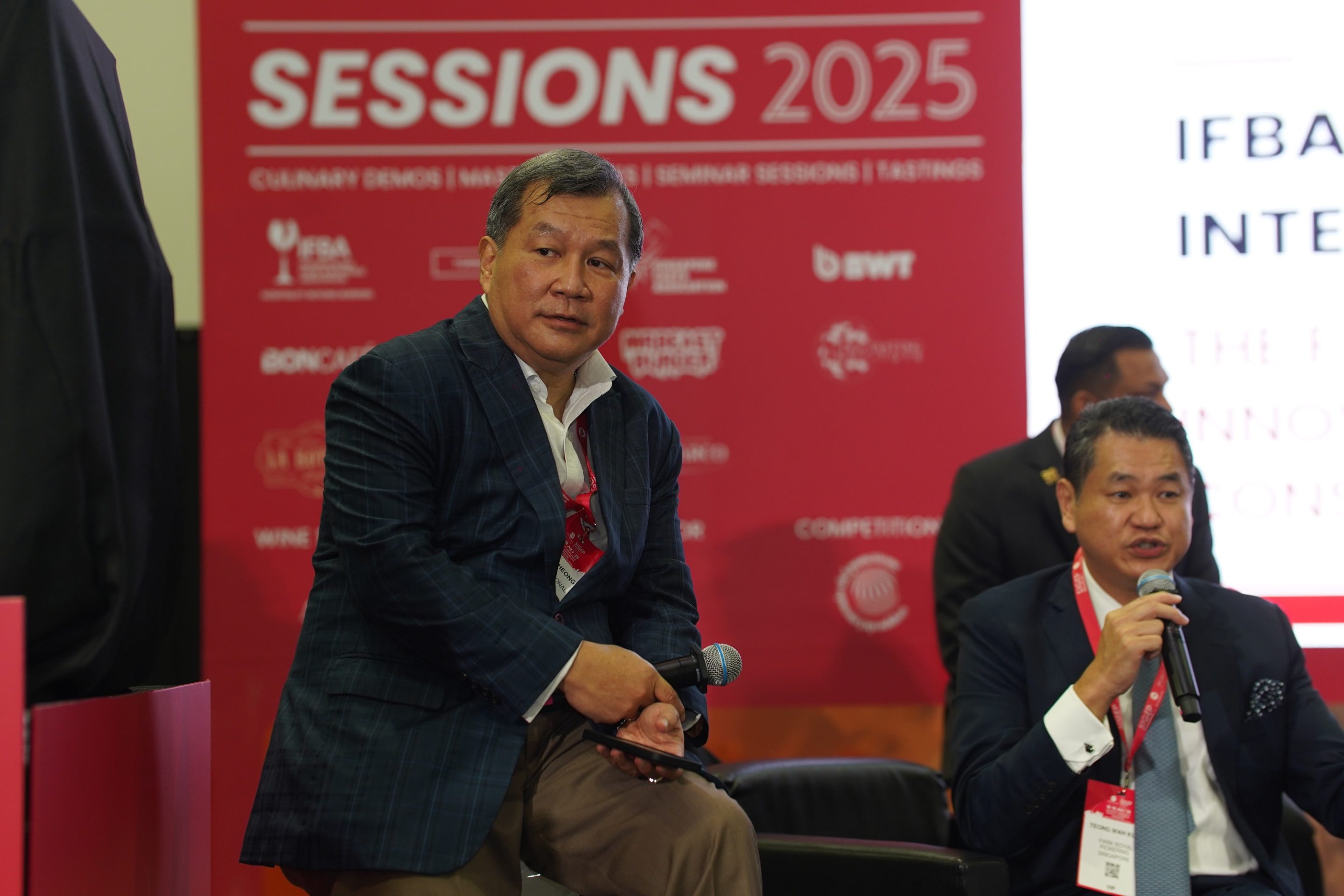
Panelists
- Adelina S. Barphe – Vice President, IFBA Americas; President, Food & Beverage Management Association of Greece
- Eduardo Serrano – Executive President, Iberoamerican F&B Directors & Executive Chefs Association (AIDABE)
- Madeline Lai – President, Hospitality Purchasing Association Singapore (HPAS); Strategic Sourcing Manager, Duni Group
- Damian Tan – President, Association of Room Division Executives (Singapore); General Manager, PARKROYAL on Beach Road
- Chef KK Kong – Executive Chef, Sentosa Golf Club; President, Singapore Chefs’ Association
- Mohamed Fasle Rifaeh – President, Les Clefs d’Or Singapore; Chef Concierge, Conrad Singapore Marina Bay
- Jennifer Ong – Founder & CEO, HAPA® Group
- Catherine Choo See Peng – Vice President, Association of Singapore Housekeepers (ASH)
- Kung Teong Wah – Vice President Food and Beverage Association of Singapore (FBMA)
- Andrew Tay – Himawari Hotel, Former President, Singapore Club Cambodia (SCC)
Across four segments, the forum mapped out the major shifts that operators must understand today.
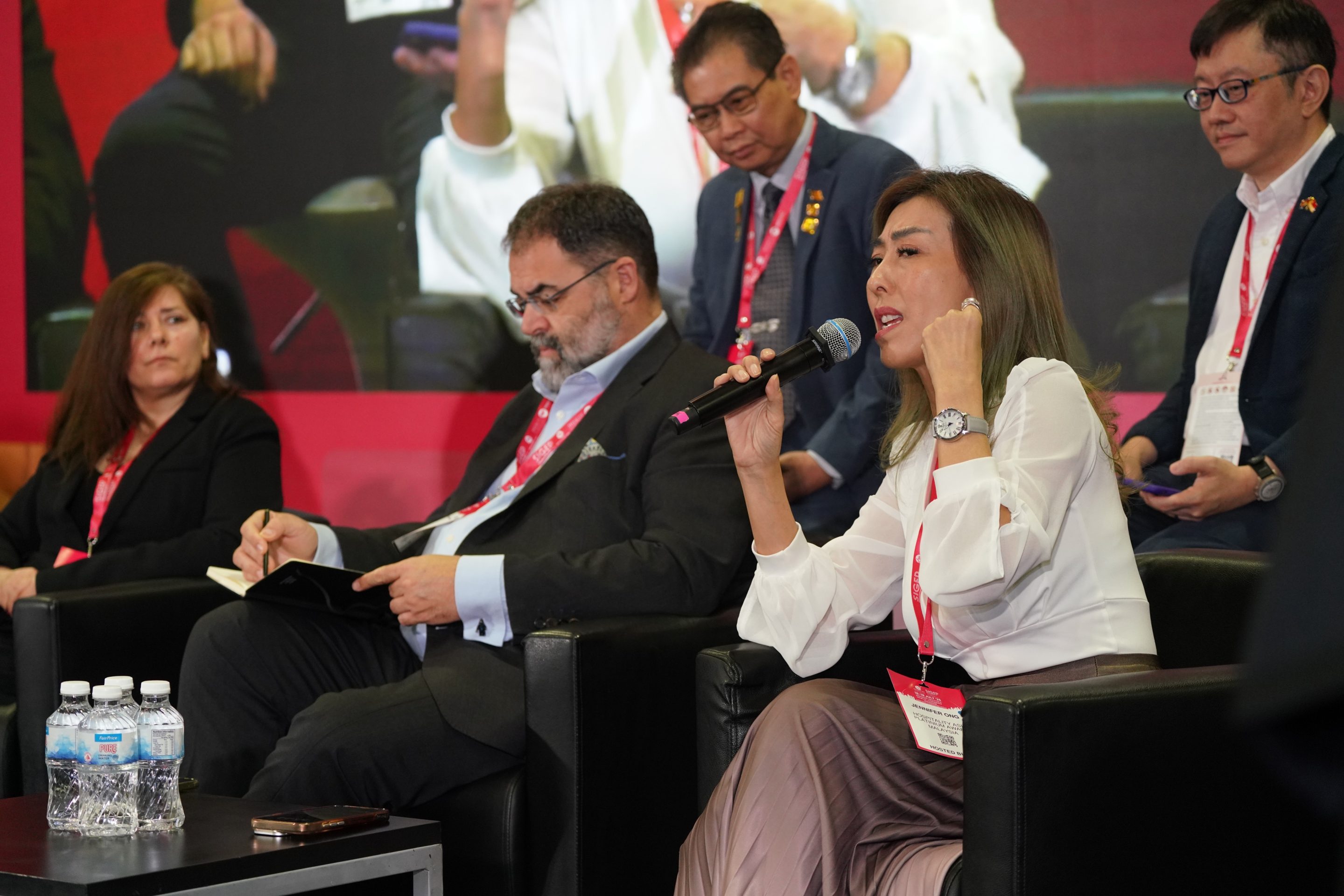
1. Consumer Behaviour & Market Evolution
Panelists explored how consumer habits continue to shift, with wellness-focused dining, flexible menu formats, and non-alcoholic beverage programmes gaining traction across Asia. The discussion also emphasized how regional cuisines, local ingredients, and cross-cultural influences are shaping new dining concepts.
The discussion also spotlighted the prominence of wellness within dining preferences. Functional foods, balanced meals, and the integration of health-forward choices across menus continue to guide purchasing and development strategies. Beverage trends followed a similar direction, with sustained interest in low-alcohol and non-alcoholic options, functional drinks, and contemporary craft beverages.
Beyond The Plate: How Consumer Behavior Is Reshaping The Future Of Dining
🔺Theme: Shifting Consumer Preferences: How Hospitality Must Adapt to New Dining Habits.
Hybrid and virtual dining concepts were also addressed. While usage varies by market, these models remain part of the F&B ecosystem, particularly in urban environments where off-premise consumption continues to influence planning and resource allocation.
Sustainability was framed as an expectation rather than a trend. Guest awareness of environmental impact contributes to demand for transparent sourcing, reduced waste, and more responsible operational practices. These preferences continue to inform decisions across procurement, menu engineering, and service delivery.
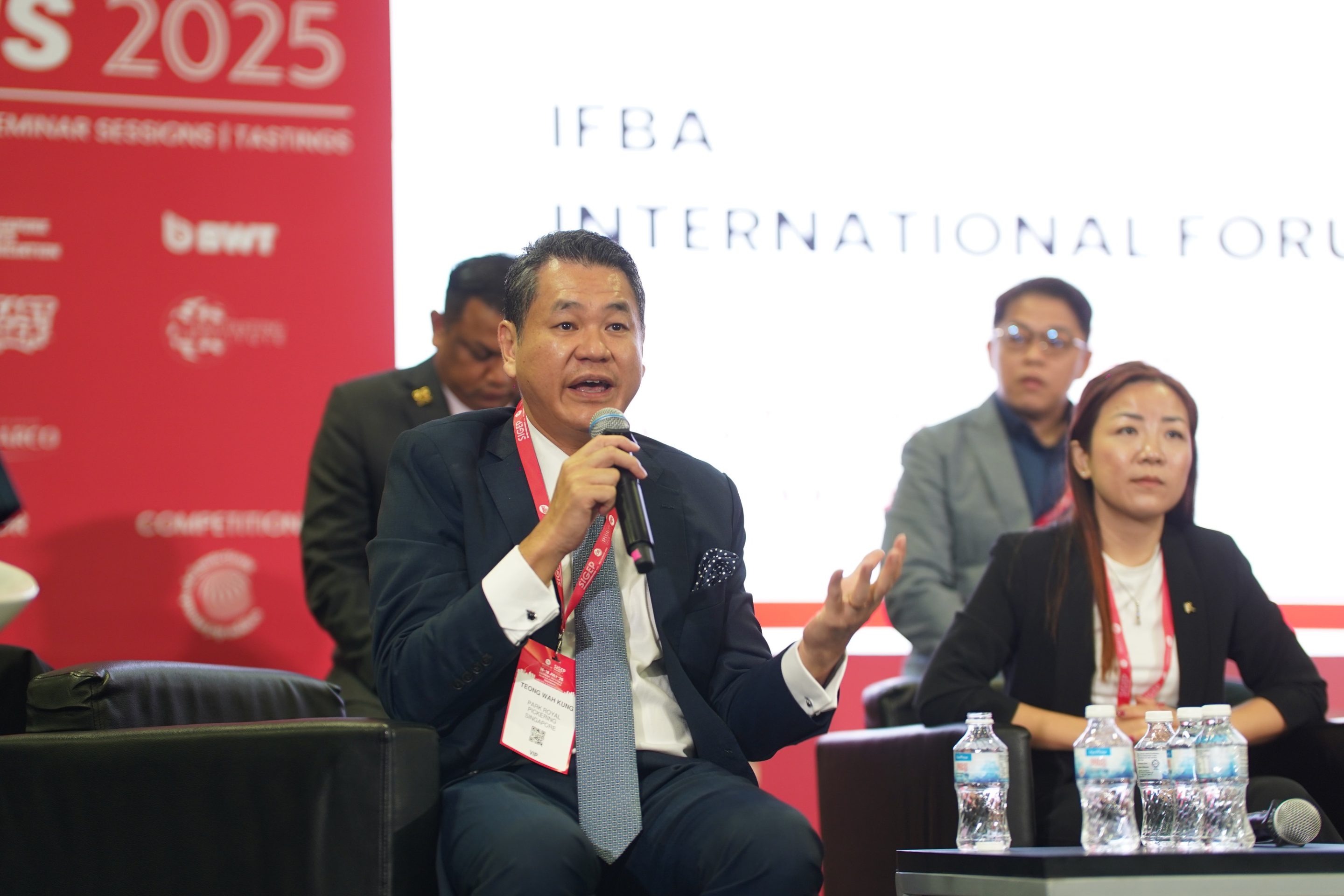
° Continued evolution of post-pandemic consumer expectations
° Growth of wellness dining and functional food choices
° Stronger interest in non-alcoholic and health-focused beverage options
° Integration of local, regional, and indigenous ingredients
° Ongoing presence of hybrid and virtual F&B models in urban markets
° Rising demand for personalised service supported by digital tools
° Sustainability increasingly viewed as a baseline requirement by guests
“Consumer expectations are evolving quickly, and operators are adapting with clearer wellness choices, stronger regional identity, and more personalised dining experiences.”
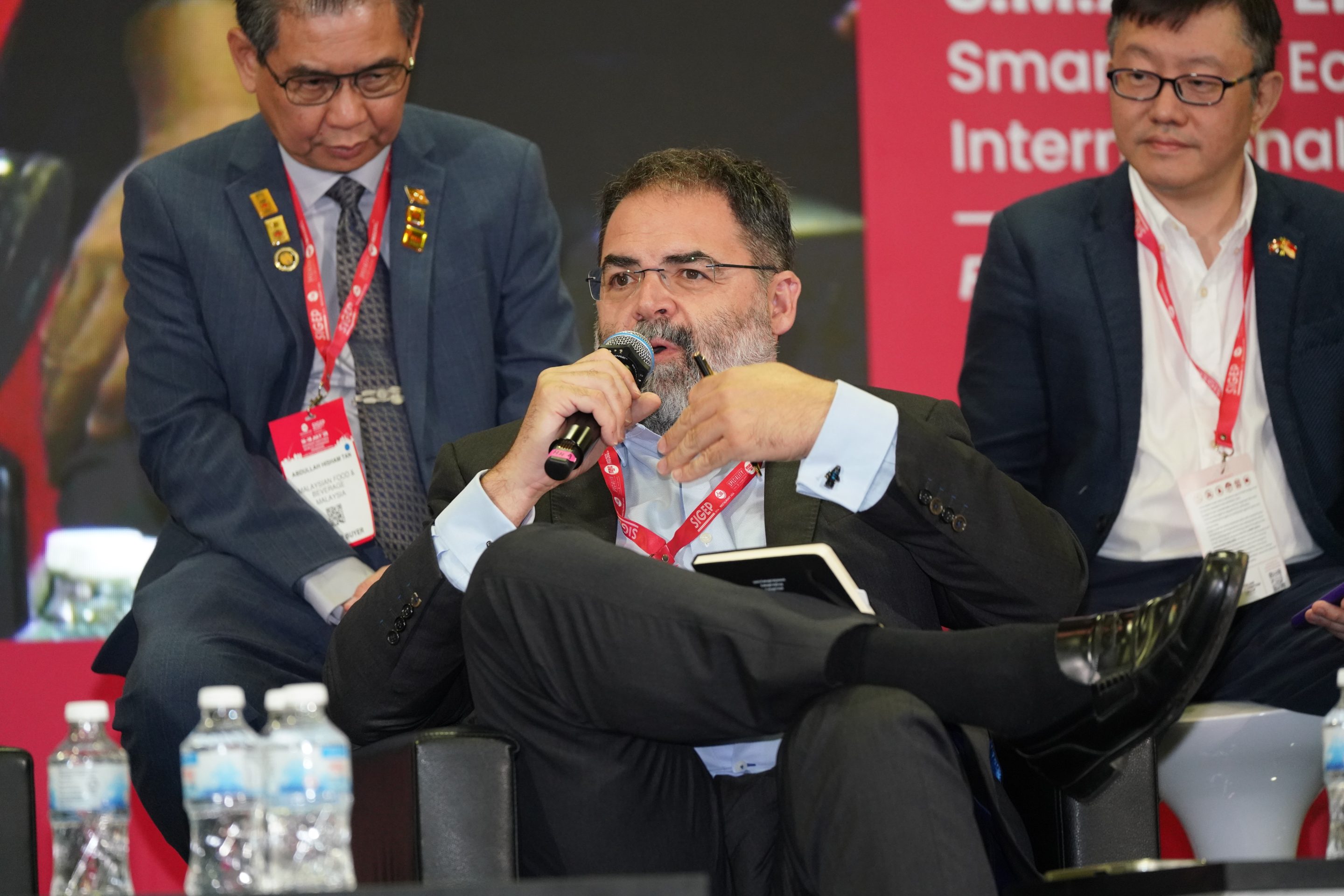
2. Technology & Innovation
The technology session examined practical applications of AI, automation, IoT, and digital-first restaurant models. Rather than focusing on tech trends in isolation, speakers highlighted how innovation is altering cost structures, workflow patterns, and guest touchpoints.
Technology continues to reshape core F&B operations, with panelists outlining how AI-supported tools, automation, and digital systems are becoming standard elements of modern hospitality. Operators across the region are adopting smarter kitchen equipment, connected devices, and data-driven forecasting to improve workflow consistency, reduce waste, and stabilise production planning during changing demand cycles.
Digital-first models remain influential. Delivery-led channels, virtual brands, and cloud kitchens continue to play a role in urban markets, where off-premise demand informs menu design and production scheduling. At the same time, frictionless service tools—such as QR ordering, integrated POS systems, and automated ordering pathways—are now widely implemented across hotels and restaurants, contributing to more efficient guest flow and faster turnaround times. Smart systems are also being introduced into in-room dining to streamline service and reduce manual bottlenecks.
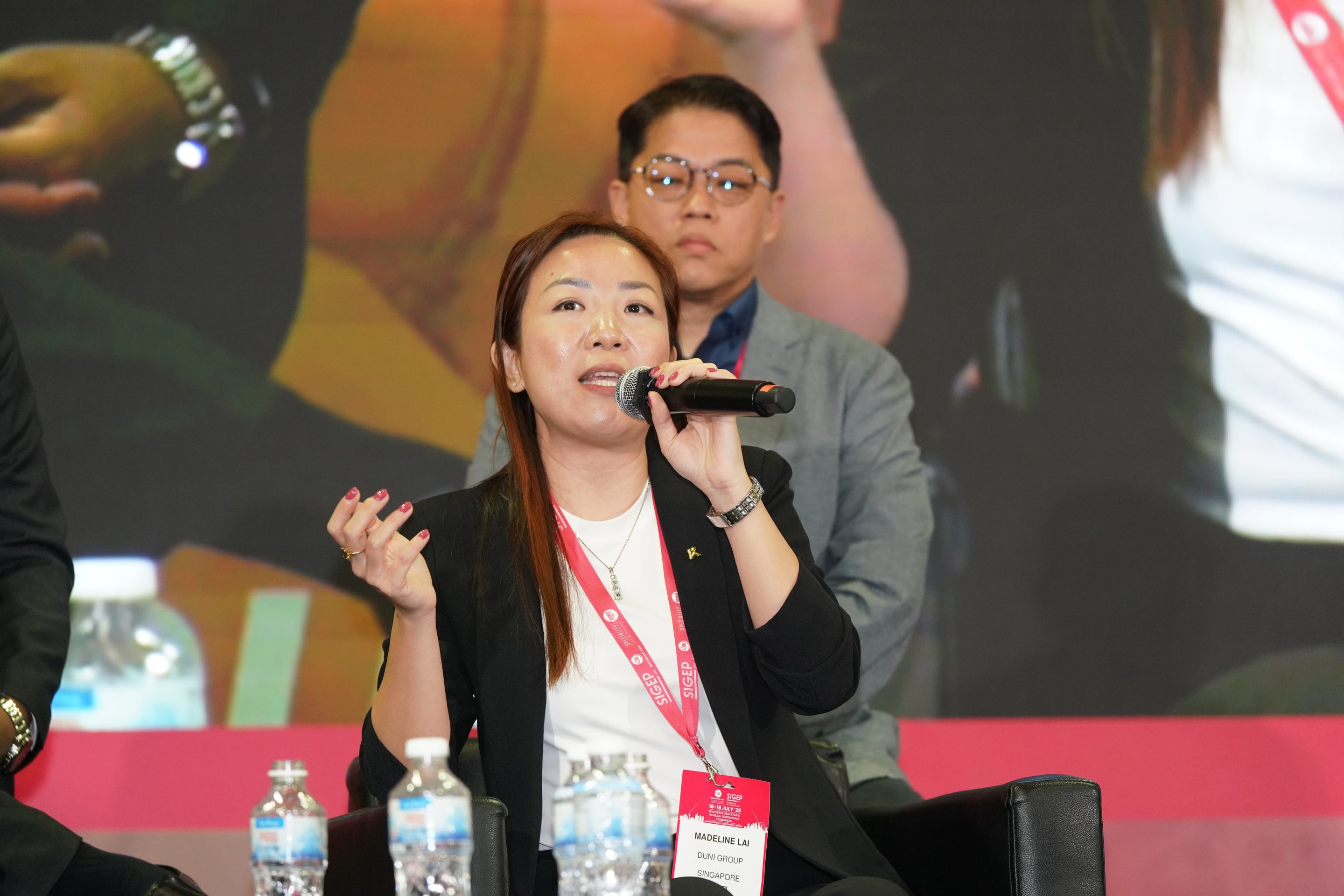
The Future Of F&B – Innovation, Technology & Profitability
🔺Theme: Beyond Automation: AI, Data & Smart Design are Reshaping Foodservice & Hospitality
Key insights included:
° Rising use of AI for forecasting, menu optimisation, and waste reduction
° Wider adoption of automation and IoT in kitchen operations
° Continued relevance of cloud kitchens and virtual brands
° Expansion of digital ordering and frictionless service models
° Data-supported design and space optimisation
° Smart technology contributing to sustainability targets
“Technology now influences every stage of the F&B workflow, from planning and production to service and sustainability.”
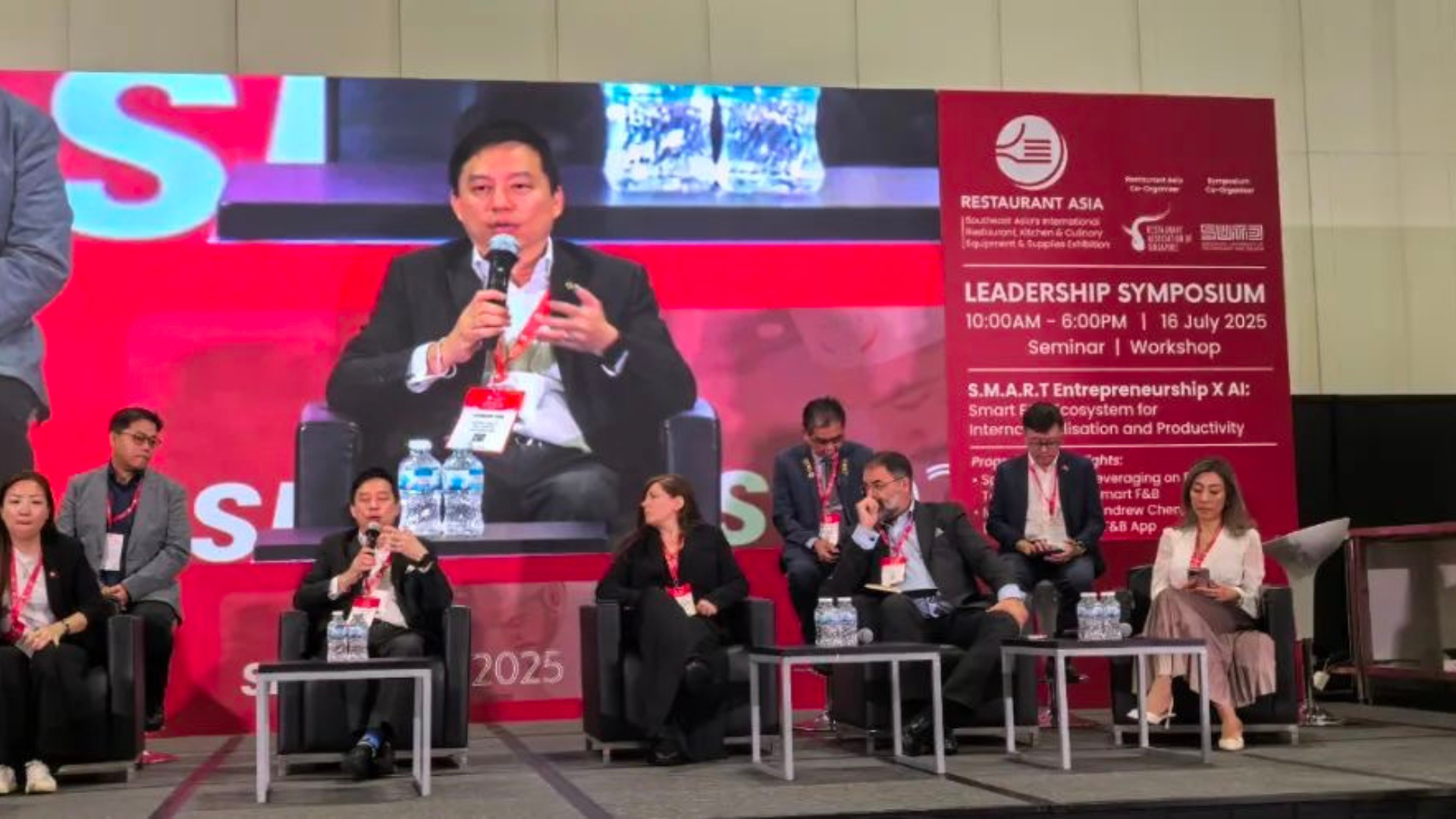
3. Sustainability & Future-Proofed Design
The session also addressed the growth of hyper-local supply chains and community-driven sourcing models. Sustainability considerations are also extending into mixology, pastry, and dessert programmes, where low-waste methods, ethical cocoa sourcing, and next-generation sweeteners are being integrated into product development.
“Similar principles are influencing foodservice design, with operators adopting greener architecture, efficient equipment, and energy-saving layouts to support long-term operational resilience.”
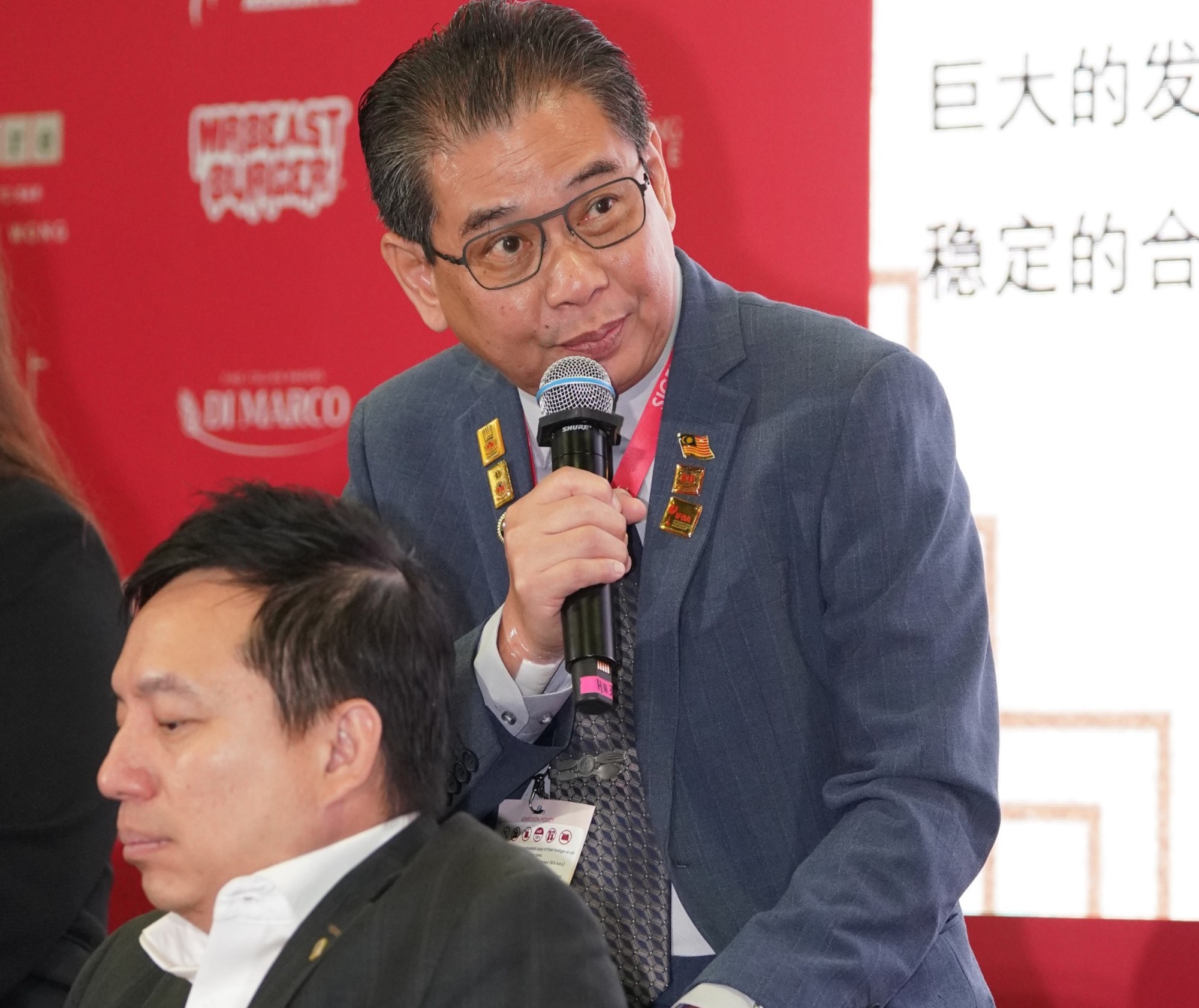
Sustainability in Hospitality: Moving Beyond the Trend to Long-Term Impact
🔺Theme: Integrating environmental responsibility into everyday operations and future planning
The session concluded with the recognition that sustainability now underpins both current practice and future planning in hospitality; environmental considerations have become core to how operators structure and future-proof their businesses.
Other key themes and takeaways:
° Increasing focus on carbon footprint reduction across hotel and restaurant operations
° Expansion of sustainable procurement and energy-efficient practices
° Growth of zero-waste and circular kitchen models
° Rising importance of ethical sourcing and responsible supply chains
° Development of hyper-local sourcing networks and community partnerships
° Sustainable innovation in mixology, pastry, and dessert production
° Integration of green design, architecture, and equipment into future planning
“Sustainability is now part of how hospitality plans for the future, shaping decisions from sourcing and production to space design and long-term investment.”
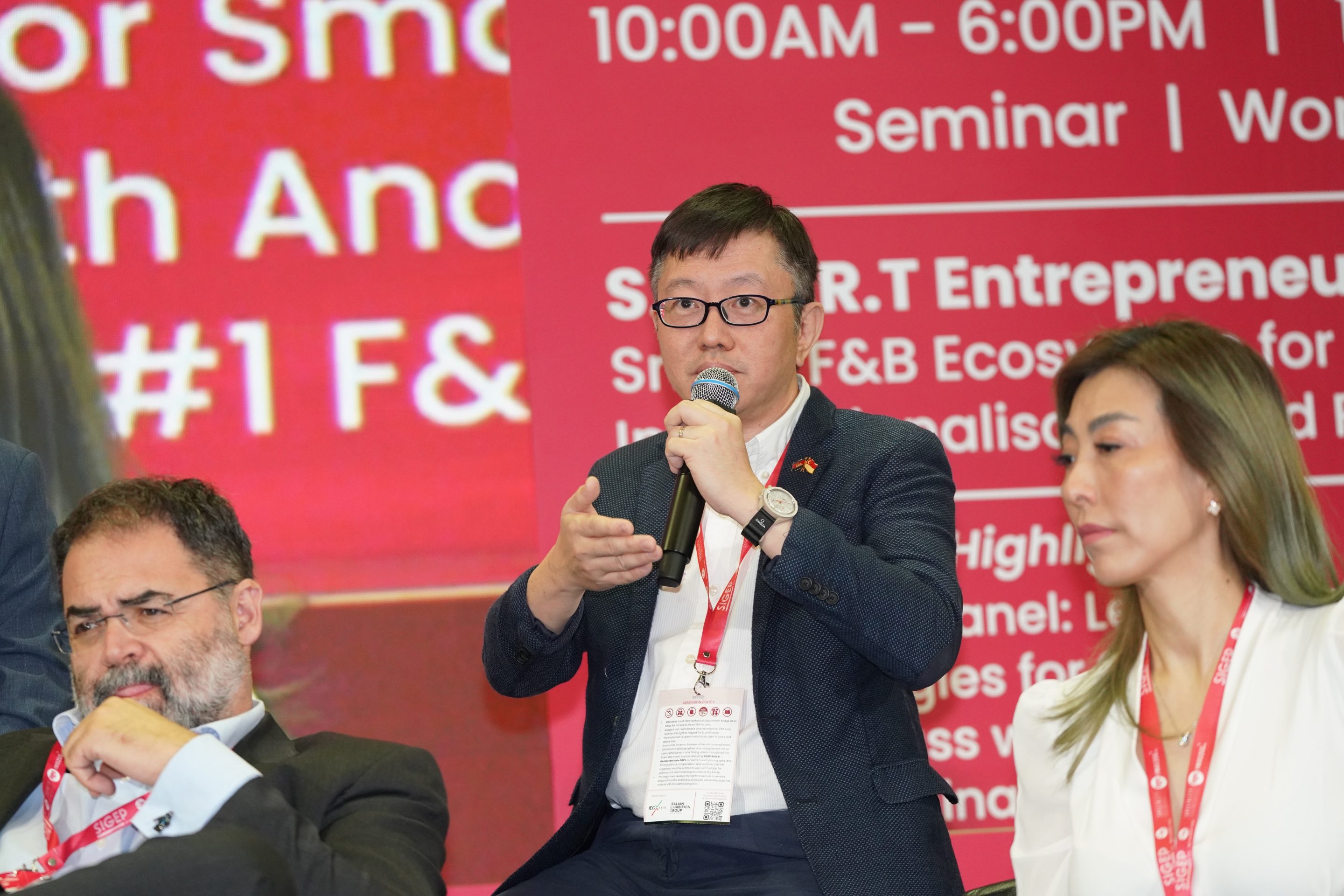
4. Workforce, Training & Leadership
Panelists discussed the continued need for resilience in F&B and hospitality, drawing on lessons from recent disruptions that reshaped industry expectations.
Labor shortage and workforce well-being remained a core theme, with attention placed on mental health, fair working conditions, and the retention challenges affecting housekeeping, kitchen, and service teams. Hospitality continues to rely heavily on the strength of its people, making workforce support a practical requirement rather than a long-term aspiration.
“Operators are placing greater emphasis on training, clearer role structures, and stable workplace practices to reduce turnover and maintain service continuity.”
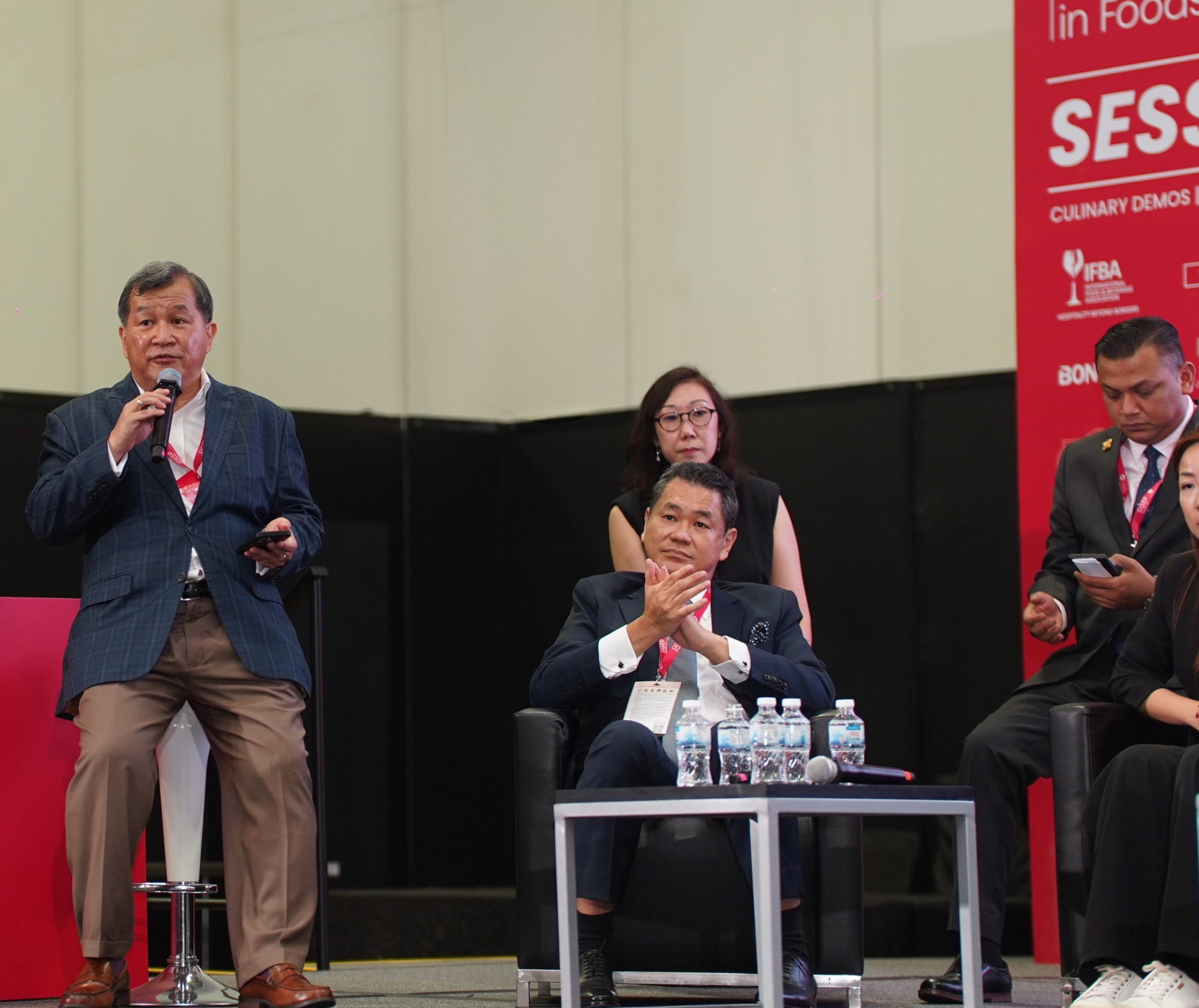
The Hospitality Business – Resilience & Future-Proofing
🔺Theme: The Future of Hospitality — Lessons from Crisis & Strategies for Resilience
Key insights included:
° Closing the talent shortage through upskilling and stronger industry partnerships
° Continued integration of enhanced hygiene and safety protocols
° Growing emphasis on supply-chain resilience and climate-related risk planning
° Flexible operational models supporting long-term business stability
° Increased focus on mental health, fair labour conditions, and retention
° Rising demand for updated culinary, hospitality, and bar training programmes
“People remain the foundation of hospitality, and strengthening workforce resilience is central to the industry’s future.”
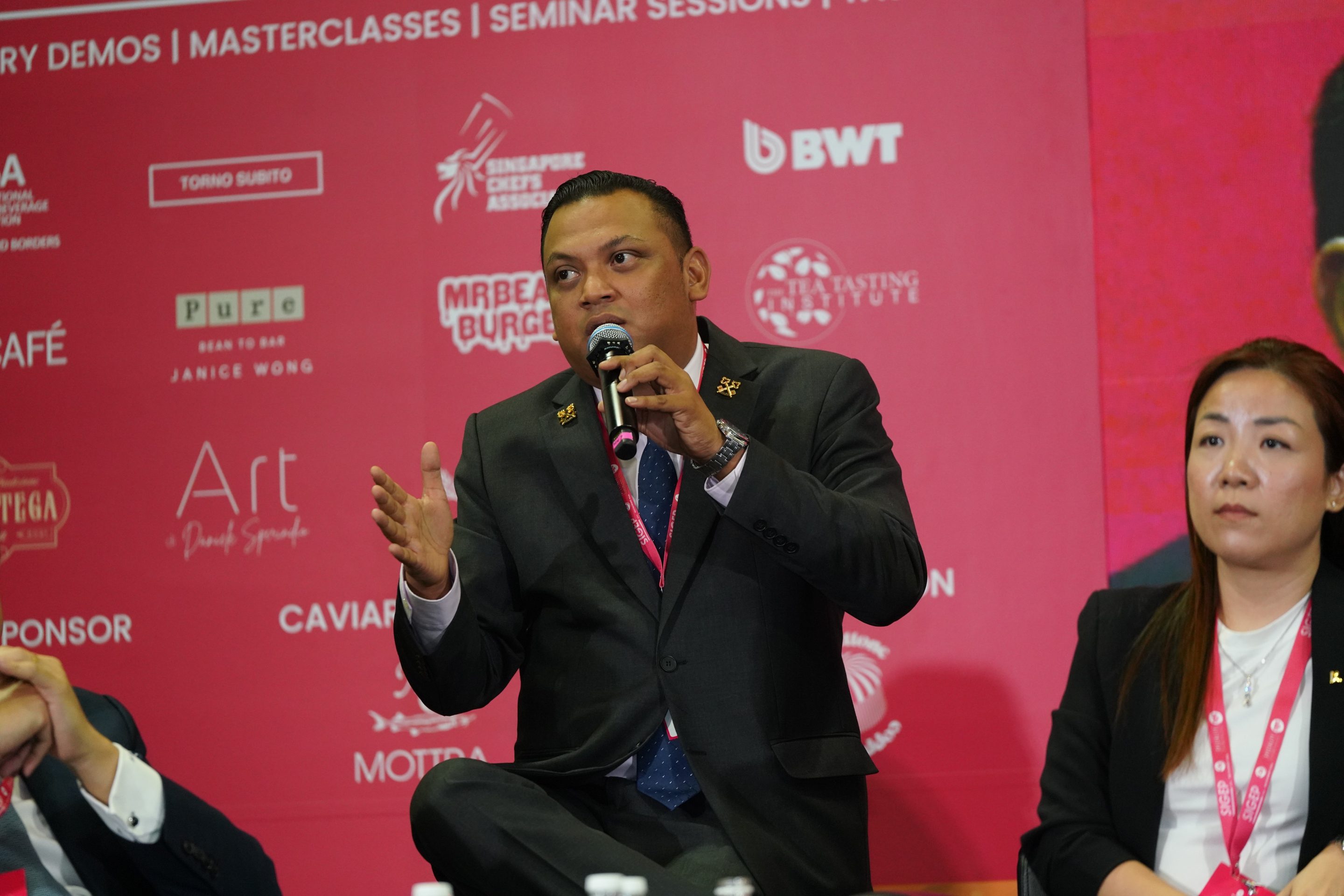
IFBA Asia-Pacific & China Forum
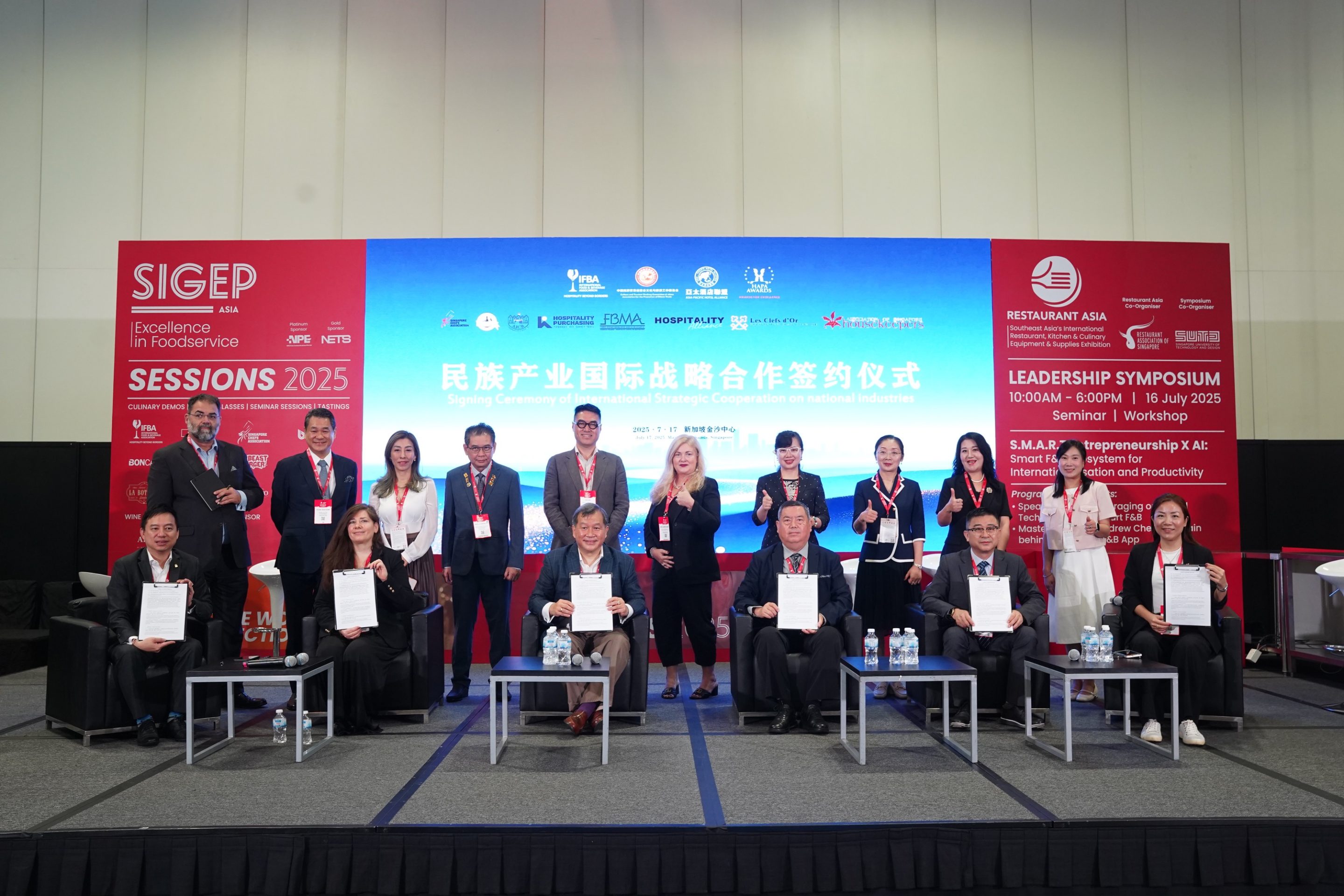
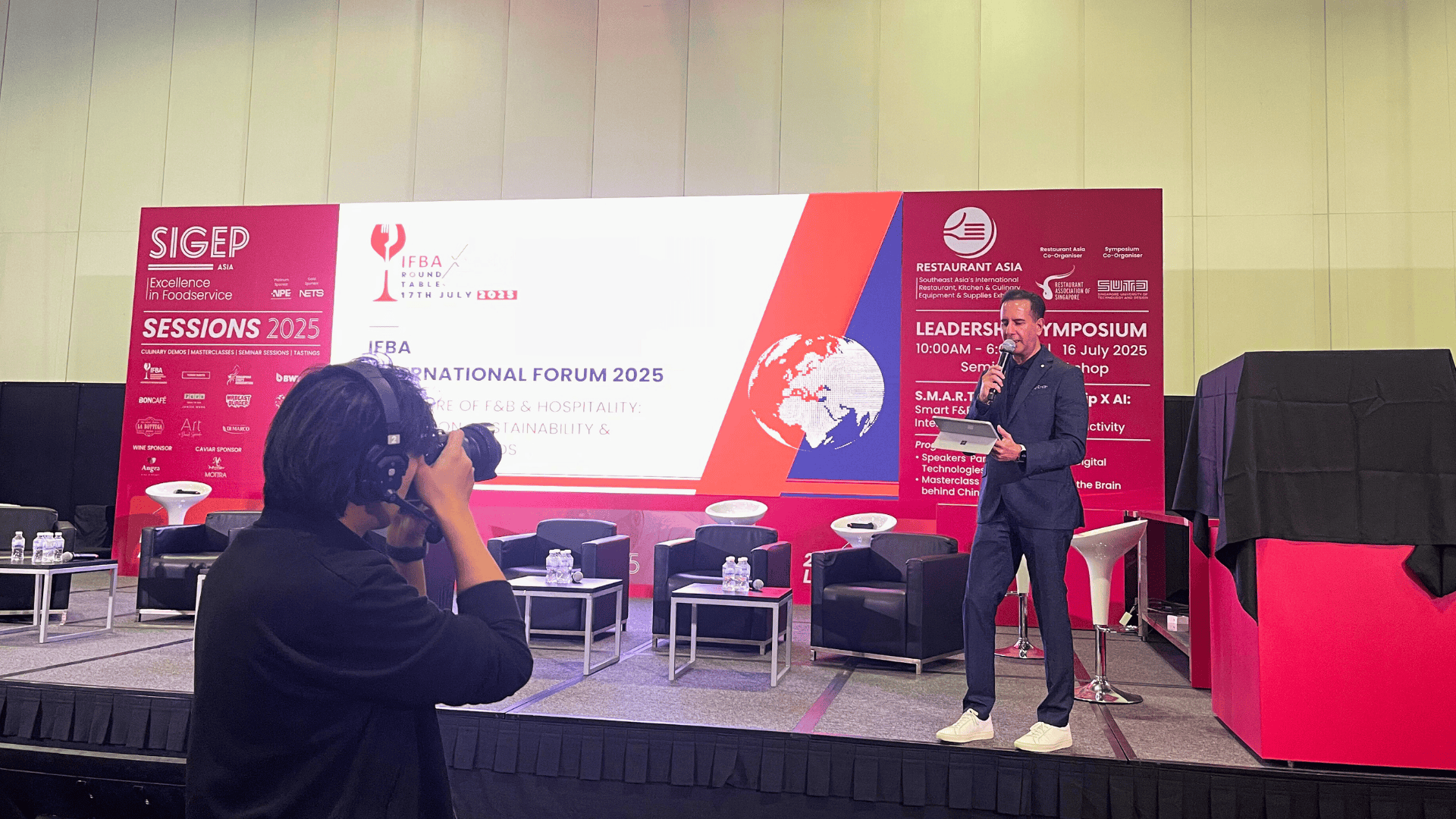
The IFBA Asia-Pacific & China Forum 2025 was one of the most anticipated sessions in this year’s SIGEP Asia programme, drawing strong attention from delegates across the region. The roundtable brought together senior representatives from national tourism bodies, cultural organisations, hotel associations, and institutional partners from China and multiple Asia-Pacific markets. Their presence reflected the growing importance of structured regional dialogue and the interest in strengthening collaboration across hospitality and tourism sectors.
As a key component of IFBA’s expanded participation at SIGEP Asia—together with the International Forum—the session added significant value to this year’s edition. By convening decision-makers and association leaders from diverse markets, the forum provided a broader regional perspective and set the foundation for the detailed thematic discussions that followed in its two main segments.
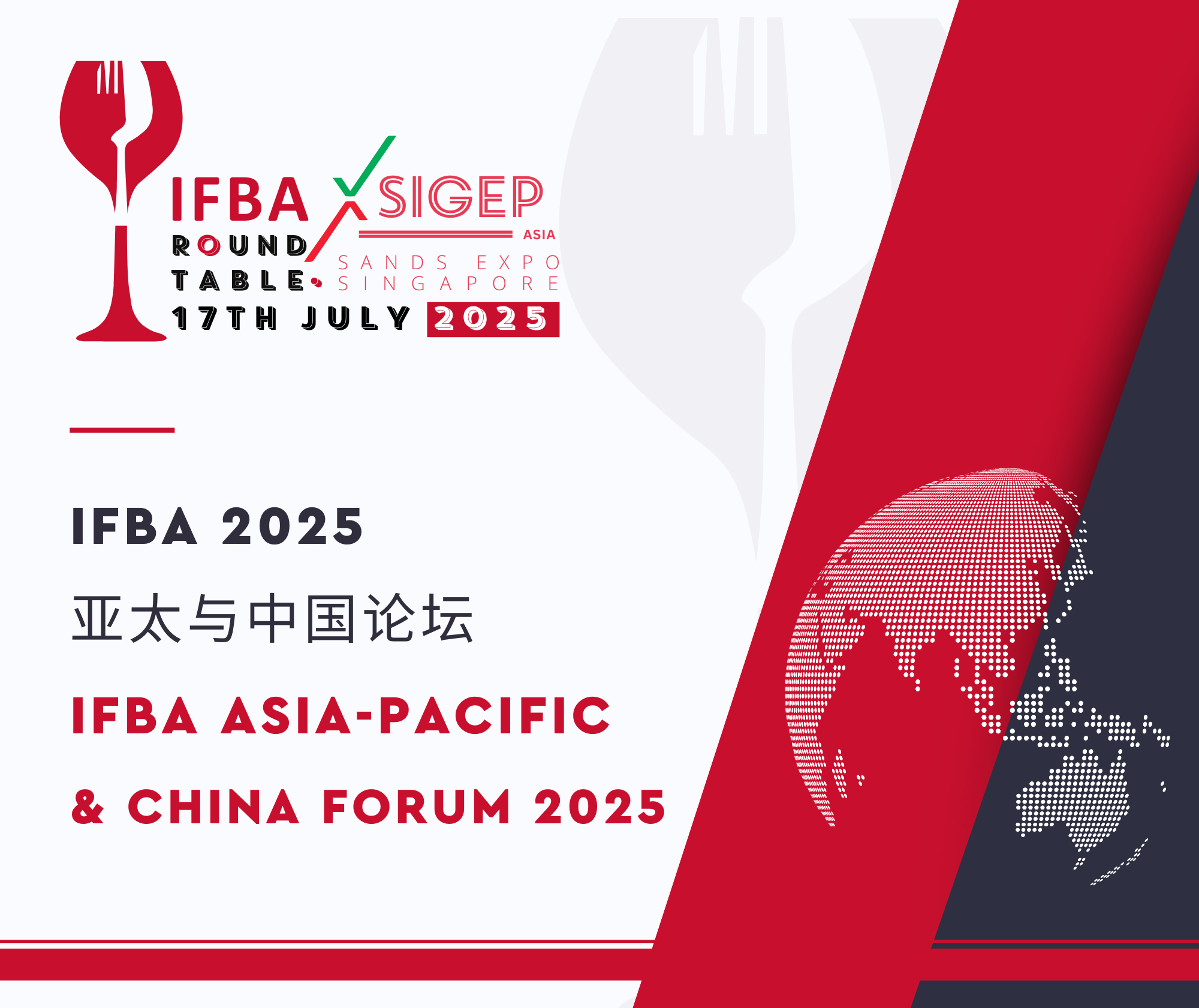
IFBA Asia-Pacific & China Forum Cultural Tourism, Belt-and-Road Collaboration & Ethnic Hotel Development
The IFBA Asia-Pacific & China Forum brought together senior representatives from China’s cultural tourism and hospitality sectors alongside IFBA’s international network. The session explored how cultural tourism, policy alignment, and ethnic hotel development are shaping new opportunities for cross-border collaboration. It gathered influential delegates representing national tourism bodies, hotel associations, and brand development committees.
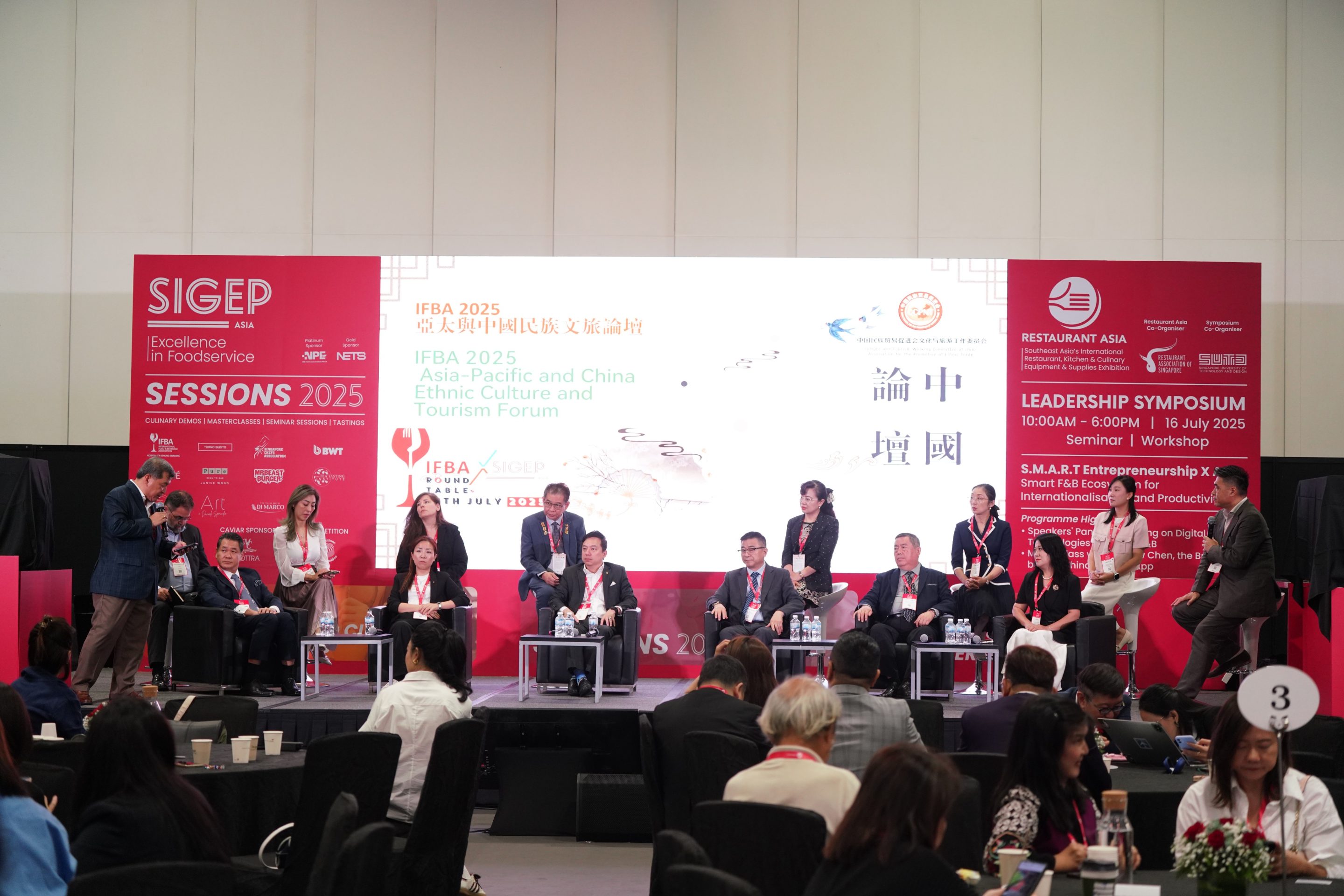
Cultural Tourism, Belt-and-Road Collaboration & Ethnic Hotel Development
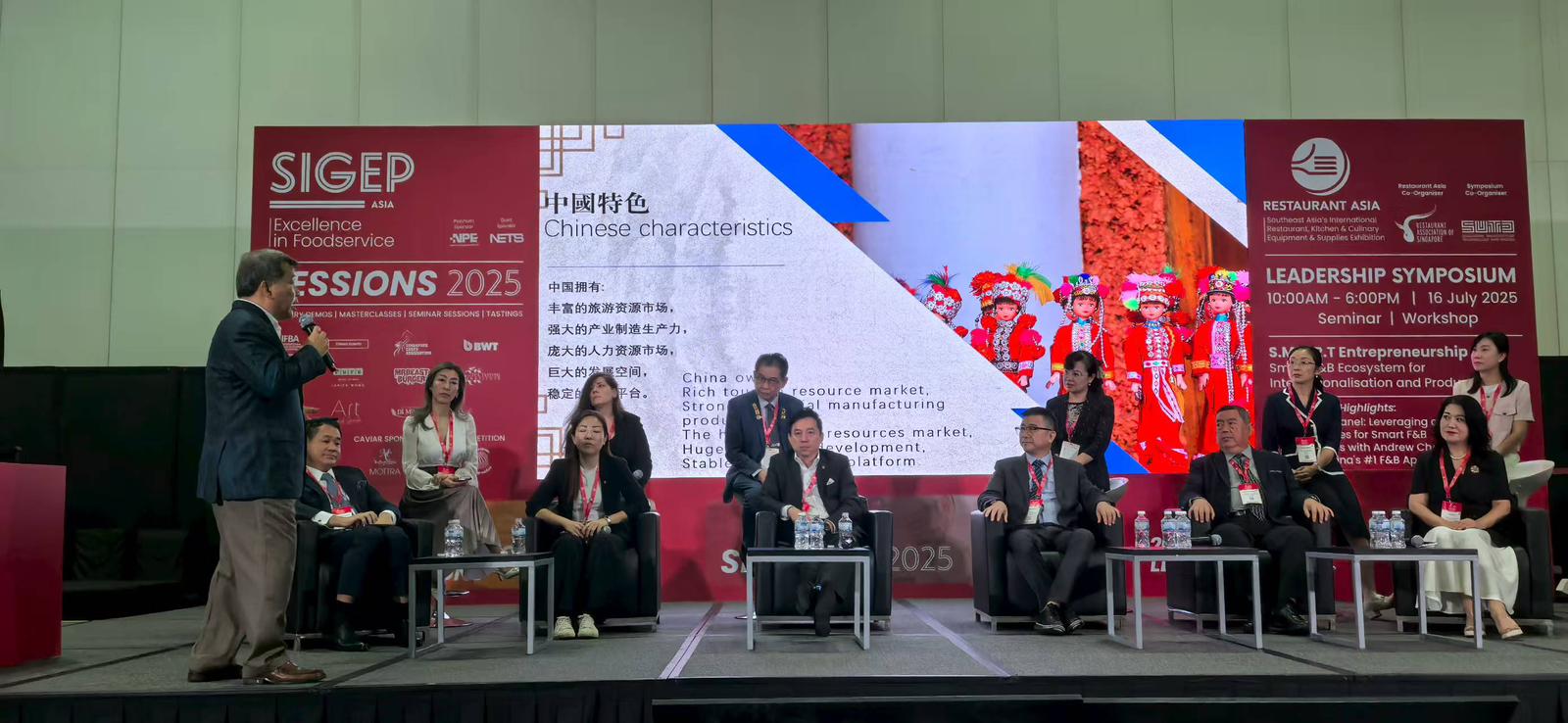
The forum examined the development of ethnic cultural tourism and the internationalisation of ethnic hotel brands, bringing together senior representatives from China, Southeast Asia, and the wider hospitality community. Moderated by Dr Han Bin and Cheong Hai Poh, the session provided perspectives on policy alignment, cultural presentation, market expansion, and the long-term direction of ethnic hospitality in the region.
The session explored how cultural tourism, policy frameworks, and ethnic hotel development are shaping new opportunities for cross-border collaboration. Speakers reviewed how regional cooperation initiatives, including those connected to the Belt and Road framework, continue to influence tourism development. They also highlighted key considerations for ethnic hotel brands preparing for overseas markets, particularly in regard to positioning, service standards, and cultural identity.
To reflect these priorities, the forum was structured into two thematic parts:
Forum Themes
(1) International Cooperation in the Ethnic Cultural Tourism Industry
(2) New Exploration of Overseas Development for Ethnic Brand Hotels
These themes shaped the conversation throughout the forum and guided the direction of the discussions that followed.
Delegations in Attendance
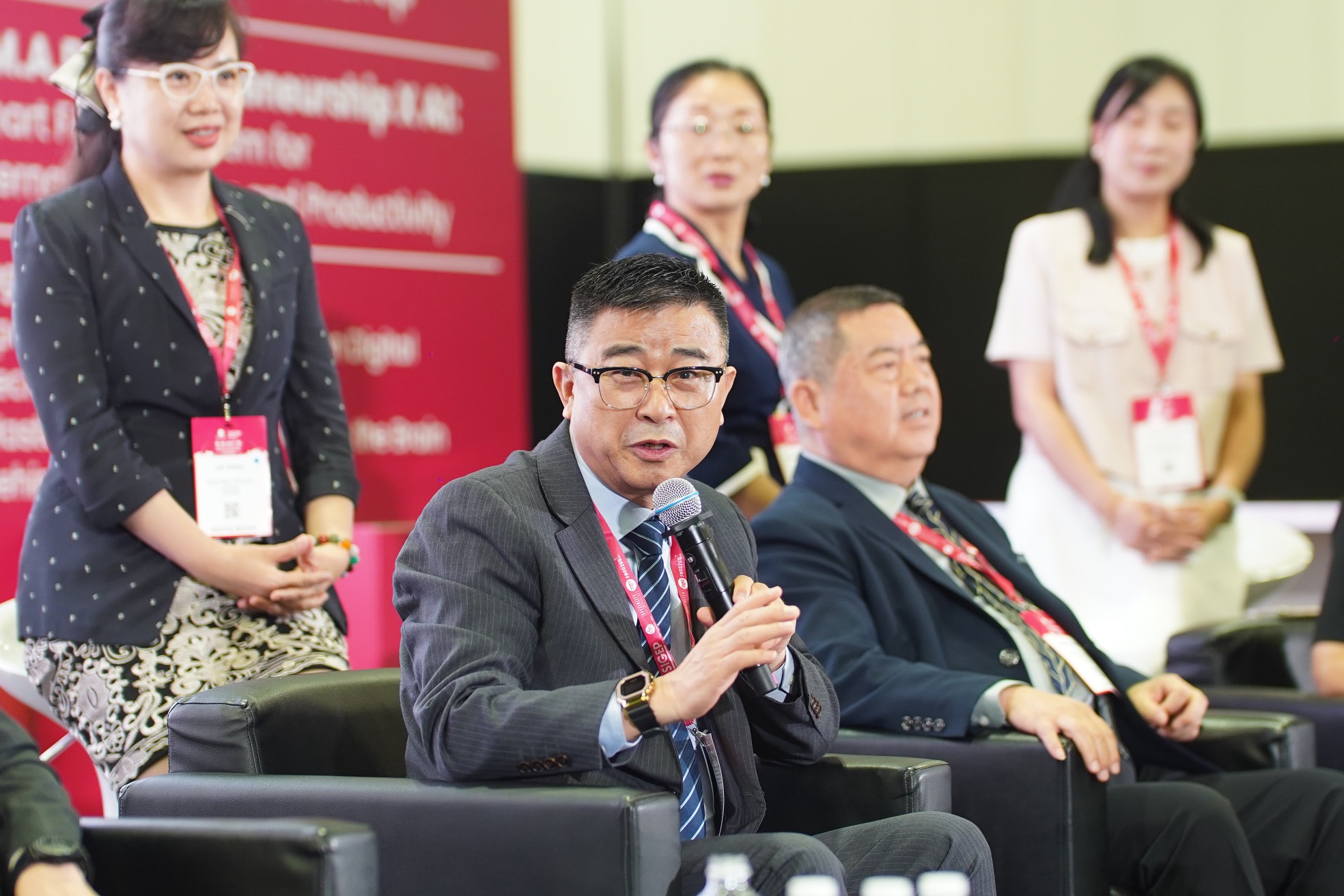
What made the session particularly noteworthy was the strong participation from influential tourism bodies, hospitality associations, and cultural organisations spanning China and the Asia-Pacific region. These delegations represent key decision-makers and institutions responsible for guiding policy, shaping destination strategies, and developing hospitality standards across the region. Their presence gave the forum significant relevance within this year’s SIGEP Asia programme and set the stage for the two focused themes that followed.
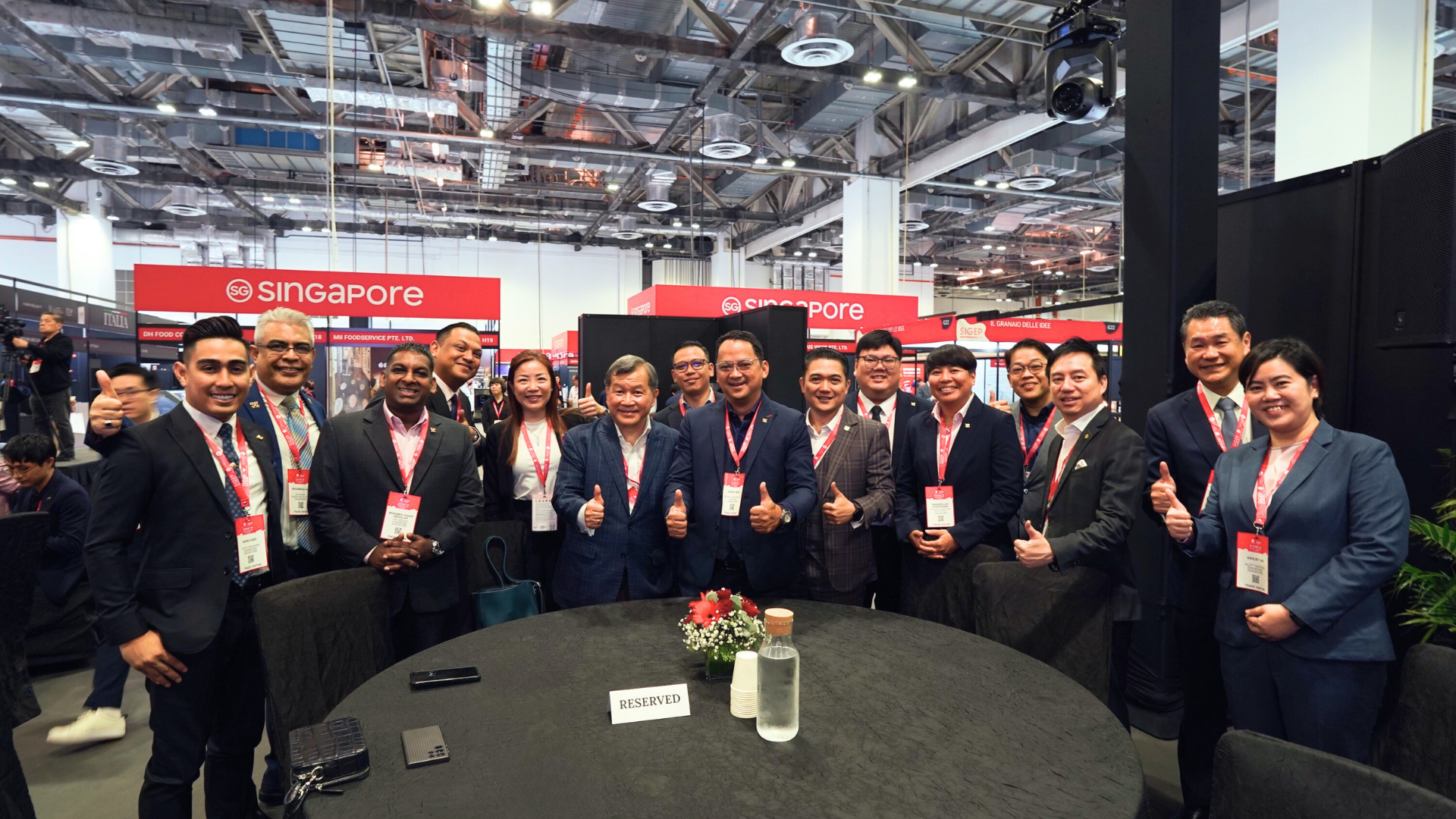
China Delegation
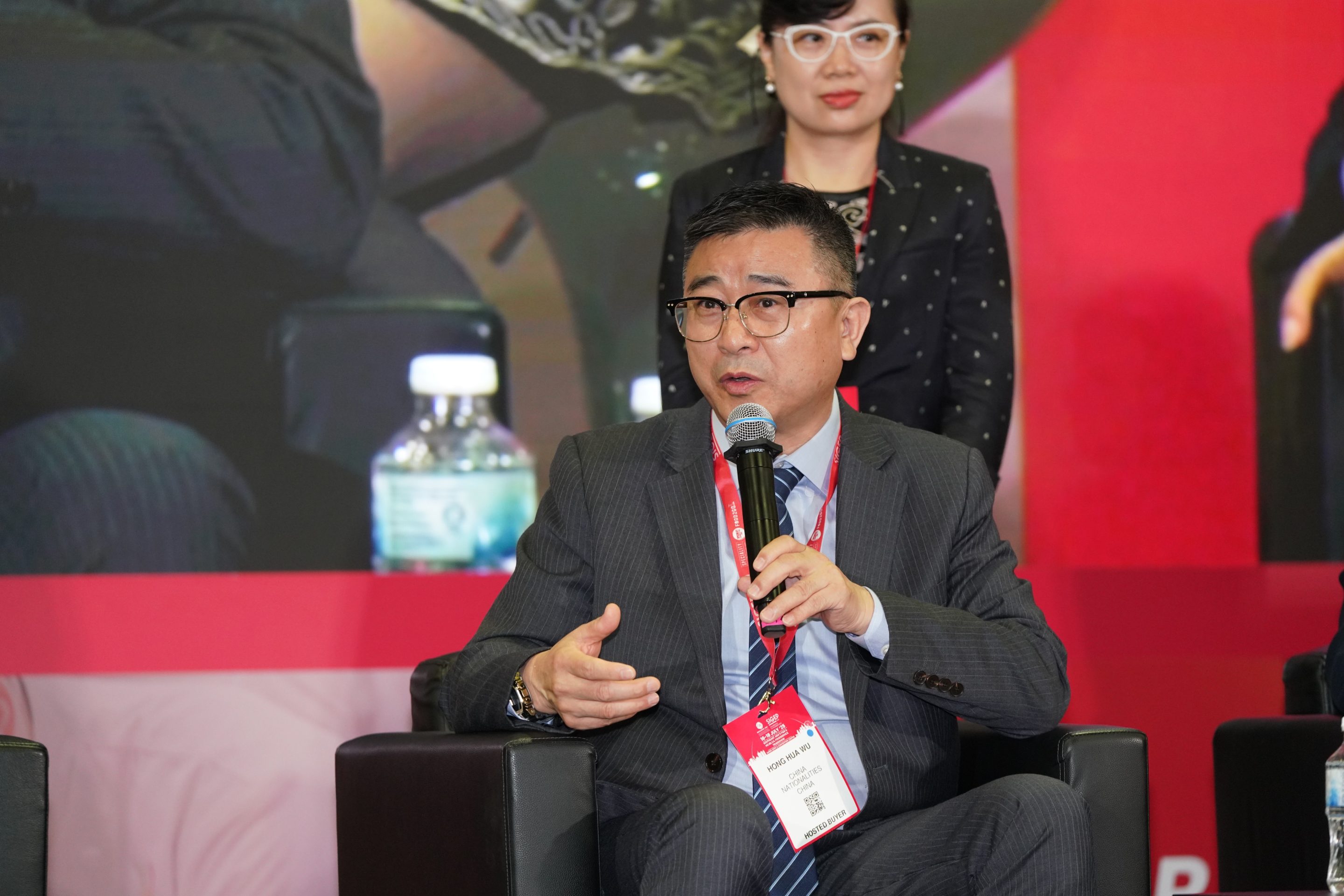
- Wu Honghua – Director, Culture & Tourism Committee, China National Ethnic Trade Promotion Association
- Hua Lei – Secretary-General, Henan Provincial Tourism Association
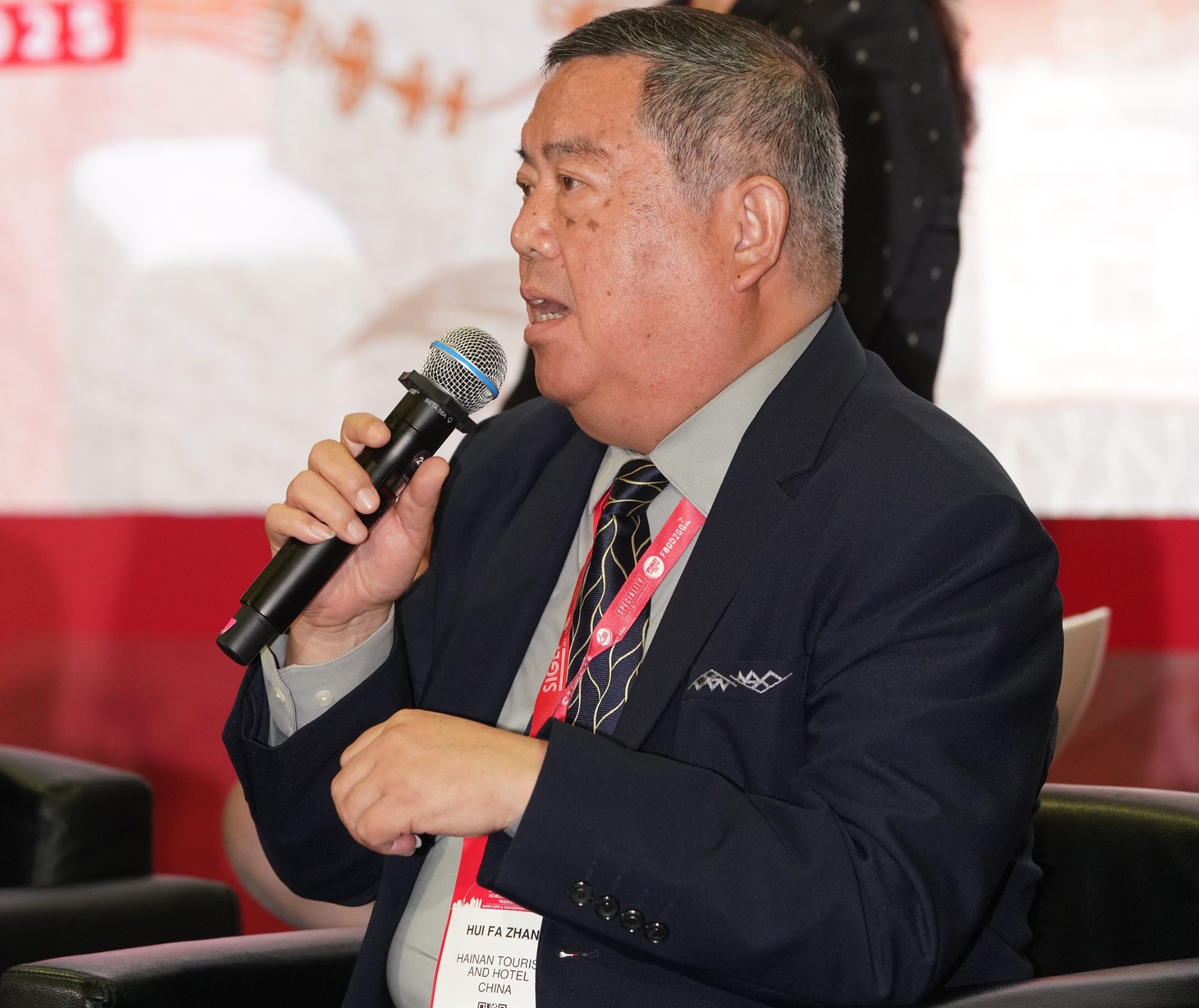
- Zhang Huifa – Executive President, Hainan Provincial Tourism Hotel Association
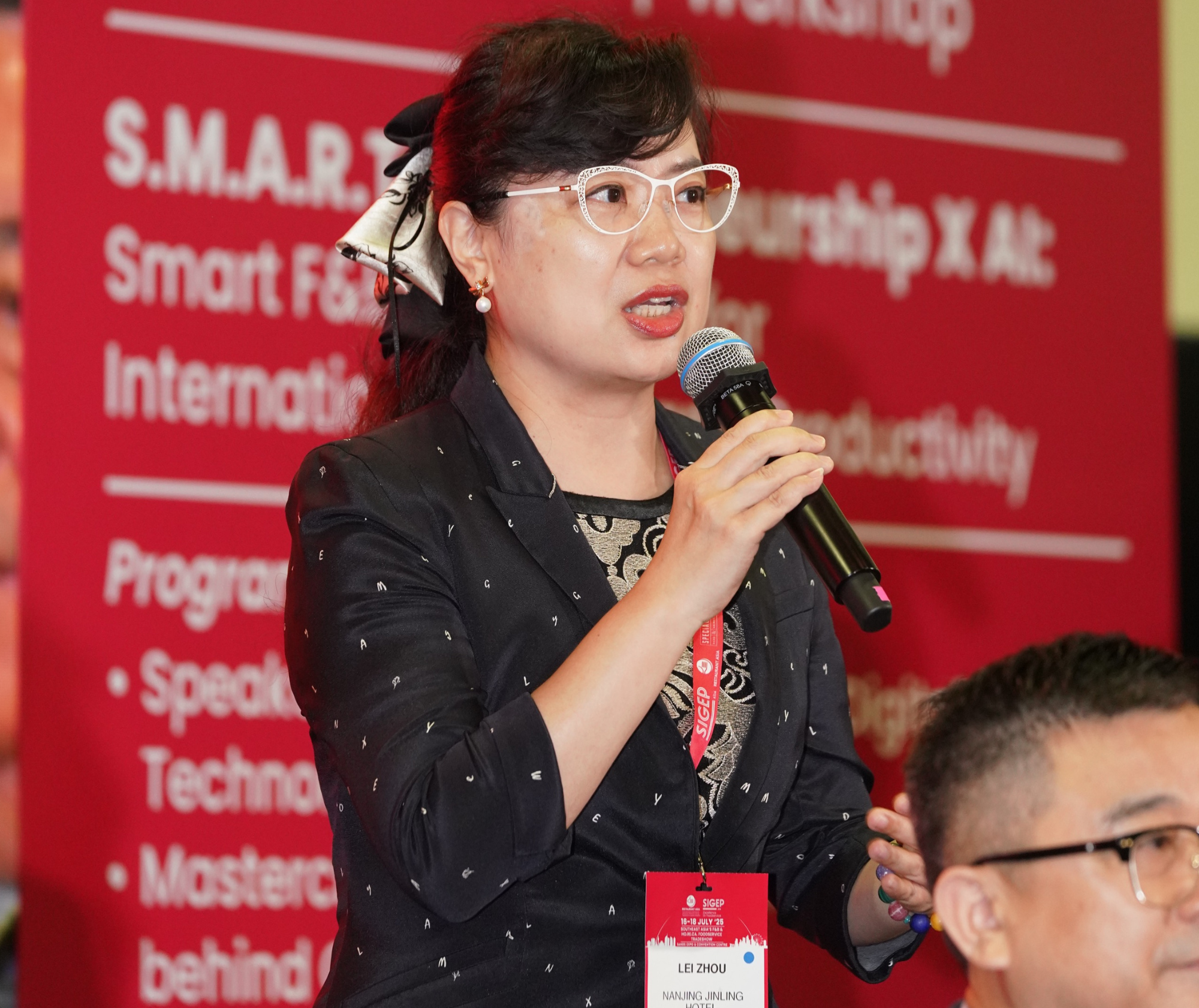
- Zhou Lei – General Manager, Jinling Hotel Nanjing
- Xiang Jiamei – Senior Reviewer, China National Brand Hotel Evaluation Committee
- Jing Yi Qin – Executive Secretary-General, Dongguan Foreign Trade Enterprises Association
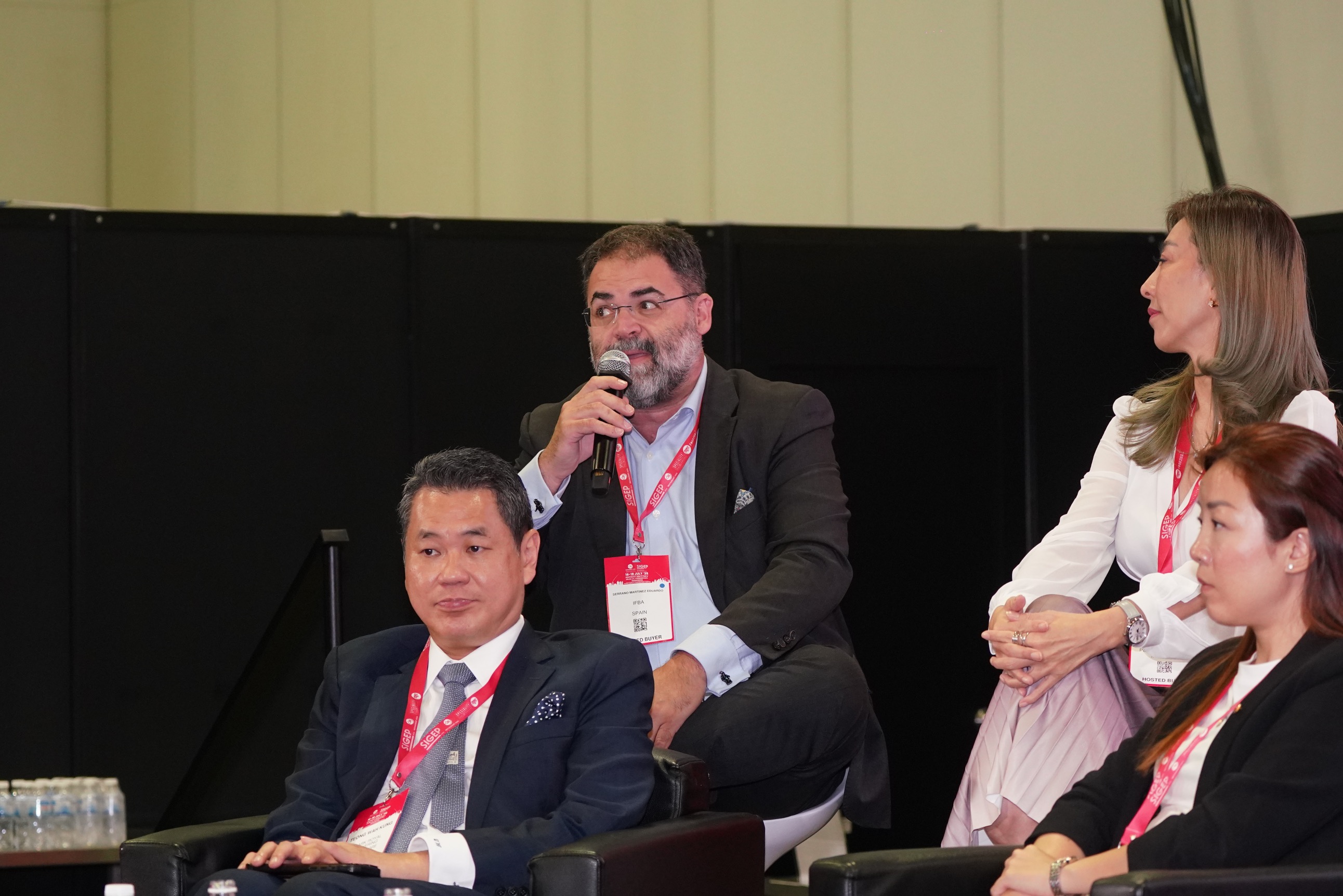
International/ASEAN Delegates
- Adelina Barphe – Vice President, IFBA Americas
- Eduardo Serrano – Executive President, AIDABE
- Hisham Abdullah Tan – President MFBEA Malaysia
- Kung Teong Wah – Vice President FBMA Singapore
- Madeline Lai – President, Hospitality Purchasing Association Singapore
- Damian Tan – President, ARDE Singapore
The Future of Hospitality & Ethnic Tourism in Asia-Pacific
1. International Cooperation in the Ethnic Cultural Tourism Industry (Belt and Road)
🔺Theme: Opportunities, Alignment & Cross-Border Development under the Belt and Road Initiative
The first half of the forum focused on the role of cultural tourism within Belt-and-Road countries and the growing importance of shared heritage offerings.
Panelists discussed the current landscape of ethnic cultural tourism across Belt and Road partner countries, noting how cultural assets, heritage sites, and ethnic traditions are playing a growing role in regional tourism planning. Policy environments across participating countries were also acknowledged as important factors influencing cooperation, investment, and programme development.
The session emphasised the importance of developing tourism products that combine cultural characteristics with practical visitor engagement. Attention was given to the alignment of tourism bodies, hotel associations, and cultural institutions to strengthen standards and support sustainable growth.
“Speakers noted that successful international cooperation requires clarity, shared expectations, and strategies that address cultural differences within cross-border collaboration.”
Shared Priorities for Sustainable Cultural Tourism Development
This part of the forum reinforced the role of cultural tourism as a bridge between countries; concluding that sustainable cultural tourism depends on clear policies, consistent cooperation, and product development frameworks that serve the needs of international markets.
Key takeaways on Cultural Tourism Cooperation:
° Increasing relevance of cultural tourism within Belt and Road cooperation
° Importance of accurate and accessible cultural representation
° Influence of national and regional policy environments on project development
° Need to integrate cultural characteristics into well-structured tourism products
° Value of cooperation frameworks supported by associations and institutions
° Importance of addressing cultural differences in international collaborations
“Belt and Road cooperation shows that successful cultural tourism requires clear heritage and dependable international collaboration.”
Growth, Innovation & International Expansion
2. New Exploration of Overseas Development for Ethnic Hotel Brands
🔺Theme: Strategic Growth, Brand Identity & International Competitiveness
Panelists reviewed the growing interest among ethnic hotel brands in expanding into international markets. The session highlighted key considerations such as maintaining brand identity, adapting to local market expectations, and establishing service standards that support consistency across borders. Delegates noted that overseas development requires stable operational frameworks, clear positioning, and a balanced approach that preserves cultural character while meeting global hospitality requirements.
The discussion also covered competitive pressures in international markets. Speakers examined how ethnic hotel brands can differentiate themselves through cultural authenticity, service quality, and defined brand narratives. Market readiness, regulatory compliance, and staff training were identified as critical components of overseas strategy. These areas continue to shape planning among hotel groups preparing for international expansion.
“Sustaining cultural identity abroad depends on having the systems and standards that allow the brand to operate reliably across different environments.”
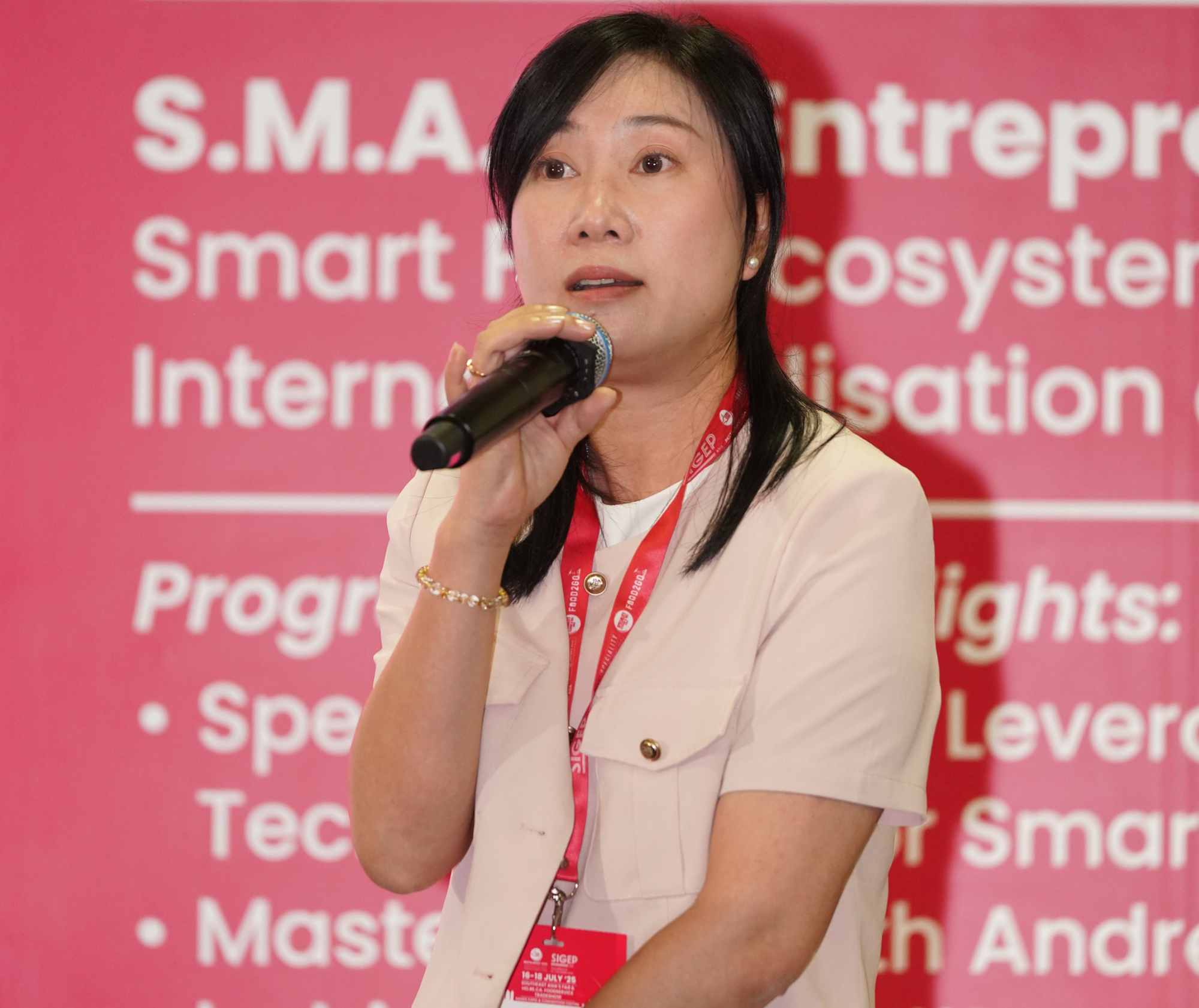
Overseas Development of Chinese Ethnic Brand Hotels
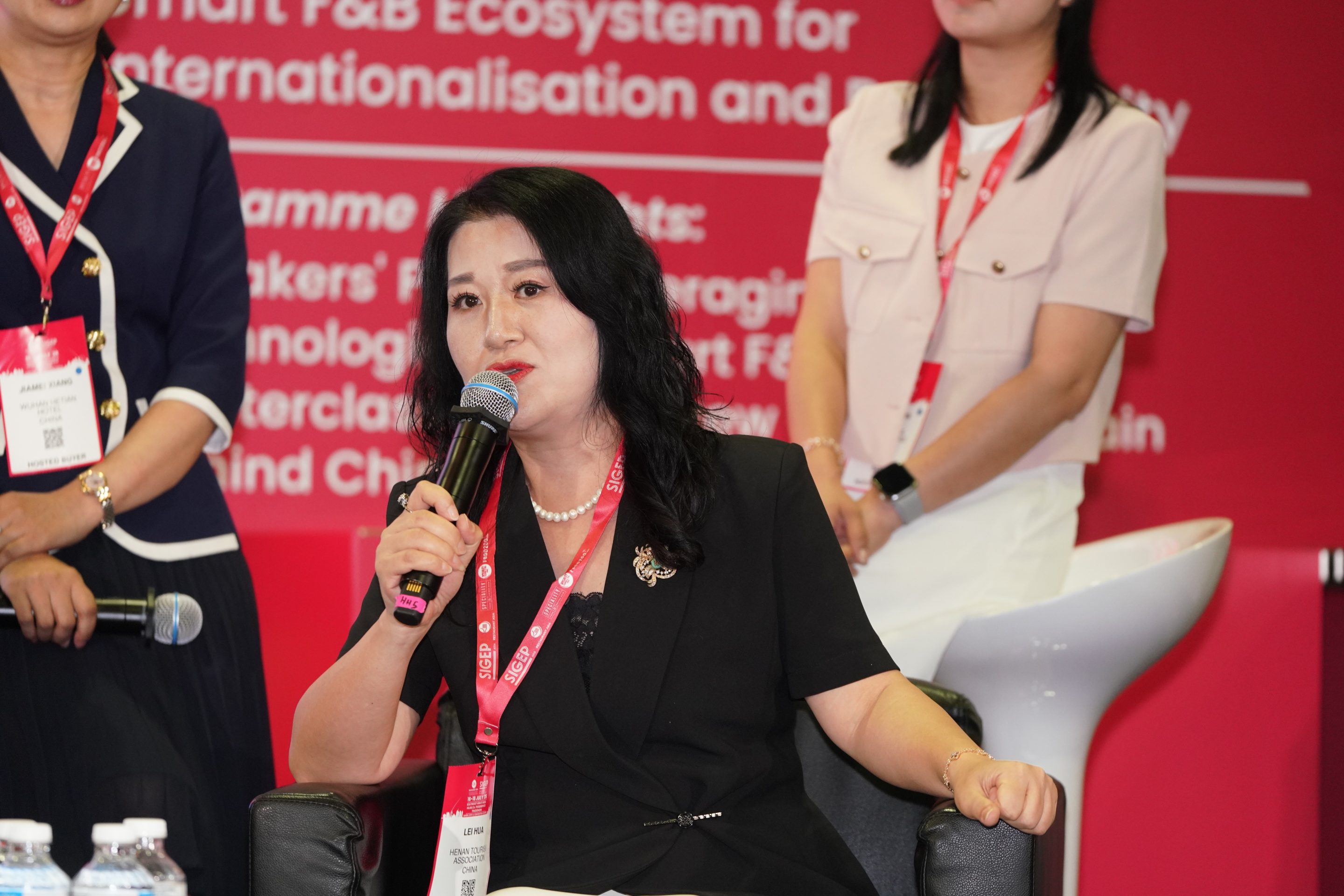
International and ASEAN Perspectives
They noted that in many destinations, travellers are increasingly seeking experiences that give them a clearer sense of place and cultural depth, and that Chinese ethnic hotel concepts, with their emphasis on heritage, rituals, and storytelling, can contribute meaningfully to this trend even outside mainland China. Delegates explained that the value of these cultural elements is not limited to the hotel environment; they influence how itineraries are designed, how destinations communicate identity, and how regional tourism programmes incorporate cross-cultural experiences.
There was also agreement that the visibility of Chinese cultural themes — when presented coherently — can complement wider ethnic tourism routes in Asia, encourage multi-stop travel, and strengthen cultural exchange between destinations. Adelina also highlighted that well-defined travel itineraries and clear entry requirements can strengthen tourism flows, particularly when supported by bilateral agreements and coordinated airline routes. Coordinated planning between destinations, airlines, and hospitality providers therefore plays a central role in boosting visitors and enabling travellers to move more confidently across culturally linked routes.
“Sustaining cultural identity abroad depends on having the systems and standards that allow the brand to operate reliably across different environments.”
Strategic Priorities for Entering International Markets
The forum concluded the practical requirements for taking ethnic hotel brands into international markets. Speakers noted that long-term success relies on a clear understanding of the brand’s identity and the operational systems that support it. Attention was also given to regulatory preparedness, consistent service delivery, and the ability to interpret cultural identity in ways that are both accurate and workable in new market environments. These considerations guided the discussion toward the key points outlined below.
Summary of Key Considerations for International Expansion:
° Growing interest in overseas expansion for ethnic hotel brands
° Need to balance cultural authenticity with local market expectations
° Importance of clear positioning and consistent service standards
° Relevance of regulatory compliance and operational readiness
° Competitive advantages derived from cultural identity and heritage elements
° Role of structured training in supporting international operations
“Ethnic hotel brands can succeed internationally when cultural identity is matched with clear standards, strong positioning, and operational consistency.”
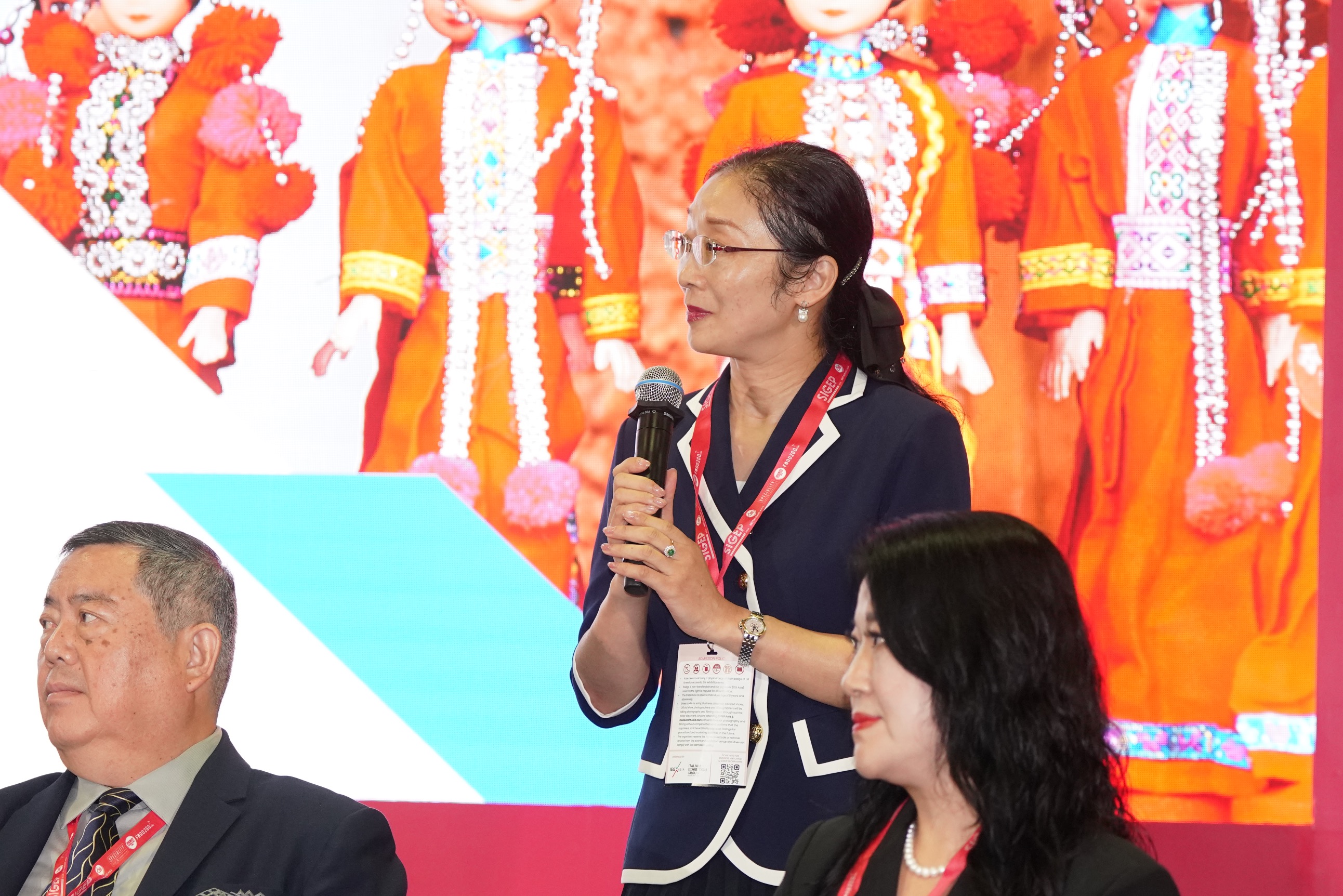
“Cultural tourism has the strongest impact when heritage is presented clearly and supported by travel routes that connect destinations. As China–ASEAN pathways expand and multi-country itineraries grow, the way ethnic culture is interpreted and delivered must align with what international travellers understand and expect.”
Shared Insights Shaping the Path Forward
Combined Impact
The two IFBA forums, taken together, offered a comprehensive view of how the region’s hospitality landscape is evolving. Their discussions linked consumer trends, workforce needs, cultural tourism, hotel development, and policy considerations in a way that reflected the complexity of today’s market. The exchanges also revealed a growing willingness among institutions, associations, and operators to align their efforts and explore joint initiatives.
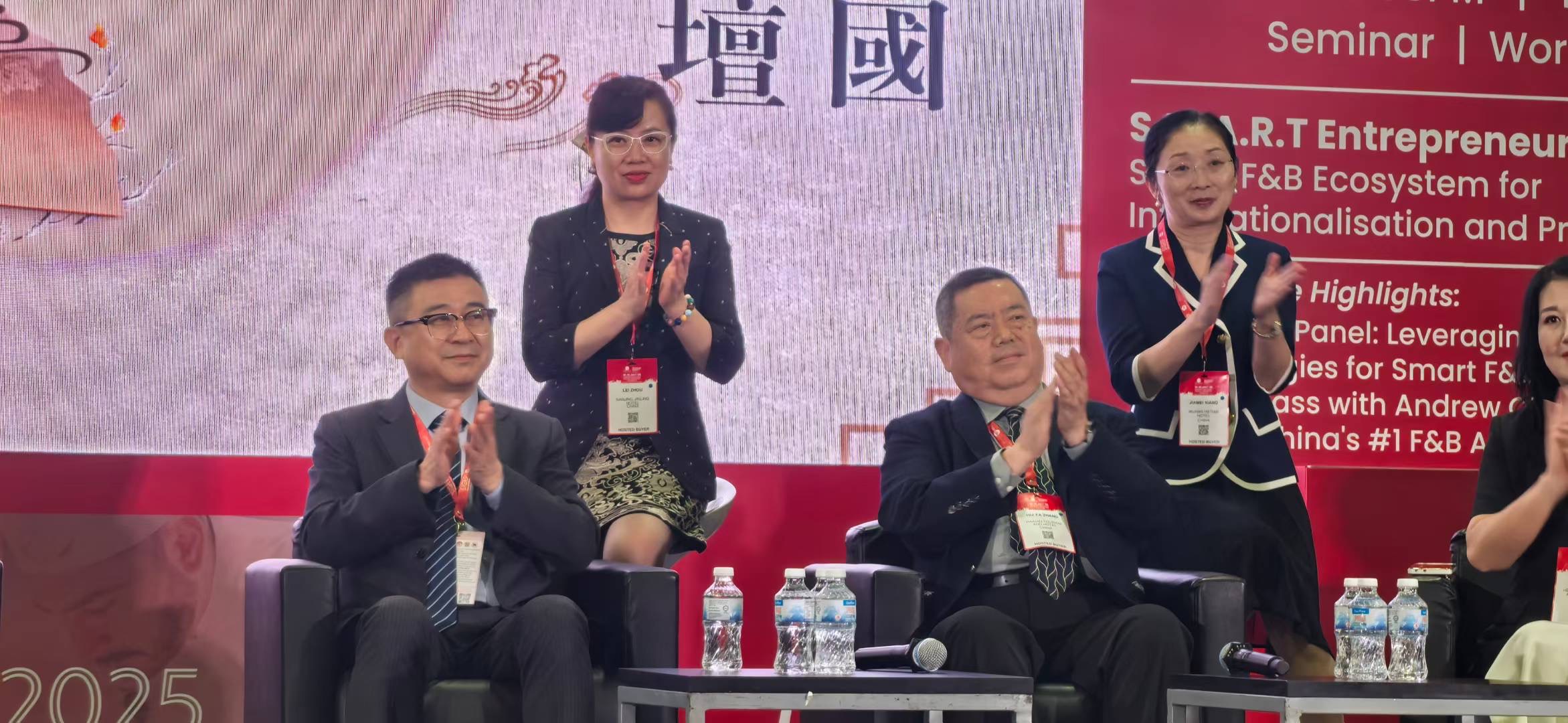
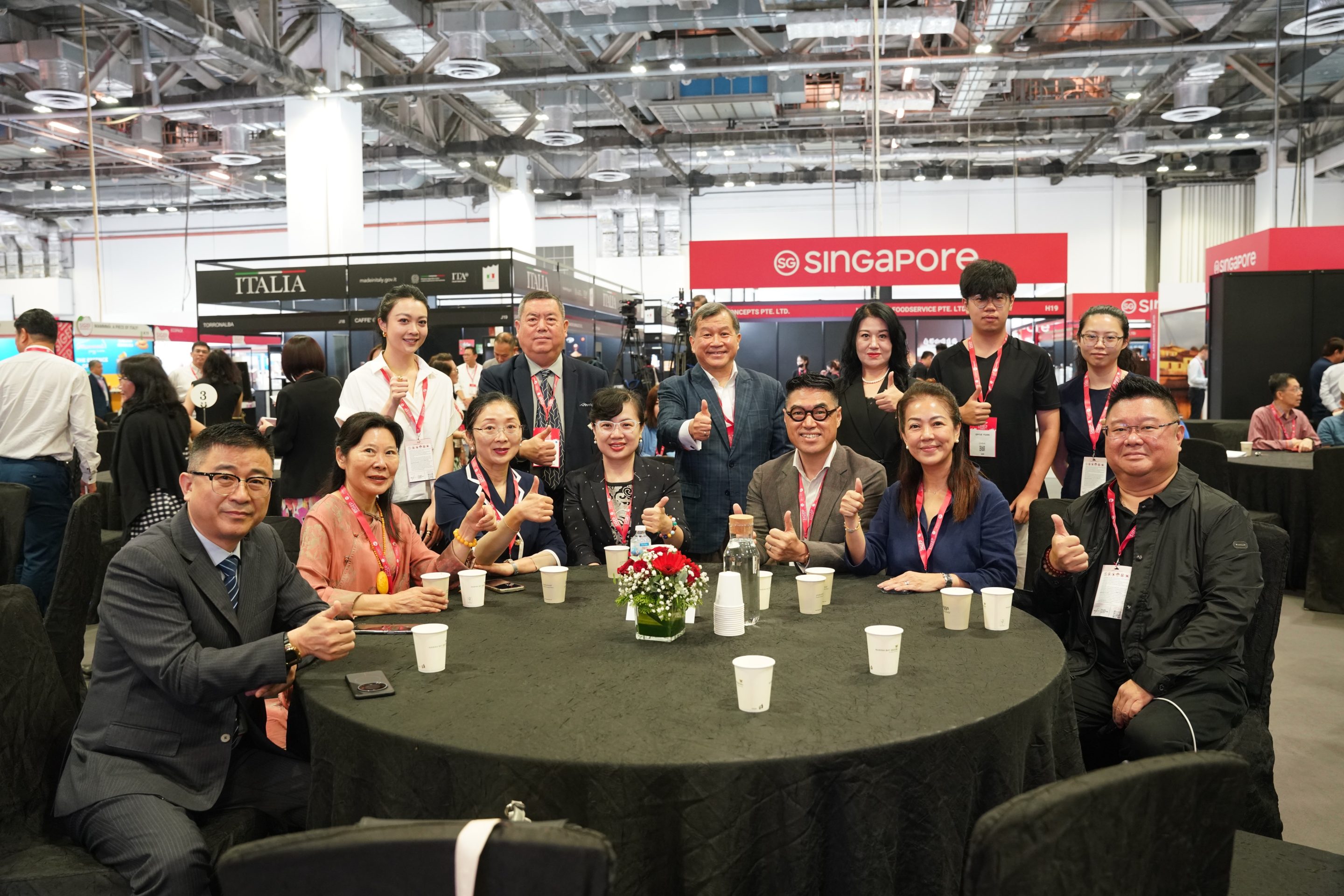
The level of engagement across the two forums reflected a community becoming more confident and more aligned in its approach to hospitality development. The participation from institutional, association, and industry representatives showed a willingness to exchange practical experiences, understand one another’s constraints, and approach common priorities with a clearer sense of direction. The tone was constructive and grounded, with delegates focused not only on identifying challenges but also on clarifying the steps that could support progress across borders.
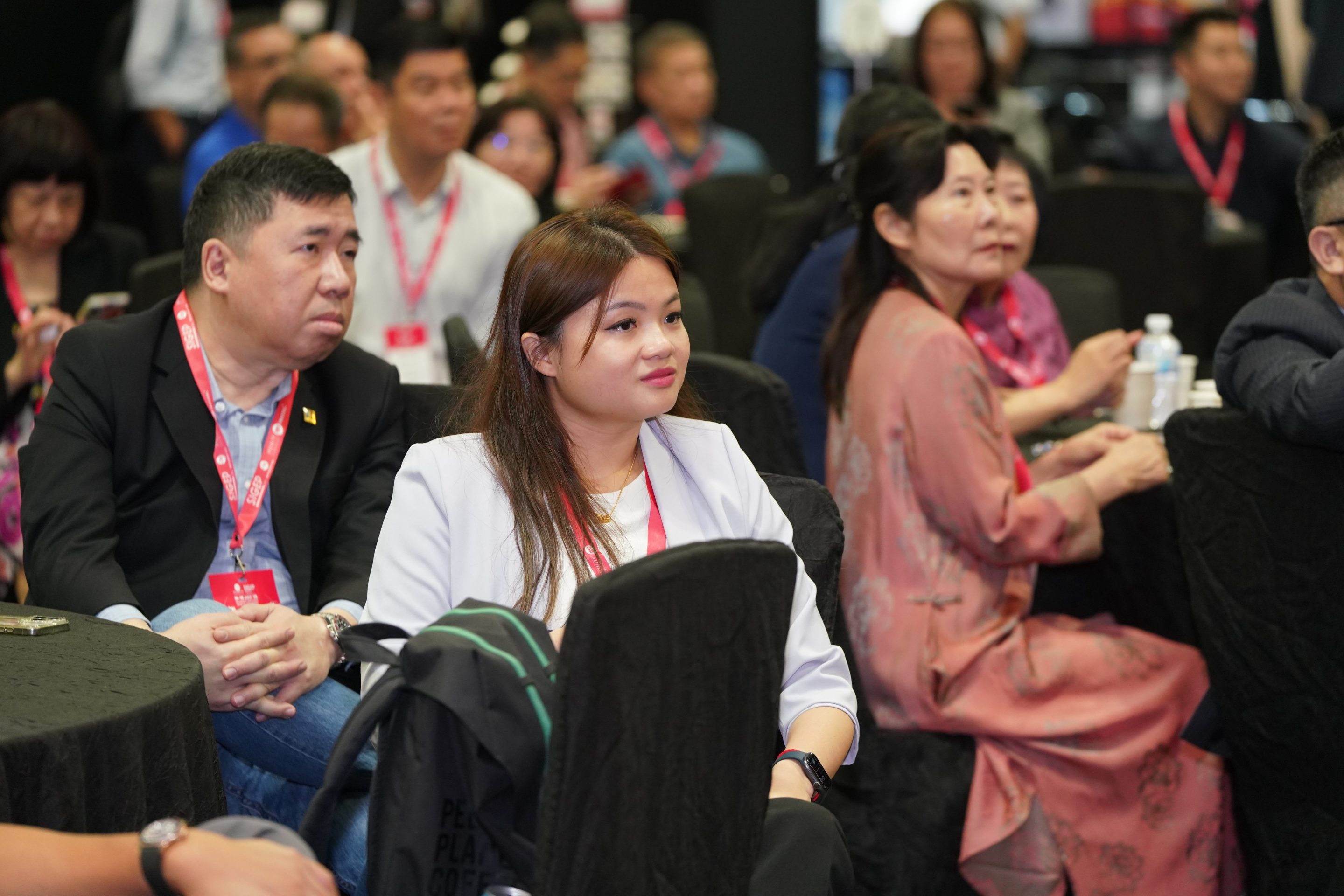
The exchanges also revealed a growing willingness among institutions, associations, and operators to align their efforts and explore joint initiatives, signalling a shift toward more consistent and practical collaboration. This momentum points to a regional industry that is not only engaging—but preparing itself to work together with greater confidence.
Key outcomes included:
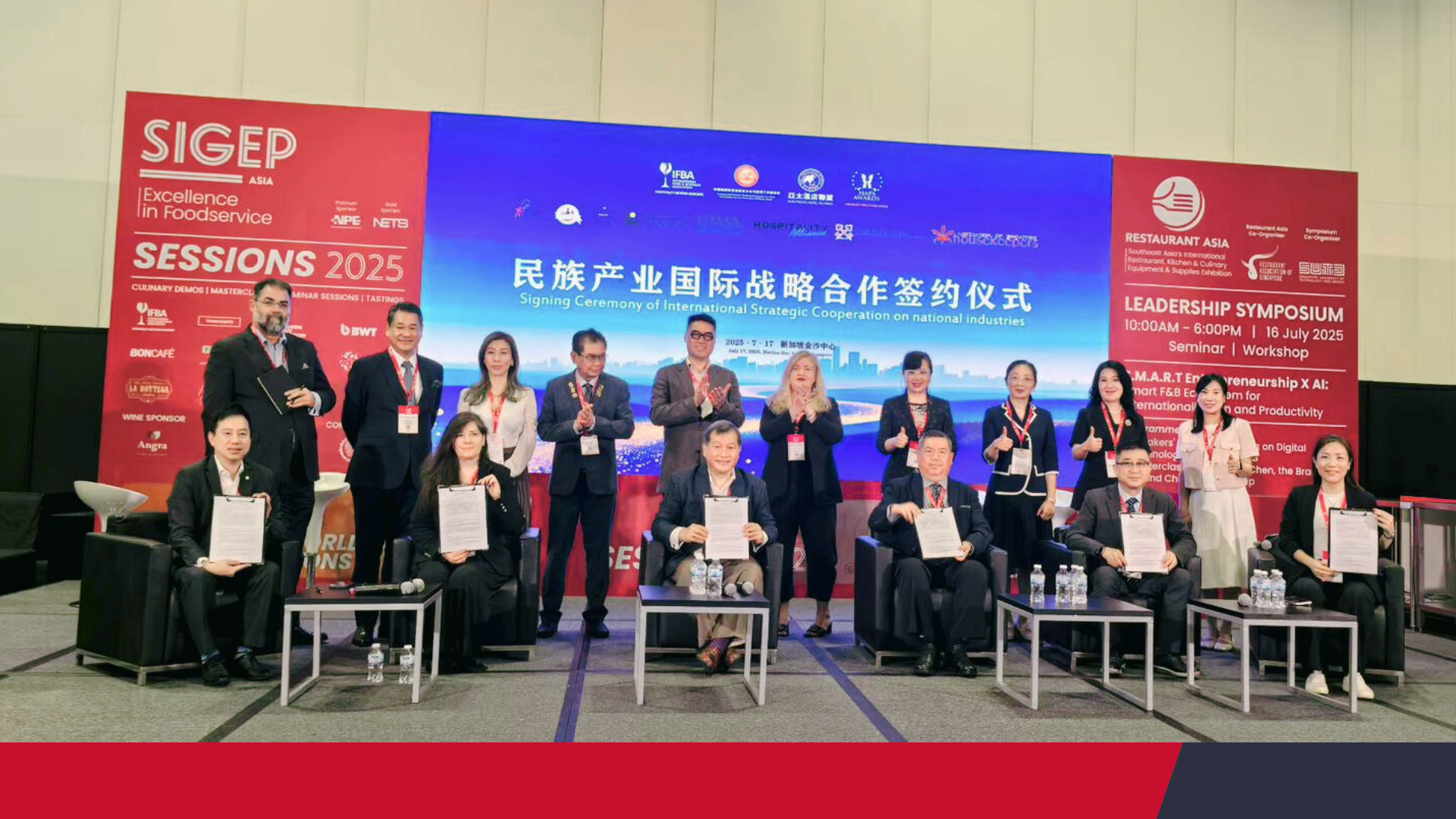
° Stronger ties between China’s cultural tourism bodies and ASEAN hospitality leaders
° Shared priorities around sustainability, workforce training, and digital transformation
° New avenues for ethnic hotel brand development across Belt-and-Road markets
° Renewed alignment among IFBA country chapters and partner associations
° A strengthened platform for IFBA thought leadership moving into 2026 and beyond
Hai Poh Cheong summarized this direction noting:
“Year after year, we see how consistent dialogue brings our region closer. This growing alignment is what will shape the next chapter of hospitality in Asia and strengthen our connections with the wider global industry.”
Strengthening Regional Momentum Through IFBA’s Leadership
The momentum of the two forums and the progress made was also aligned with the broader developments across IFBA’s regional network.
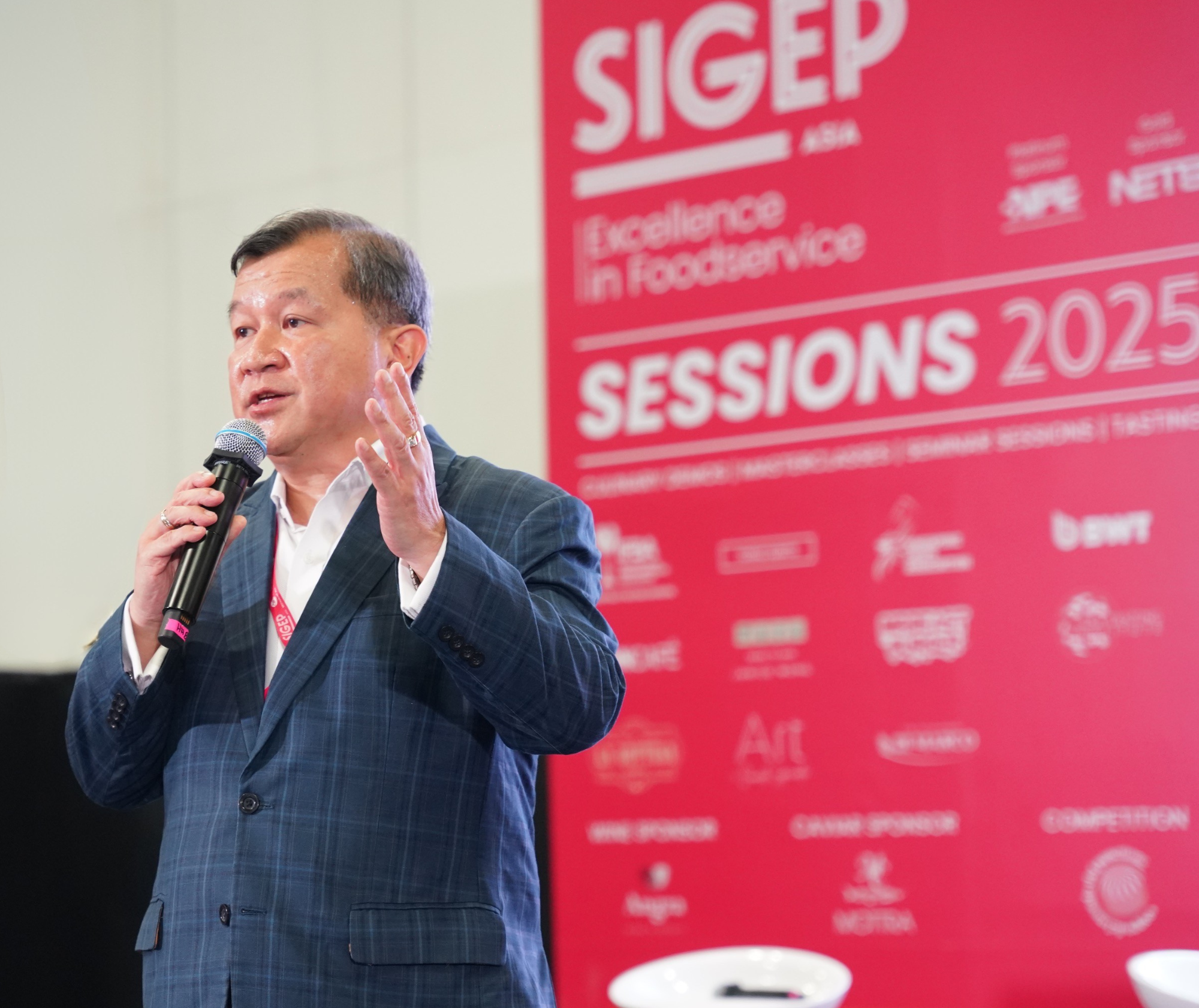
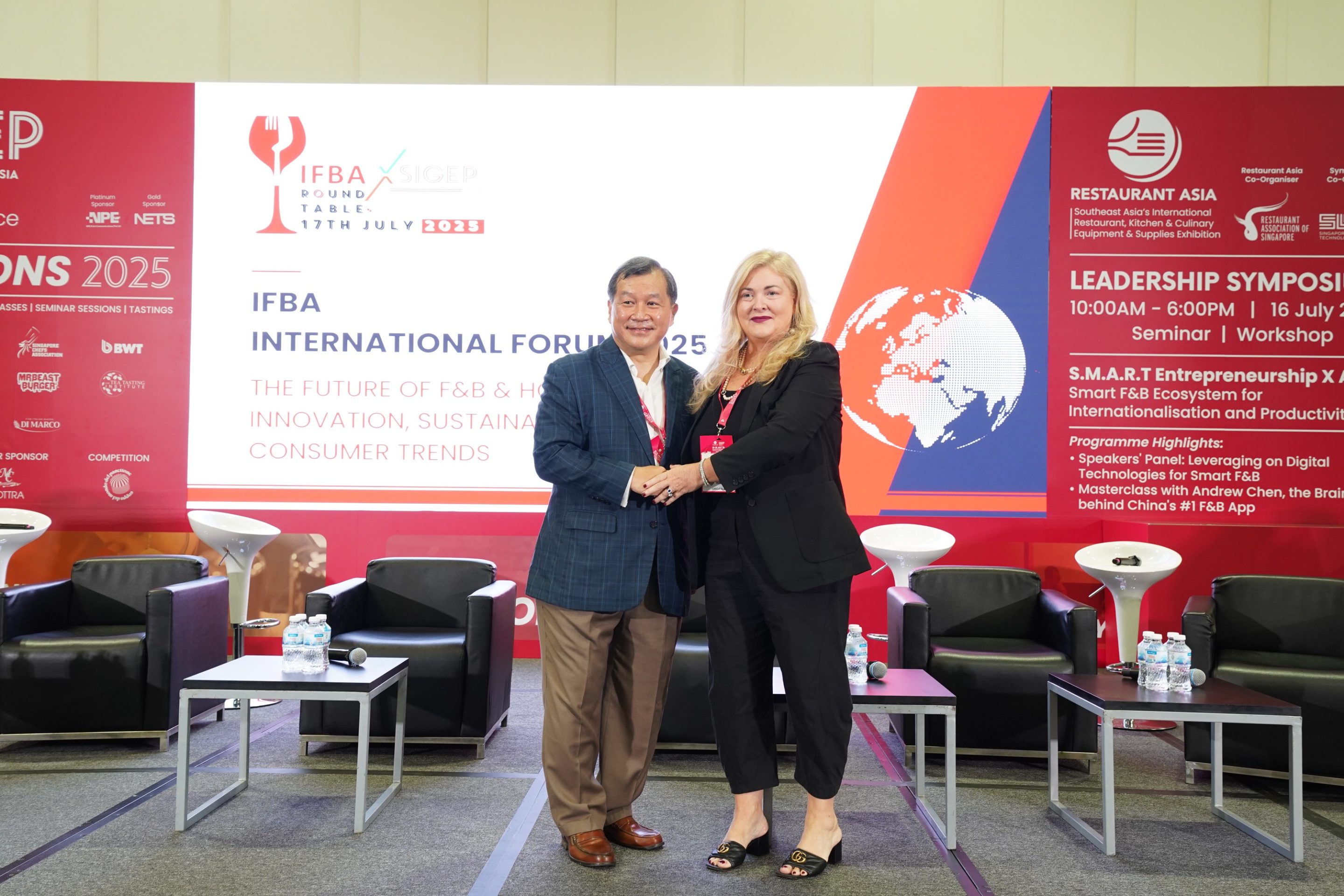
As IFBA President Hai Poh Cheong noted, the strong turnout and the quality of discussion reflected “the strength of our shared vision and growing regional synergy.”
Several developments reinforced this direction, including new member engagement from Vietnam, renewed collaboration with Cambodia, and active re-engagement with partners in Singapore and China. Business development initiatives in Johor Bahru also advanced during the week, underscoring the value of cross-border cooperation.
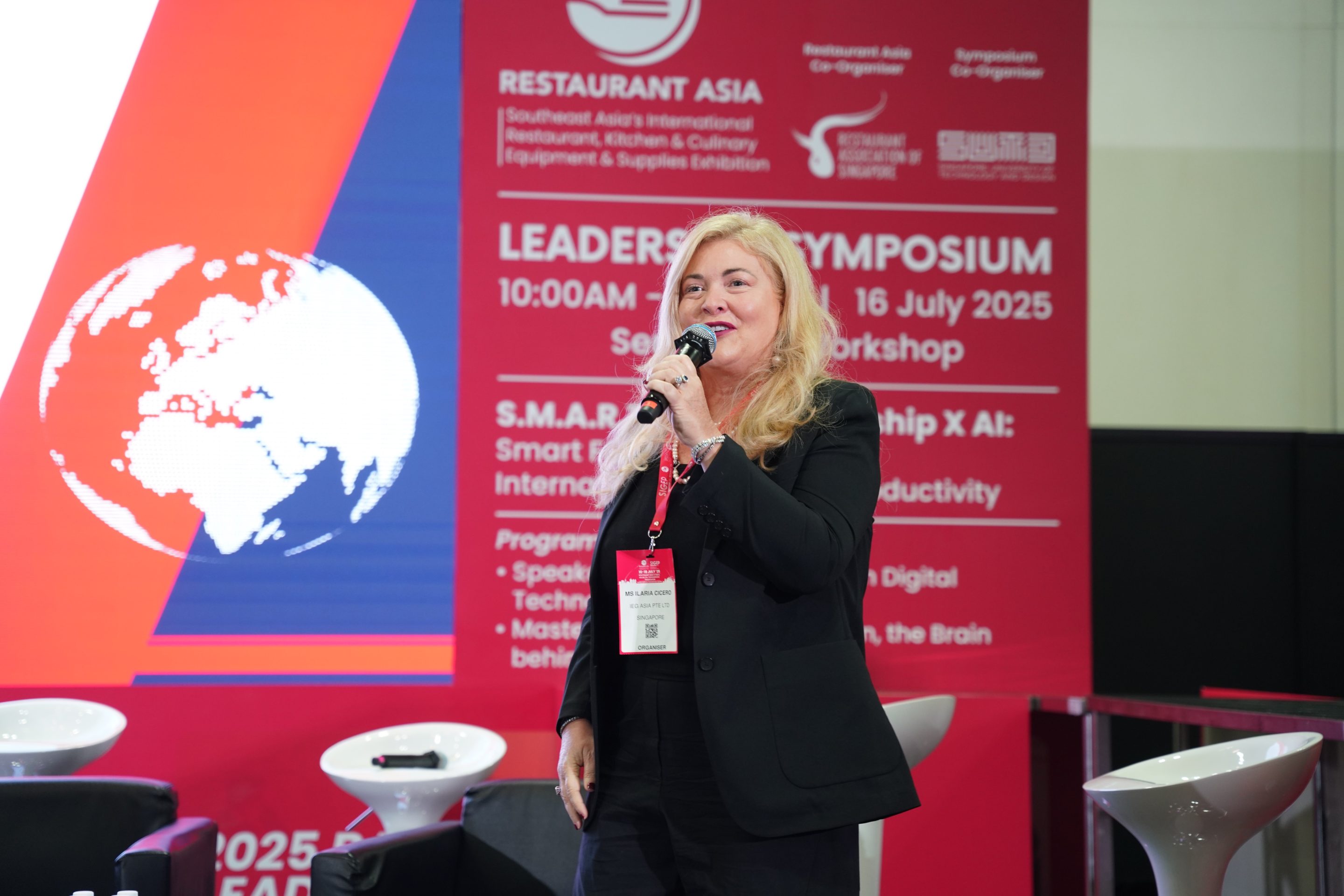
Hai Poh also highlighted the contribution of SIGEP’s leadership, acknowledging CEO of IEG Asia, Dr Ilaria Cicero and her team for providing “renewed energy and direction to our regional initiatives.”
He also pointed to the early momentum behind expanding the China Pavilion in 2026, describing it as “a promising opportunity to enhance our presence and impact across the region.”
“Together, we are laying the foundation for a stronger and more connected regional network.”
— Hai Poh Cheong, IFBA President
Epilogue: Setting the Stage for 2026
SIGEP Asia has evolved into a boutique powerhouse —a key regional meeting point for suppliers, innovators, hotel groups, distributors, educators, and associations.
Within this wider setting, the IFBA forums brought a level of structured thought leadership that complemented the exhibition floor. The sessions offered future-focused insights, cross-border perspectives, and clear association-driven collaboration opportunities.
Across the sessions, speakers highlighted the increasing importance of coordinated efforts across countries and associations, capturing the tone of the event:
Collaboration is becoming a competitive advantage.
The insights and partnerships formed during the forums are already shaping planning for SIGEP Asia 2026. The 2025 edition showed that hospitality and tourism in the region are moving into a period where coordinated action and shared expertise matter more than ever. IFBA’s ability to bring together associations, institutions, and industry leaders has become an essential part of this progress, and that role will remain central as preparations begin for the next edition.
⇥ Read IFBA Inside: Singapore Hotel Visit Programme 2025. A Behind-the-Scenes Journey Through Singapore’s Leading Hotels” for an inside look at the strategic visits, operational insights, and on-site discussions that took place during our hospitality study tour.
📌
Stay tuned for updates on SIGEP Asia 2026 and IFBA’s continued engagement across the region. Upcoming announcements will include new initiatives, expanded collaborations, and further opportunities for members to participate in next year’s programme. As always, IFBA will share developments as they take shape, and we look forward to continuing the work alongside everyone involved.